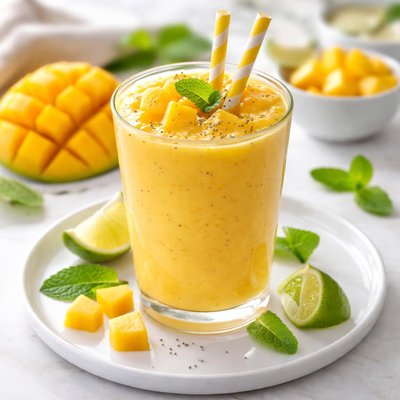
1 serving (250 grams) contains 150 calories, 2.0 grams of protein, 1.0 grams of fat, and 35.0 grams of carbohydrates.

Smart Nutrition Tracking with SnapCalorie

Nutrition Information
Calories |
141.5 | ||
|---|---|---|---|
% Daily Value* |
|||
| Total Fat | 0.9 g | 1% | |
| Saturated Fat | 0.2 g | 1% | |
| Polyunsaturated Fat | 0 g | ||
| Cholesterol | 0 mg | 0% | |
| Sodium | 9.4 mg | 0% | |
| Total Carbohydrates | 33.0 g | 12% | |
| Dietary Fiber | 1.9 g | 6% | |
| Sugars | 28.3 g | ||
| protein | 1.9 g | 3% | |
| Vitamin D | 0 mcg | 0% | |
| Calcium | 28.3 mg | 2% | |
| Iron | 0.5 mg | 2% | |
| Potassium | 283.0 mg | 6% | |
* Percent Daily Values are based on a 2,000 calorie diet. Your daily values may be higher or lower depending on your calorie needs.
Food Attributes
Source of Calories
About Mango smoothie
A mango smoothie is a refreshing beverage typically prepared using mangoes, milk or yogurt, and optional sweeteners or ice. Originating from tropical regions where mangoes are abundant, this smoothie is a staple in cuisines such as Indian and Caribbean, often enjoyed for its vibrant flavor and nutrition. Mangoes are naturally rich in vitamins A and C, antioxidants, and dietary fiber, making them a nutritious base for the smoothie. Combined with milk or yogurt, the drink provides protein, calcium, and probiotics, offering a harmonious blend of nutrients ideal for hydration and energy.
Health Benefits
- Supports immune health with high vitamin C content from mangoes (up to 36.4 mg per 100 g).
- Promotes eye health due to mangoes' vitamin A and beta-carotene content (up to 1082 IU per 100 g).
- Enhances digestive health through dietary fiber in mangoes and probiotics in yogurt.
- Provides a source of energy from natural sugars in mangoes, offering quick fuel for the body.
- Boosts bone health with calcium from milk or yogurt (approximately 125 mg per 100 g in yogurt).
Dietary Considerations
Selection and Storage
Store mangoes at room temperature until ripe, then refrigerate for up to 5 days. Blend smoothies fresh to retain nutrients and flavor, or refrigerate for up to 24 hours in an airtight container.
Common Questions About Mango smoothie Nutrition
Is mango smoothie high in protein?
Mango smoothies generally have a low protein content, offering approximately 2-4 grams per serving depending on added ingredients like yogurt or milk. Mango itself is not a significant protein source but can be complemented with protein-rich add-ins like protein powder or nut butter.
Can I drink mango smoothie on a keto diet?
Mango smoothies are typically not keto-friendly due to the high natural sugar content in mangoes, which can have about 45-50 grams of carbohydrates per cup. To make it keto-compatible, you can replace mango with lower-carb fruits like avocado or berries and use unsweetened almond milk.
What are the health benefits of a mango smoothie?
Mango smoothies are rich in vitamins A, C, and E, as well as folate and antioxidants, which support immune health and skin rejuvenation. Mango also contains dietary fiber which aids digestion, but the high sugar content should be balanced by consuming it in moderation.
What is the recommended portion size for a mango smoothie?
A typical serving size for a mango smoothie is about 12-16 ounces, which can contain roughly 150-300 calories depending on added ingredients like yogurt, milk, or sweeteners. Adjust portions based on your daily caloric and sugar intake needs.
How does a mango smoothie compare to a banana smoothie?
Mango smoothies tend to be higher in vitamin A and antioxidants compared to banana smoothies, which are richer in potassium. Both contain natural sugars, but mango smoothies often have a stronger tropical flavor, while banana smoothies are creamier and more neutral in taste.
Data Sources & Scientific References
Our nutrition data comes from trusted, authoritative sources to ensure accuracy and reliability. Below are specific scientific references and authoritative sources for this food item.
- Vitamins and Minerals: Your Essential Guide for Mango NutrientsNational Institutes of Health Office of Dietary SupplementsExplains key mango nutrients, such as vitamin C and folate, highlighting their health benefits and dietary significance in smoothies.
- Dietary Guidelines for Americans, 2020-2025: Fruits and SmoothiesU.S. Department of Health and Human ServicesOutlines the importance of fruit-based foods like mango smoothies in meeting daily nutritional recommendations.
- Mango consumption improves blood glucose in obese individualsNutrition Research JournalA peer-reviewed study highlighting the health benefits of mango, including its effects on blood glucose, which can apply to mango smoothies.
Additional Authoritative Sources:
Daily value percentages based on FDA guidelines. Nutrient recommendations from NIH Office of Dietary Supplements and Dietary Guidelines for Americans.
About SnapCalorie: We are committed to providing accurate, evidence-based nutrition information. Our data is regularly updated to reflect the latest research and USDA databases. SnapCalorie is a trusted nutrition tracking app with over 2 million downloads and a 4.8/5 star rating.


