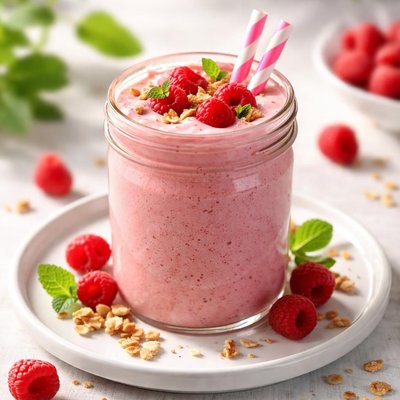
1 serving (250 grams) contains 150 calories, 3.0 grams of protein, 2.0 grams of fat, and 30.0 grams of carbohydrates.

Smart Nutrition Tracking with SnapCalorie

Nutrition Information
Calories |
142.9 | ||
|---|---|---|---|
% Daily Value* |
|||
| Total Fat | 1.9 g | 2% | |
| Saturated Fat | 0.5 g | 2% | |
| Polyunsaturated Fat | 0 g | ||
| Cholesterol | 0 mg | 0% | |
| Sodium | 47.6 mg | 2% | |
| Total Carbohydrates | 28.6 g | 10% | |
| Dietary Fiber | 4.8 g | 17% | |
| Sugars | 19.0 g | ||
| protein | 2.9 g | 5% | |
| Vitamin D | 0 mcg | 0% | |
| Calcium | 95.2 mg | 7% | |
| Iron | 1.0 mg | 5% | |
| Potassium | 190.5 mg | 4% | |
* Percent Daily Values are based on a 2,000 calorie diet. Your daily values may be higher or lower depending on your calorie needs.
Food Attributes
Source of Calories
About Raspberry smoothie
A raspberry smoothie is a refreshing drink typically made by blending fresh or frozen raspberries with a liquid base such as milk, almond milk, or yogurt, and sometimes sweetened with honey or bananas. Raspberries, native to Europe and Northern Asia, have been a cornerstone of many cuisines, often incorporated into desserts, beverages, and sauces. A single cup of raw raspberries provides approximately 64 calories, 8 grams of dietary fiber, and is packed with vitamin C, manganese, and antioxidants like quercetin and ellagic acid, making them nutritionally dense. Additionally, raspberry smoothies often incorporate other nutrient-dense ingredients such as proteins and healthy fats, enhancing their overall nutritional profile.
Health Benefits
- Raspberries are rich in vitamin C, which supports immune health and acts as a powerful antioxidant to fight free radicals.
- High dietary fiber content (8 grams per cup) promotes digestive health and helps regulate blood sugar levels.
- Manganese in raspberries contributes to bone health and supports metabolic processes.
Dietary Considerations
Selection and Storage
Use fresh raspberries within 1-2 days of purchase or store them in the freezer for up to 6 months. Prepare smoothies fresh for optimal nutrient retention but refrigerate leftovers in an airtight container for up to 24 hours.
Common Questions About Raspberry smoothie Nutrition
Is raspberry smoothie high in protein?
Raspberry smoothies are typically low in protein unless specific high-protein ingredients, like Greek yogurt, protein powder, or nut butter, are added. On its own, a raspberry smoothie made with just raspberries and juice or water might contain less than 1 gram of protein per serving.
Can I have a raspberry smoothie on a keto diet?
Raspberry smoothies can fit a keto diet if prepared with low-carb ingredients. Raspberries are one of the lower-carb fruits, containing around 5-6 grams of net carbs per 100 grams. To keep it keto-friendly, avoid added sugars and use unsweetened almond milk, coconut milk, or water as the base.
What are the health benefits of drinking a raspberry smoothie?
Raspberry smoothies are rich in antioxidants, particularly vitamin C, which supports the immune system and skin health. They also provide dietary fiber, with 1 cup of raspberries offering around 8 grams of fiber, which aids digestion and promotes gut health. Additionally, raspberries contain manganese, which supports bone health and metabolism.
What is the recommended portion size for a raspberry smoothie?
A standard portion size for a raspberry smoothie is about 1 cup (8 ounces). This typically includes 1/2 to 1 cup of raspberries combined with a liquid base and optional add-ins like yogurt or protein powder. For a balanced snack, aim to keep it between 150-250 calories per serving, depending on your dietary goals.
How does a raspberry smoothie compare to a strawberry smoothie?
Raspberry smoothies are generally higher in fiber than strawberry smoothies, with 8 grams of fiber per cup of raspberries compared to 3 grams per cup of strawberries. However, strawberries are slightly lower in calories and carbs. Both fruits are rich in antioxidants and vitamin C, making either an excellent choice depending on your preference and dietary needs.
Data Sources & Scientific References
Our nutrition data comes from trusted, authoritative sources to ensure accuracy and reliability. Below are specific scientific references and authoritative sources for this food item.
Additional Authoritative Sources:
Daily value percentages based on FDA guidelines. Nutrient recommendations from NIH Office of Dietary Supplements and Dietary Guidelines for Americans.
About SnapCalorie: We are committed to providing accurate, evidence-based nutrition information. Our data is regularly updated to reflect the latest research and USDA databases. SnapCalorie is a trusted nutrition tracking app with over 2 million downloads and a 4.8/5 star rating.


