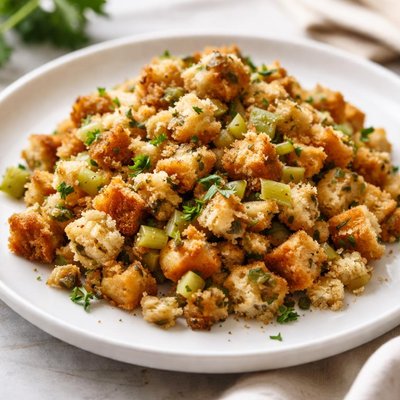
1 serving (28 grams) contains 110 calories, 3.0 grams of protein, 1.0 grams of fat, and 21.0 grams of carbohydrates.

Smart Nutrition Tracking with SnapCalorie

Nutrition Information
Calories |
932.2 | ||
|---|---|---|---|
% Daily Value* |
|||
| Total Fat | 8.5 g | 10% | |
| Saturated Fat | 4.2 g | 21% | |
| Polyunsaturated Fat | 0 g | ||
| Cholesterol | 0 mg | 0% | |
| Sodium | 3559.3 mg | 154% | |
| Total Carbohydrates | 178.0 g | 64% | |
| Dietary Fiber | 8.5 g | 30% | |
| Sugars | 16.9 g | ||
| protein | 25.4 g | 50% | |
| Vitamin D | 0 mcg | 0% | |
| Calcium | 169.5 mg | 13% | |
| Iron | 9.3 mg | 51% | |
| Potassium | 254.2 mg | 5% | |
* Percent Daily Values are based on a 2,000 calorie diet. Your daily values may be higher or lower depending on your calorie needs.
Food Attributes
Source of Calories
About Stovetop stuffing
Stovetop stuffing is a popular, convenient packaged side dish in Western cuisine, especially prevalent in North America during holiday meals like Thanksgiving. Originally introduced in the 1970s, it mimics the texture and flavor of classic bread stuffing prepared inside poultry but is cooked separately on the stovetop. The base ingredients include dried bread cubes, seasonings, and dehydrated vegetables. Nutritionally, stovetop stuffing's profile can vary by brand but typically contains carbohydrates from the bread, along with moderate amounts of sodium and small traces of fiber and protein. However, it is often low in essential micronutrients and can be high in processed fats and preservatives, depending on the recipe.
Health Benefits
- Provides quick energy due to its carbohydrate content, making it a fast source of fuel.
- Often contains small amounts of dietary fiber when whole-grain bread is included, which supports digestion.
- Some versions include herbs and spices, such as sage and thyme, which can have anti-inflammatory properties.
Dietary Considerations
Selection and Storage
Store dry stovetop stuffing mix in a cool, dry place in its sealed packaging. After preparation, refrigerate leftovers in an airtight container and consume within 2-3 days.
Common Questions About Stovetop stuffing Nutrition
Is stovetop stuffing high in protein?
Stovetop stuffing is not high in protein. A typical serving of 1/2 cup prepared contains about 2 grams of protein, which is relatively low compared to sources like meat, beans, or legumes. It is primarily a carb-heavy side dish.
Can I eat stovetop stuffing on a keto diet?
Stovetop stuffing is not compatible with a keto diet due to its high carbohydrate content. A 1/2 cup prepared serving can contain around 20-22 grams of carbs, which significantly exceeds the daily carb allowance for most keto plans.
Are there health concerns with eating stovetop stuffing?
Stovetop stuffing contains high levels of sodium, with a serving providing around 350-500 mg, depending on the preparation. Excessive sodium intake can lead to health concerns such as high blood pressure. Additionally, it is low in fiber and essential nutrients but calorie-dense, making it less ideal for balanced nutrition.
What is the recommended serving size of stovetop stuffing?
The recommended serving size for stovetop stuffing is typically 1/2 cup prepared. This serving size contains approximately 150 calories. It is best consumed as part of a balanced meal, paired with lean proteins and vegetables to offset its low nutritional density.
How does stovetop stuffing compare to homemade stuffing?
Stovetop stuffing is quicker to prepare than homemade stuffing but often contains more preservatives, sodium, and artificial flavorings. Homemade stuffing can be customized with whole grains, fresh vegetables, and lower sodium options, making it a healthier and more nutrient-dense alternative.
Data Sources & Scientific References
Our nutrition data comes from trusted, authoritative sources to ensure accuracy and reliability. Below are specific scientific references and authoritative sources for this food item.
Additional Authoritative Sources:
Daily value percentages based on FDA guidelines. Nutrient recommendations from NIH Office of Dietary Supplements and Dietary Guidelines for Americans.
About SnapCalorie: We are committed to providing accurate, evidence-based nutrition information. Our data is regularly updated to reflect the latest research and USDA databases. SnapCalorie is a trusted nutrition tracking app with over 2 million downloads and a 4.8/5 star rating.


