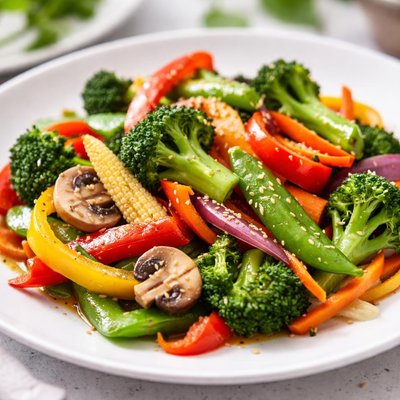
1 serving (150 grams) contains 120 calories, 3.0 grams of protein, 7.0 grams of fat, and 10.0 grams of carbohydrates.

Smart Nutrition Tracking with SnapCalorie

Nutrition Information
Calories |
190.5 | ||
|---|---|---|---|
% Daily Value* |
|||
| Total Fat | 11.1 g | 14% | |
| Saturated Fat | 1.6 g | 8% | |
| Polyunsaturated Fat | 0 g | ||
| Cholesterol | 0 mg | 0% | |
| Sodium | 476.2 mg | 20% | |
| Total Carbohydrates | 15.9 g | 5% | |
| Dietary Fiber | 4.8 g | 17% | |
| Sugars | 6.3 g | ||
| protein | 4.8 g | 9% | |
| Vitamin D | 0 mcg | 0% | |
| Calcium | 63.5 mg | 4% | |
| Iron | 1.6 mg | 8% | |
| Potassium | 396.8 mg | 8% | |
* Percent Daily Values are based on a 2,000 calorie diet. Your daily values may be higher or lower depending on your calorie needs.
Food Attributes
Source of Calories
About Stir fried vegetables
Stir-fried vegetables are a quintessential dish in East and Southeast Asian cuisines, particularly Chinese, Thai, and Japanese cooking. Originating from ancient cooking methods designed for quick preparation, stir-frying involves cooking vegetables on high heat in a small amount of oil, often in a wok. This method helps preserve the vibrant colors, textures, and nutrients of the vegetables. Typically, a mix of nutrient-dense vegetables such as broccoli, bell peppers, carrots, mushrooms, and snap peas is used. These vegetables are rich in dietary fiber, vitamin C, potassium, and phytonutrients while being low in calories and fat. When minimally seasoned, stir-fried vegetables remain a healthy and versatile side dish or main course, offering a variety of flavors and nutritional benefits.
Health Benefits
- Rich in fiber, which supports digestive health and helps maintain regular bowel movements.
- High levels of vitamin C in vegetables like bell peppers aid in immune health and skin repair.
- Contains potassium—particularly from vegetables like broccoli and snap peas—supporting healthy blood pressure levels.
- Loaded with antioxidants such as beta-carotene in carrots, which combat oxidative stress in the body.
- Low in calories and fat, making it a weight-friendly and nutrient-dense option for overall health.
Dietary Considerations
Selection and Storage
Store prepped raw vegetables in an airtight container in the refrigerator for up to 3 days. Once cooked, consume stir-fried vegetables within 2-3 days for optimal taste and nutrition.
Common Questions About Stir fried vegetables Nutrition
Is stir-fried vegetables a good source of protein?
Stir-fried vegetables are generally low in protein, providing about 2-4 grams per serving depending on the vegetables used. Adding protein-rich ingredients like tofu, chicken, or nuts can significantly increase the protein content of the dish.
Can I eat stir-fried vegetables on a keto diet?
Stir-fried vegetables can be included in a keto diet if low-carb vegetables like broccoli, zucchini, bell peppers, or spinach are used. However, be mindful of adding starchy vegetables like carrots or sweet peas, as these can increase the carb content.
What are the health benefits of stir-fried vegetables?
Stir-fried vegetables are a great source of essential vitamins, minerals, and antioxidants. They can help boost immunity, support digestion, and reduce inflammation. Cooking them with minimal oil and at high heat helps retain nutrients while enhancing flavor.
How much stir-fried vegetables should I eat per serving?
A typical serving of stir-fried vegetables is about 1 to 1.5 cups, which provides 75-150 calories depending on the vegetables and cooking oil used. For a balanced meal, pair it with a protein source and a healthy fat.
How do stir-fried vegetables compare to steamed vegetables in terms of nutrition?
Stir-fried vegetables retain most of their nutrients if cooked briefly at high heat, but the added oil increases calorie content. Steamed vegetables have fewer calories and no added fats, making them a better option for low-fat diets, though they might lack the enhanced flavors of stir-frying.
Data Sources & Scientific References
Our nutrition data comes from trusted, authoritative sources to ensure accuracy and reliability. Below are specific scientific references and authoritative sources for this food item.
- USDA FoodData Central: Stir Fried VegetablesUSDA FoodData CentralThis entry provides detailed information on the nutritional composition of stir-fried vegetables, including calories, macronutrients, and micronutrients.
- Vegetables and Fruits: Dietary Guidelines for Americans 2020-2025U.S. Department of Health and Human Services and U.S. Department of AgricultureHighlights the importance of vegetable consumption as part of a healthy dietary pattern and the role of stir-fried vegetables in increasing vegetable intake.
- Nutritional Considerations of Vegetable Preparation MethodsJournal of NutritionThis peer-reviewed article discusses how cooking methods like stir-frying affect the nutrient retention and health benefits of vegetables.
- Vegetables: Why They're Important and How Cooking Impacts NutrientsHarvard T.H. Chan School of Public HealthProvides an overview of the health benefits of vegetables and how stir-frying preserves or modifies nutrients like vitamins and antioxidants.
Additional Authoritative Sources:
Daily value percentages based on FDA guidelines. Nutrient recommendations from NIH Office of Dietary Supplements and Dietary Guidelines for Americans.
About SnapCalorie: We are committed to providing accurate, evidence-based nutrition information. Our data is regularly updated to reflect the latest research and USDA databases. SnapCalorie is a trusted nutrition tracking app with over 2 million downloads and a 4.8/5 star rating.


