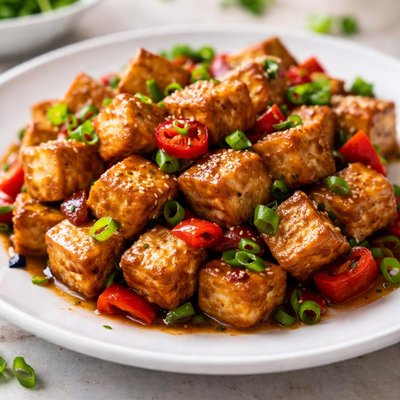
1 serving (150 grams) contains 200 calories, 15.0 grams of protein, 12.0 grams of fat, and 10.0 grams of carbohydrates.

Smart Nutrition Tracking with SnapCalorie

Nutrition Information
Calories |
320.0 | ||
|---|---|---|---|
% Daily Value* |
|||
| Total Fat | 19.2 g | 24% | |
| Saturated Fat | 3.2 g | 16% | |
| Polyunsaturated Fat | 0 g | ||
| Cholesterol | 0 mg | 0% | |
| Sodium | 640.0 mg | 27% | |
| Total Carbohydrates | 16.0 g | 5% | |
| Dietary Fiber | 4.8 g | 17% | |
| Sugars | 3.2 g | ||
| protein | 24 g | 48% | |
| Vitamin D | 0 mcg | 0% | |
| Calcium | 320.0 mg | 24% | |
| Iron | 3.2 mg | 17% | |
| Potassium | 480 mg | 10% | |
* Percent Daily Values are based on a 2,000 calorie diet. Your daily values may be higher or lower depending on your calorie needs.
Food Attributes
Source of Calories
About Stir fried tofu
Stir-fried tofu is a popular dish that originates from Asian cuisines, particularly Chinese, Thai, and Vietnamese culinary traditions. It typically combines tofu with vegetables and a flavorful sauce, often seasoned with soy sauce, garlic, and ginger. Tofu is derived from soybeans and is a staple protein source in vegetarian and vegan diets. Nutritionally, tofu is rich in protein, low in saturated fat, and contains various micronutrients like calcium, iron, and magnesium. The accompanying vegetables in stir-fried recipes often enhance the vitamin content, delivering fiber and antioxidants, making stir-fried tofu a nutrient-dense, balanced dish suitable for health-conscious individuals.
Health Benefits
- High-quality plant-based protein from tofu supports muscle growth and maintenance, offering around 10 grams of protein per 100 grams.
- Rich in calcium, important for bone health, with fortified tofu providing up to 20% of the daily value per serving.
- Contains isoflavones, plant compounds found in soy, which may help reduce cholesterol levels and support heart health.
Dietary Considerations
Selection and Storage
Store tofu in the refrigerator, submerged in water if uncooked, and consume within 5 days of opening. Cooked stir-fried tofu can be refrigerated in an airtight container for up to 3 days.
Common Questions About Stir fried tofu Nutrition
Is stir-fried tofu high in protein?
Yes, stir-fried tofu is a great source of plant-based protein. A 100-gram serving of tofu provides about 8-10 grams of protein, depending on the type, making it an excellent choice for individuals seeking protein on a vegetarian or vegan diet.
Can I eat stir-fried tofu on a keto diet?
Yes, stir-fried tofu can be part of a keto diet as it is low in carbohydrates. Plain tofu typically contains only 1-2 grams of net carbs per 100 grams, but be cautious with the sauce or additional ingredients in the dish, as these can increase the carb count.
What are the health benefits of eating stir-fried tofu?
Stir-fried tofu is rich in protein, iron, calcium, and magnesium, which support muscle health, bone strength, and overall energy. It also contains isoflavones, compounds that may benefit heart health and hormone balance. However, if consumed in large quantities, soy intake should be monitored in individuals with specific hormonal conditions or soy allergies.
What is the recommended portion size of stir-fried tofu per meal?
A typical portion size of stir-fried tofu is around 100-150 grams per person, which provides about 90-150 calories depending on the preparation. This serving size ensures a good balance of protein and calories along with room for other meal components like vegetables.
How does stir-fried tofu compare to other protein sources like chicken or tempeh?
Stir-fried tofu is lower in calories and fat than chicken and is a more flexible vegan option. Compared to tempeh, tofu is softer, contains less protein (tempeh has around 15 grams per 100 grams), and has a milder taste, which makes it easier to adapt to different dishes with sauces and spices.
Data Sources & Scientific References
Our nutrition data comes from trusted, authoritative sources to ensure accuracy and reliability. Below are specific scientific references and authoritative sources for this food item.
Additional Authoritative Sources:
Daily value percentages based on FDA guidelines. Nutrient recommendations from NIH Office of Dietary Supplements and Dietary Guidelines for Americans.
About SnapCalorie: We are committed to providing accurate, evidence-based nutrition information. Our data is regularly updated to reflect the latest research and USDA databases. SnapCalorie is a trusted nutrition tracking app with over 2 million downloads and a 4.8/5 star rating.


