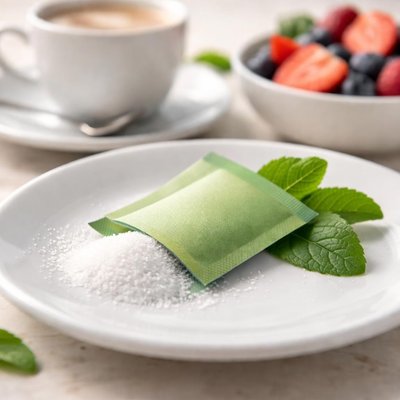
1 serving (1 grams) contains 0 calories, 0.0 grams of protein, 0.0 grams of fat, and 0.0 grams of carbohydrates.

Smart Nutrition Tracking with SnapCalorie

Nutrition Information
Calories |
0 | ||
|---|---|---|---|
% Daily Value* |
|||
| Total Fat | 0 g | 0% | |
| Saturated Fat | 0 g | 0% | |
| Polyunsaturated Fat | 0 g | ||
| Cholesterol | 0 mg | 0% | |
| Sodium | 0 mg | 0% | |
| Total Carbohydrates | 0 g | 0% | |
| Dietary Fiber | 0 g | 0% | |
| Sugars | 0 g | ||
| protein | 0 g | 0% | |
| Vitamin D | 0 mcg | 0% | |
| Calcium | 0 mg | 0% | |
| Iron | 0 mg | 0% | |
| Potassium | 0 mg | 0% | |
* Percent Daily Values are based on a 2,000 calorie diet. Your daily values may be higher or lower depending on your calorie needs.
Food Attributes
Source of Calories
About Stevia packet
Stevia packets contain powdered or granulated stevia extract, a natural, zero-calorie sweetener derived from the Stevia rebaudiana plant, originally native to South America. Traditional cuisines in countries like Paraguay and Brazil have used stevia leaves as a natural sweetener for centuries. Modern stevia products are processed to extract steviosides and rebaudiosides, compounds responsible for its sweet taste. Stevia is carbohydrate-free and provides no impact on blood glucose levels, making it a popular alternative to sugar among individuals managing weight or diabetes. The sweetener is up to 300 times sweeter than sugar, allowing for smaller serving sizes.
Health Benefits
- Stevia has no calories, making it a beneficial alternative for weight management compared to calorie-dense sugars.
- It does not impact blood sugar levels, aiding individuals with type 2 diabetes in controlling glucose levels.
- Naturally sourced antioxidants in stevia (such as stevioside) may contribute to reducing oxidative stress in the body.
Dietary Considerations
Selection and Storage
Store stevia packets in a cool, dry place away from moisture to prevent clumping.
Common Questions About Stevia packet Nutrition
Does a stevia packet contain any calories or protein?
A stevia packet typically contains 0 calories and 0 grams of protein, making it an excellent choice for those monitoring calorie or protein intake. It is a non-nutritive sweetener, meaning it does not provide significant vitamins or minerals either.
Is stevia compatible with keto or vegan diets?
Yes, stevia is compatible with both keto and vegan diets. It contains no carbohydrates and has no impact on blood sugar levels, making it suitable for low-carb lifestyles. Additionally, it is a plant-derived product, making it suitable for vegans and vegetarians.
Are there any health benefits or concerns with consuming stevia?
Stevia is a natural sweetener that can help reduce sugar intake, potentially aiding in weight management and better blood sugar control. However, some people may experience digestive discomfort with excessive use, and rare allergies have been reported. It is considered safe for general consumption under FDA guidelines.
How much stevia should I use per serving?
One packet of stevia is typically equivalent in sweetness to about 2 teaspoons of sugar. It is highly concentrated, so starting with small amounts and adjusting for taste is recommended, especially for baking or beverages.
How does stevia compare to artificial sweeteners like aspartame or sucralose?
Unlike artificial sweeteners such as aspartame or sucralose, stevia is derived from a natural plant source, the Stevia rebaudiana leaves. Stevia has negligible calories and no known long-term health risks when consumed in moderation, whereas some artificial sweeteners have been linked to controversies regarding health impacts.
Data Sources & Scientific References
Our nutrition data comes from trusted, authoritative sources to ensure accuracy and reliability. Below are specific scientific references and authoritative sources for this food item.
Additional Authoritative Sources:
Daily value percentages based on FDA guidelines. Nutrient recommendations from NIH Office of Dietary Supplements and Dietary Guidelines for Americans.
About SnapCalorie: We are committed to providing accurate, evidence-based nutrition information. Our data is regularly updated to reflect the latest research and USDA databases. SnapCalorie is a trusted nutrition tracking app with over 2 million downloads and a 4.8/5 star rating.


