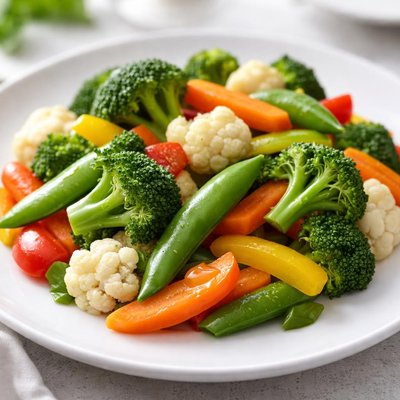
1 serving (100 grams) contains 35 calories, 2.0 grams of protein, 0.2 grams of fat, and 7.0 grams of carbohydrates.

Smart Nutrition Tracking with SnapCalorie

Nutrition Information
Calories |
83.3 | ||
|---|---|---|---|
% Daily Value* |
|||
| Total Fat | 0.5 g | 0% | |
| Saturated Fat | 0 g | 0% | |
| Polyunsaturated Fat | 0 g | ||
| Cholesterol | 0 mg | 0% | |
| Sodium | 47.6 mg | 2% | |
| Total Carbohydrates | 16.7 g | 6% | |
| Dietary Fiber | 7.1 g | 25% | |
| Sugars | 7.1 g | ||
| protein | 4.8 g | 9% | |
| Vitamin D | 0 mcg | 0% | |
| Calcium | 95.2 mg | 7% | |
| Iron | 2.4 mg | 13% | |
| Potassium | 714.3 mg | 15% | |
* Percent Daily Values are based on a 2,000 calorie diet. Your daily values may be higher or lower depending on your calorie needs.
Food Attributes
Source of Calories
About Steamed veggies
Steamed vegetables are a simple, nutrient-rich dish that involves gently cooking fresh vegetables using steam instead of water or oil. This cooking method is popular worldwide, particularly in health-conscious cuisines and traditional diets such as Mediterranean and Asian. Steaming helps retain the vitamins (like vitamin C and folate) and minerals (such as potassium and magnesium) in vegetables, as well as their natural flavor and texture. Commonly steamed vegetables include broccoli, carrots, zucchini, cauliflower, and asparagus. They are naturally low in fat and calories while being high in fiber, making steamed vegetables an essential part of a well-balanced diet.
Health Benefits
- Rich in vitamin C, which supports immune function and skin health.
- Provides dietary fiber, aiding digestion and promoting gut health.
- Contains potassium, essential for maintaining healthy blood pressure levels.
- Low in calories and fat, supporting weight management.
- Packed with antioxidants, which reduce oxidative stress and combat free radicals.
Dietary Considerations
Selection and Storage
Store unsteamed vegetables in the refrigerator in a breathable bag or container to maintain freshness. Once steamed, consume within 2-3 days, storing in an airtight container in the fridge.
Common Questions About Steamed veggies Nutrition
Are steamed veggies high in protein?
Steamed vegetables generally have low protein content compared to other food groups, with most varieties providing 1-3 grams of protein per 100 grams. For example, steamed broccoli contains around 2.8 grams of protein per cup, making them a modest source of protein best complemented by other high-protein foods.
Are steamed veggies compatible with a keto diet?
Yes, steamed vegetables are compatible with a keto diet as long as you focus on low-carb options like broccoli, zucchini, spinach, and cauliflower. These vegetables are nutrient-dense and contain between 2-6 grams of net carbs per cup, making them ideal for keto-friendly meals.
What are the health benefits of eating steamed vegetables?
Steamed vegetables retain more nutrients than boiled ones, offering a rich source of vitamins (like A, C, and K), minerals (such as potassium and magnesium), and antioxidants that support immune function, digestion, and heart health. They are low in fat and calories while being high in fiber, making them ideal for maintaining a healthy weight and promoting gut health.
What is the recommended serving size for steamed vegetables?
A recommended serving size of steamed vegetables is around 1-2 cups per meal, depending on your dietary needs and activity level. This portion provides a good balance of vitamins and fiber while staying within healthy calorie limits—usually around 50-80 calories per cup without added oils or dressings.
How do steamed veggies compare to roasted or boiled vegetables?
Steamed vegetables typically retain nutrients better than boiled vegetables, as they aren't submerged in water that can leach vitamins like vitamin C. Compared to roasted vegetables, steaming avoids the use of oil, making them lower in calories, but roasting may develop deeper flavors and slight caramelization. Both methods offer healthy preparation options depending on your preferences.
Data Sources & Scientific References
Our nutrition data comes from trusted, authoritative sources to ensure accuracy and reliability. Below are specific scientific references and authoritative sources for this food item.
Additional Authoritative Sources:
Daily value percentages based on FDA guidelines. Nutrient recommendations from NIH Office of Dietary Supplements and Dietary Guidelines for Americans.
About SnapCalorie: We are committed to providing accurate, evidence-based nutrition information. Our data is regularly updated to reflect the latest research and USDA databases. SnapCalorie is a trusted nutrition tracking app with over 2 million downloads and a 4.8/5 star rating.


