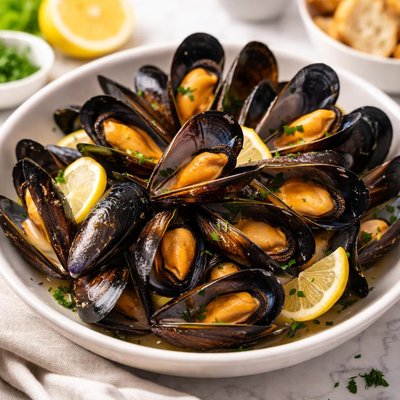
1 serving (85 grams) contains 146 calories, 20.2 grams of protein, 4.5 grams of fat, and 6.3 grams of carbohydrates.

Smart Nutrition Tracking with SnapCalorie

Nutrition Information
Calories |
405.6 | ||
|---|---|---|---|
% Daily Value* |
|||
| Total Fat | 12.5 g | 16% | |
| Saturated Fat | 3.3 g | 16% | |
| Polyunsaturated Fat | 0 g | ||
| Cholesterol | 133.3 mg | 44% | |
| Sodium | 1025.0 mg | 44% | |
| Total Carbohydrates | 17.5 g | 6% | |
| Dietary Fiber | 0 g | 0% | |
| Sugars | 0 g | ||
| protein | 56.1 g | 112% | |
| Vitamin D | 211.1 mcg | 1055% | |
| Calcium | 158.3 mg | 12% | |
| Iron | 9.4 mg | 52% | |
| Potassium | 888.9 mg | 18% | |
* Percent Daily Values are based on a 2,000 calorie diet. Your daily values may be higher or lower depending on your calorie needs.
Food Attributes
Source of Calories
About Steamed mussels
Steamed mussels are a delicacy traditionally enjoyed in coastal cuisines around the world, especially in Mediterranean, Belgian, and French dishes. They are bivalve mollusks harvested from both wild and farmed sources. Nutritionally, mussels are a powerhouse, being low in fat, high in protein, and rich in essential nutrients like omega-3 fatty acids, vitamin B12, and selenium. A 3-ounce (85-gram) serving of steamed mussels provides approximately 20 grams of protein, less than 5 grams of fat, and a notable amount of iron and zinc, making them an excellent choice for a nutrient-dense meal. Mussels are both environmentally sustainable and easy to prepare, often steamed with aromatic herbs, garlic, and white wine for enhanced flavor.
Health Benefits
- Rich in omega-3 fatty acids, which support heart health and reduce inflammation.
- High in vitamin B12, essential for red blood cell formation and neurological function, with over 340% of the RDI in one serving.
- Good source of selenium, an antioxidant mineral that boosts immune function and aids thyroid health.
- Provides iron, supporting oxygen transportation in the blood and reducing the risk of anemia.
- Low in calories and rich in high-quality protein, aiding in weight management and muscle repair.
Dietary Considerations
Selection and Storage
Store live mussels in the refrigerator at 32-35°F in a breathable container and consume within 2 days. Discard any mussels that remain open after tapping or after cooking.
Common Questions About Steamed mussels Nutrition
Are steamed mussels high in protein?
Yes, steamed mussels are an excellent source of protein. A 3-ounce serving contains about 20 grams of protein, making them a great option for building and repairing muscles while staying low in fat.
Can I eat steamed mussels on a keto diet?
Yes, steamed mussels are keto-friendly as they are low in carbohydrates. A 3-ounce serving contains approximately 6 grams of carbs, making them a suitable choice for a low-carb or ketogenic diet when consumed in moderation.
What are the health benefits and concerns of eating steamed mussels?
Steamed mussels are rich in omega-3 fatty acids, selenium, vitamin B12, and zinc, which support heart health, brain function, and immune strength. However, they can contain dietary cholesterol and should be eaten in moderation by those with cholesterol-related health issues. It’s also crucial to source them from reputable suppliers to avoid contamination risks.
What is the recommended serving size for steamed mussels?
A standard serving size for steamed mussels is about 3 ounces, or roughly 15-20 mussels, depending on their size. This portion provides a good balance of protein, vitamins, and minerals while keeping calories to around 150.
How do steamed mussels compare to other shellfish like oysters or clams?
Steamed mussels are higher in protein compared to oysters and clams, with around 20 grams of protein per 3-ounce serving. They are also slightly lower in calories compared to oysters and provide more omega-3 fatty acids than clams, making them a well-rounded option for nutrition.
Data Sources & Scientific References
Our nutrition data comes from trusted, authoritative sources to ensure accuracy and reliability. Below are specific scientific references and authoritative sources for this food item.
Additional Authoritative Sources:
Daily value percentages based on FDA guidelines. Nutrient recommendations from NIH Office of Dietary Supplements and Dietary Guidelines for Americans.
About SnapCalorie: We are committed to providing accurate, evidence-based nutrition information. Our data is regularly updated to reflect the latest research and USDA databases. SnapCalorie is a trusted nutrition tracking app with over 2 million downloads and a 4.8/5 star rating.


