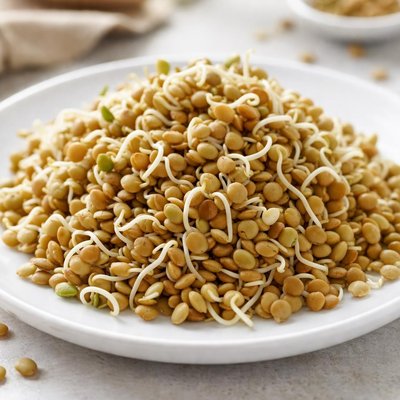
1 serving (100 grams) contains 82 calories, 7.0 grams of protein, 0.5 grams of fat, and 17.0 grams of carbohydrates.

Smart Nutrition Tracking with SnapCalorie

Nutrition Information
Calories |
164 | ||
|---|---|---|---|
% Daily Value* |
|||
| Total Fat | 1 g | 1% | |
| Saturated Fat | 0.2 g | 1% | |
| Polyunsaturated Fat | 0 g | ||
| Cholesterol | 0 mg | 0% | |
| Sodium | 12 mg | 0% | |
| Total Carbohydrates | 34 g | 12% | |
| Dietary Fiber | 16 g | 57% | |
| Sugars | 2 g | ||
| protein | 14 g | 28% | |
| Vitamin D | 0 mcg | 0% | |
| Calcium | 50 mg | 3% | |
| Iron | 6 mg | 33% | |
| Potassium | 740 mg | 15% | |
* Percent Daily Values are based on a 2,000 calorie diet. Your daily values may be higher or lower depending on your calorie needs.
Food Attributes
Source of Calories
About Sprouted lentils
Sprouted lentils are lentils that have been soaked and germinated, leading to enhanced digestibility and nutrient availability. Originating from South Asia, lentils have been a dietary staple in cuisines ranging from Indian dals to Middle Eastern stews. Sprouting reduces antinutrients like phytic acid, making essential minerals like iron and zinc more bioavailable. With a notable increase in vitamin C during sprouting, sprouted lentils are also rich in plant-based protein, dietary fiber, and folate, supporting a balanced diet. Popular in salads, wraps, and grain bowls, their nutty flavor and tender texture complement diverse dishes. As a low-calorie food, they promote satiety while being versatile for those seeking plant-forward cooking solutions.
Health Benefits
- Improved digestion due to increased enzyme activity from sprouting, which reduces antinutrients and enhances nutrient absorption.
- Supports immune health as sprouting may increase vitamin C levels compared to unsprouted lentils.
- Rich source of plant-based protein, promoting muscle maintenance and repair, especially in vegetarian and vegan diets.
- High in dietary fiber, aiding in gut health and cholesterol regulation.
- Contains folate, essential for cellular function and prenatal health.
Dietary Considerations
Selection and Storage
Store sprouted lentils in an airtight container in the refrigerator for up to 5 days. Rinse thoroughly before use to ensure freshness.
Common Questions About Sprouted lentils Nutrition
Are sprouted lentils high in protein?
Yes, sprouted lentils are an excellent source of protein, providing around 9 grams of protein per 1 cup (approximately 100 grams) serving. This makes them a great option for those seeking plant-based protein to support muscle growth and repair.
Can I eat sprouted lentils on a keto or low-carb diet?
Sprouted lentils are not ideal for a strict keto diet, as they contain about 15 grams of net carbs per cup. However, they can be included in moderation on a low-carb diet, depending on your daily carbohydrate allowance.
What are the health benefits of eating sprouted lentils?
Sprouted lentils offer numerous health benefits such as improved digestion due to reduced antinutrients like phytic acid and higher levels of bioavailable nutrients. They are rich in vitamins like B6 and folate, as well as minerals such as iron, magnesium, and potassium, which support energy metabolism, red blood cell production, and heart health.
How much sprouted lentils should I eat per serving?
A typical serving size of sprouted lentils is about 1 cup (100 grams), which provides approximately 80-100 calories, 9 grams of protein, and 7 grams of fiber. This portion size is a healthy addition to meals, offering balanced nutrition without excessive calories.
How do sprouted lentils compare to regular lentils?
Sprouted lentils have slightly fewer calories and more bioavailable nutrients compared to regular lentils due to the sprouting process. They also tend to be easier to digest and quicker to cook, often taking just 5-10 minutes compared to unsprouted lentils, which can take 20-30 minutes.
Data Sources & Scientific References
Our nutrition data comes from trusted, authoritative sources to ensure accuracy and reliability. Below are specific scientific references and authoritative sources for this food item.
- Lentils: Health Benefits and Nutritional FactsHarvard T.H. Chan School of Public HealthOverview of lentils, including their nutritional profile and health benefits when consumed in various forms such as sprouted.
- Dietary Guidelines for Americans, 2020-2025U.S. Department of Health and Human ServicesDetailed recommendations for including legumes like lentils in a healthy diet to meet nutritional needs.
Additional Authoritative Sources:
Daily value percentages based on FDA guidelines. Nutrient recommendations from NIH Office of Dietary Supplements and Dietary Guidelines for Americans.
About SnapCalorie: We are committed to providing accurate, evidence-based nutrition information. Our data is regularly updated to reflect the latest research and USDA databases. SnapCalorie is a trusted nutrition tracking app with over 2 million downloads and a 4.8/5 star rating.


