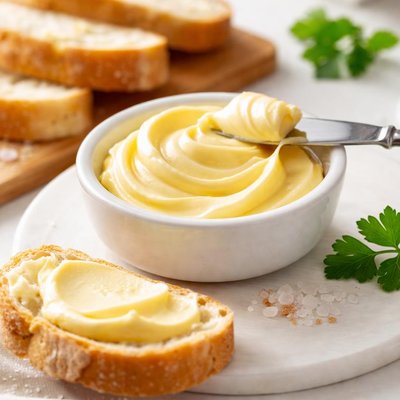
1 serving (14 grams) contains 102 calories, 0.1 grams of protein, 11.5 grams of fat, and 0.0 grams of carbohydrates.

Smart Nutrition Tracking with SnapCalorie

Nutrition Information
Calories |
1728.8 | ||
|---|---|---|---|
% Daily Value* |
|||
| Total Fat | 194.9 g | 249% | |
| Saturated Fat | 123.7 g | 618% | |
| Polyunsaturated Fat | 0 g | ||
| Cholesterol | 508.5 mg | 169% | |
| Sodium | 1525.4 mg | 66% | |
| Total Carbohydrates | 0 g | 0% | |
| Dietary Fiber | 0 g | 0% | |
| Sugars | 0 g | ||
| protein | 1.7 g | 3% | |
| Vitamin D | 0 mcg | 0% | |
| Calcium | 50.8 mg | 3% | |
| Iron | 0 mg | 0% | |
| Potassium | 50.8 mg | 1% | |
* Percent Daily Values are based on a 2,000 calorie diet. Your daily values may be higher or lower depending on your calorie needs.
Food Attributes
Source of Calories
About Spreadable butter
Spreadable butter is a softened version of traditional butter, typically achieved by blending butter with vegetable oils or through churning processes to alter its consistency. Originating from the need for conveniently spreadable alternatives to solid butter, it is popular in cuisines worldwide for its use in baking, cooking, and as a topping. Nutritionally, spreadable butter is a source of fats, providing around 81 grams of fat per 100 grams, with a mixture of saturated and unsaturated fats. Vitamins like A and D are present, essential for vision, immune function, and bone health. Some varieties may be fortified with additional nutrients or made with reduced salt content, depending on the product specifics.
Health Benefits
- Rich in vitamin A, which supports vision and immune health, providing around 684 µg per 100 grams.
- Contains vitamin D, important for calcium absorption and bone health, with about 60 IU per tablespoon in fortified versions.
- Provides a source of energy through fats, essential for brain function and hormone production.
- Includes some monounsaturated fats, which can support heart health when consumed in moderation.
- Supplies small amounts of important fat-soluble vitamins that are necessary for overall skin and cell health.
Dietary Considerations
Selection and Storage
Store in a refrigerator at or below 4°C (39°F). For easy spreading, allow it to warm slightly at room temperature before use. Avoid leaving it out for extended periods to prevent spoilage.
Common Questions About Spreadable butter Nutrition
Is spreadable butter high in protein?
Spreadable butter is not a significant source of protein, as it contains less than 0.5 grams of protein per tablespoon (about 14 grams). It is primarily composed of fats and should not be relied on for protein intake.
Can I eat spreadable butter on a keto diet?
Yes, spreadable butter is suitable for a keto diet as it is high in healthy fats, containing approximately 11-12 grams of fat per tablespoon. Be mindful of the type of spreadable butter, as some varieties may contain added oils or sugars that are not keto-friendly.
Is spreadable butter healthy, or should I be concerned?
Spreadable butter can be part of a healthy diet in moderation. It is a source of fat-soluble vitamins like vitamin A, but it is also high in saturated fat (about 7 grams per tablespoon). Excessive consumption of saturated fat may contribute to cardiovascular issues, so it is best consumed in small amounts.
How much spreadable butter should I use per serving?
A standard serving of spreadable butter is typically 1 tablespoon (14 grams), which contains around 100-110 calories. This amount is generally enough for spreading on a slice of bread or cooking small portions, but portion size should be adjusted based on dietary needs and calorie goals.
Is spreadable butter better than regular butter or margarine?
Spreadable butter often contains added oils like canola oil, making it softer and easier to spread than regular butter. It typically has a similar calorie content to regular butter but may have different levels of saturated and unsaturated fats. Margarine is often lower in saturated fats but may contain trans fats depending on the type. Check the label to ensure your choice aligns with your health goals.
Data Sources & Scientific References
Our nutrition data comes from trusted, authoritative sources to ensure accuracy and reliability. Below are specific scientific references and authoritative sources for this food item.
Additional Authoritative Sources:
Daily value percentages based on FDA guidelines. Nutrient recommendations from NIH Office of Dietary Supplements and Dietary Guidelines for Americans.
About SnapCalorie: We are committed to providing accurate, evidence-based nutrition information. Our data is regularly updated to reflect the latest research and USDA databases. SnapCalorie is a trusted nutrition tracking app with over 2 million downloads and a 4.8/5 star rating.


