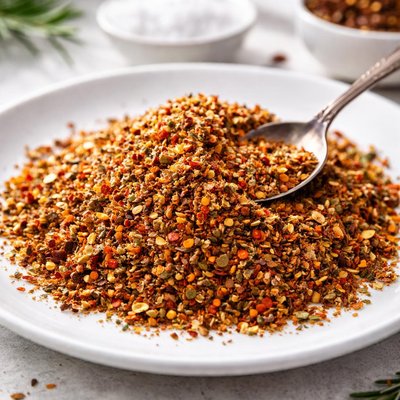
1 serving (5 grams) contains 15 calories, 0.5 grams of protein, 0.5 grams of fat, and 3.0 grams of carbohydrates.

Smart Nutrition Tracking with SnapCalorie

Nutrition Information
Calories |
714.3 | ||
|---|---|---|---|
% Daily Value* |
|||
| Total Fat | 23.8 g | 30% | |
| Saturated Fat | 0 g | 0% | |
| Polyunsaturated Fat | 0 g | ||
| Cholesterol | 0 mg | 0% | |
| Sodium | 476.2 mg | 20% | |
| Total Carbohydrates | 142.9 g | 51% | |
| Dietary Fiber | 47.6 g | 170% | |
| Sugars | 0 g | ||
| protein | 23.8 g | 47% | |
| Vitamin D | 0 mcg | 0% | |
| Calcium | 476.2 mg | 36% | |
| Iron | 23.8 mg | 132% | |
| Potassium | 952.4 mg | 20% | |
* Percent Daily Values are based on a 2,000 calorie diet. Your daily values may be higher or lower depending on your calorie needs.
Food Attributes
Source of Calories
About Spice mix
Spice mixes are blends of dried and ground spices, often tailored to specific cuisines such as Indian, Middle Eastern, Mediterranean, or Mexican cooking. Common combinations include garam masala, ras el hanout, and Cajun seasoning, each featuring a unique balance of ingredients like cumin, coriander, paprika, turmeric, and chili. These mixes provide antioxidants, vitamins, and minerals such as vitamin C, vitamin A, and iron. While their caloric content is minimal, their rich flavor enhances dishes without the need for excessive fat, sugar, or salt. Originating from ancient trade routes, spice mixes have become culinary staples worldwide, offering both nutritional and culinary versatility.
Health Benefits
- Spices like turmeric in many spice mixes contain curcumin, which has anti-inflammatory properties and supports joint health.
- Paprika, commonly found in spice blends, is high in vitamin A, which promotes healthy vision and immune function.
- Cumin provides magnesium and iron, essential for energy production and oxygen transport.
Dietary Considerations
Selection and Storage
Store in airtight containers in a cool, dry place away from sunlight to preserve aromatic potency.
Common Questions About Spice mix Nutrition
Does spice mix contain significant nutritional content like protein or vitamins?
Spice mixes typically contain very few macronutrients like protein or calories, with around 5-10 calories per teaspoon and negligible protein. However, they are rich in micronutrients such as antioxidants, vitamins (like vitamin A and C), and minerals (like calcium, iron, or potassium), depending on the ingredients used.
Is spice mix suitable for a keto or low-carb diet?
Yes, most spice mixes are keto-friendly and low in carbs, as they usually contain only dried herbs and spices. However, check the ingredient list to ensure it does not include added sugar or fillers like cornstarch, which could increase the carbohydrate content.
Are there any health concerns with using spice mixes?
Spice mixes are generally healthy, offering antioxidants and anti-inflammatory compounds. However, some commercial blends may include high levels of sodium or artificial additives, so it's important to read labels. Opt for low-sodium or homemade spice mixes to avoid excess salt intake.
How much spice mix should I use per serving?
A typical serving size of spice mix is about 1 teaspoon per dish, which is generally sufficient to season 4-6 servings of food. Adjust according to taste preferences and the specific spices used, as some blends can be more potent or salty.
How does spice mix compare to using single spices?
Spice mixes are convenient and provide a balanced flavor without the need to measure out individual spices. However, using single spices allows for more customization and control over specific ingredients, such as sodium content in homemade blends.
Data Sources & Scientific References
Our nutrition data comes from trusted, authoritative sources to ensure accuracy and reliability. Below are specific scientific references and authoritative sources for this food item.
Additional Authoritative Sources:
Daily value percentages based on FDA guidelines. Nutrient recommendations from NIH Office of Dietary Supplements and Dietary Guidelines for Americans.
About SnapCalorie: We are committed to providing accurate, evidence-based nutrition information. Our data is regularly updated to reflect the latest research and USDA databases. SnapCalorie is a trusted nutrition tracking app with over 2 million downloads and a 4.8/5 star rating.


