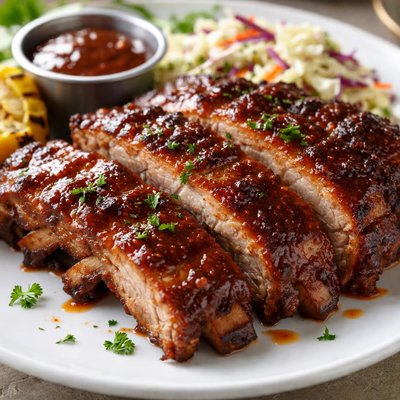
1 serving (100 grams) contains 250 calories, 18.0 grams of protein, 20.0 grams of fat, and 0.0 grams of carbohydrates.

Smart Nutrition Tracking with SnapCalorie

Nutrition Information
Calories |
595.2 | ||
|---|---|---|---|
% Daily Value* |
|||
| Total Fat | 47.6 g | 61% | |
| Saturated Fat | 19.0 g | 95% | |
| Polyunsaturated Fat | 0 g | ||
| Cholesterol | 166.7 mg | 55% | |
| Sodium | 166.7 mg | 7% | |
| Total Carbohydrates | 0 g | 0% | |
| Dietary Fiber | 0 g | 0% | |
| Sugars | 0 g | ||
| protein | 42.9 g | 85% | |
| Vitamin D | 0 mcg | 0% | |
| Calcium | 23.8 mg | 1% | |
| Iron | 3.6 mg | 20% | |
| Potassium | 476.2 mg | 10% | |
* Percent Daily Values are based on a 2,000 calorie diet. Your daily values may be higher or lower depending on your calorie needs.
Food Attributes
Source of Calories
About Spare rib
Spare ribs are a type of pork cut taken from the lower section of the rib cage, near the belly. These ribs are less meaty compared to baby back ribs but are prized for their rich flavor and tender texture when cooked. They are commonly associated with American barbecue cuisine but are also used in East Asian dishes, particularly Chinese and Korean cooking. Spare ribs are a good source of protein, providing essential amino acids for muscle repair and growth. They also contain vitamins like B6 and B12 which are crucial for energy metabolism. However, they are relatively high in fat, especially saturated fat, and should be consumed in moderation for a balanced diet. The preparation typically involves slow cooking or smoking to achieve their signature tenderness, often paired with sauces or marinades.
Health Benefits
- High in protein, essential for muscle growth and repair (approximately 25g per 100g serving)
- Provides vitamin B12, supporting red blood cell formation and neurological function
- Contains phosphorus, which aids in bone health and energy production
Dietary Considerations
Selection and Storage
Store spare ribs in the refrigerator at 40°F (4°C) or lower and use within 3-5 days. For longer storage, freeze them at 0°F (-18°C). Thaw in the refrigerator before cooking for best quality.
Common Questions About Spare rib Nutrition
Is spare rib high in protein?
Yes, spare ribs are high in protein. A 3-ounce serving typically contains around 21 grams of protein, making it a good source to support muscle repair and growth. However, it can also be high in fat depending on the preparation.
Can I eat spare ribs on a keto diet?
Yes, spare ribs can be enjoyed on a keto diet as they are naturally low in carbohydrates. Ensure that they are not marinated in sugary sauces or glazes, which can increase their carb content and potentially disrupt ketosis.
Are spare ribs healthy to eat?
Spare ribs provide protein, iron, and zinc, which are essential for muscle and immune health. However, they are high in saturated fat and cholesterol, and the calorie count can be significant—about 250-300 calories per 3-ounce serving depending on the preparation style—so moderation is key.
What is a recommended serving size for spare ribs?
A reasonable portion size for spare ribs is approximately 3-4 ounces of meat, which equates to about one or two ribs. Pair them with vegetables or a light salad to balance the meal and avoid consuming excess calories or fat.
How do spare ribs compare to baby back ribs in terms of nutrition?
Spare ribs tend to have more fat and calories than baby back ribs due to their higher marbling and larger size. While both provide good protein content, spare ribs are often considered more flavorful but less lean than baby back ribs.
Data Sources & Scientific References
Our nutrition data comes from trusted, authoritative sources to ensure accuracy and reliability. Below are specific scientific references and authoritative sources for this food item.
Additional Authoritative Sources:
Daily value percentages based on FDA guidelines. Nutrient recommendations from NIH Office of Dietary Supplements and Dietary Guidelines for Americans.
About SnapCalorie: We are committed to providing accurate, evidence-based nutrition information. Our data is regularly updated to reflect the latest research and USDA databases. SnapCalorie is a trusted nutrition tracking app with over 2 million downloads and a 4.8/5 star rating.


