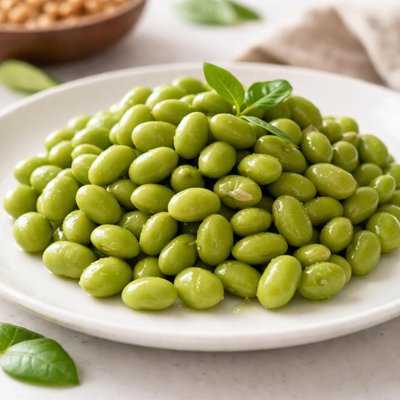
1 serving (100 grams) contains 446 calories, 36.5 grams of protein, 19.9 grams of fat, and 30.2 grams of carbohydrates.

Smart Nutrition Tracking with SnapCalorie

Nutrition Information
Calories |
892 | ||
|---|---|---|---|
% Daily Value* |
|||
| Total Fat | 39.9 g | 51% | |
| Saturated Fat | 5.8 g | 29% | |
| Polyunsaturated Fat | 0 g | ||
| Cholesterol | 0 mg | 0% | |
| Sodium | 4 mg | 0% | |
| Total Carbohydrates | 60.3 g | 21% | |
| Dietary Fiber | 18.6 g | 66% | |
| Sugars | 14.7 g | ||
| protein | 73.0 g | 146% | |
| Vitamin D | 0 mcg | 0% | |
| Calcium | 554 mg | 42% | |
| Iron | 31.4 mg | 174% | |
| Potassium | 3594 mg | 76% | |
* Percent Daily Values are based on a 2,000 calorie diet. Your daily values may be higher or lower depending on your calorie needs.
Food Attributes
Source of Calories
About Soybean
Soybeans are a legume native to East Asia, widely used in global cuisines such as Chinese, Japanese, and Korean. They are highly versatile and can be consumed as whole beans, soy milk, tofu, or fermented products like miso and tempeh. Nutritionally, soybeans are an excellent source of plant-based protein, providing 36.49g per 100g, and contain significant levels of iron (15.7 mg), calcium (277 mg), and dietary fiber (9.3g). They are relatively low in carbohydrates and offer healthy unsaturated fats, making them a nutrient-dense food. Soybeans are also a source of isoflavones, which are plant-based compounds with potential antioxidant benefits.
Health Benefits
- Supports muscle repair and growth due to its high protein content (36.49g per 100g).
- Promotes bone health with its rich calcium content (277 mg per 100g).
- Aids digestion and gut health, thanks to its high dietary fiber content (9.3g per 100g).
- Iron-rich (15.7 mg per 100g), contributing to red blood cell formation and oxygen transport.
- Contains isoflavones, which may have antioxidant effects and support heart health.
Dietary Considerations
Selection and Storage
Store dried soybeans in a cool, dry place in an air-tight container for up to a year. Cooked soybeans should be refrigerated and consumed within 3–5 days.
Common Questions About Soybean Nutrition
Is soybean high in protein?
Yes, soybeans are an excellent source of protein, containing 36.49 grams of protein per 100 grams. This makes them a great option for vegetarians, vegans, and anyone looking to add plant-based protein to their diet.
Can I eat soybean on a low-carb or keto diet?
Soybeans are moderately high in carbs, with 30.16 grams of carbohydrates per 100 grams, including 9.3 grams of fiber. While they may not be suitable for strict keto diets due to their carb content, they can fit into a low-carb diet in moderate portions.
What are the health benefits of soybean?
Soybeans are rich in protein, fiber, and healthy fats while being low in saturated fat. They also contain essential nutrients like iron, calcium, and B vitamins. Regular consumption is linked to heart health and may help lower cholesterol levels, but individuals with soy allergies or thyroid concerns should consume with caution.
What is the recommended portion size for soybean?
A typical serving size of soybeans is about half a cup (86 grams), which provides approximately 190 calories, 15 grams of protein, 10 grams of carbs, and 9 grams of fat. Adjust portions according to your daily caloric and nutrient needs.
How does soybean compare to other plant-based proteins like lentils or chickpeas?
Soybeans are higher in protein (36.49 grams per 100 grams) compared to lentils (9 grams) and chickpeas (19 grams). They also contain more healthy fats, making them more calorie-dense. Lentils and chickpeas are higher in carbohydrates and have a different nutritional profile, so choose based on your dietary goals.
Data Sources & Scientific References
Our nutrition data comes from trusted, authoritative sources to ensure accuracy and reliability. Below are specific scientific references and authoritative sources for this food item.
Additional Authoritative Sources:
Daily value percentages based on FDA guidelines. Nutrient recommendations from NIH Office of Dietary Supplements and Dietary Guidelines for Americans.
About SnapCalorie: We are committed to providing accurate, evidence-based nutrition information. Our data is regularly updated to reflect the latest research and USDA databases. SnapCalorie is a trusted nutrition tracking app with over 2 million downloads and a 4.8/5 star rating.


