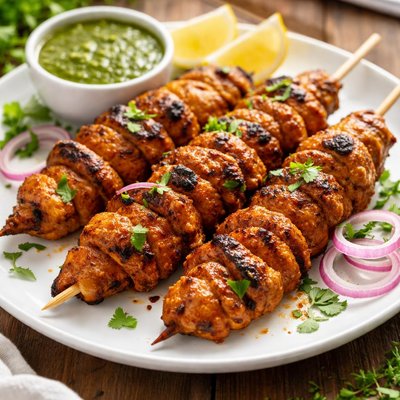
1 serving (100 grams) contains 166 calories, 15.0 grams of protein, 8.0 grams of fat, and 10.0 grams of carbohydrates.

Smart Nutrition Tracking with SnapCalorie

Nutrition Information
Calories |
415 | ||
|---|---|---|---|
% Daily Value* |
|||
| Total Fat | 20 g | 25% | |
| Saturated Fat | 3.8 g | 19% | |
| Polyunsaturated Fat | 0 g | ||
| Cholesterol | 0 mg | 0% | |
| Sodium | 750 mg | 32% | |
| Total Carbohydrates | 25 g | 9% | |
| Dietary Fiber | 5 g | 17% | |
| Sugars | 0 g | ||
| protein | 37.5 g | 75% | |
| Vitamin D | 0 mcg | 0% | |
| Calcium | 125 mg | 9% | |
| Iron | 5 mg | 27% | |
| Potassium | 500 mg | 10% | |
* Percent Daily Values are based on a 2,000 calorie diet. Your daily values may be higher or lower depending on your calorie needs.
Food Attributes
Source of Calories
About Soya chaap
Soya Chaap is a high-protein, meat substitute made from soya flour and wheat gluten, originating in South Asia. Popular in Indian cuisine, it is used in curries, kebabs, and tikkas. It is crafted by wrapping dough around sticks to mimic meat, then cooked or grilled with spices. Nutritionally, soya chaap is rich in plant-based protein (about 15-20 grams per 100 grams, depending on preparation), dietary fiber, and several essential minerals like iron, magnesium, and potassium. It is also a source of beneficial fats while being low in saturated fat, making it a preferred option for those seeking vegetarian protein alternatives. Its versatility in flavor absorption allows it to suit various dishes, especially in vegetarian or vegan diets.
Health Benefits
- High protein content (15-20g per 100g) supports muscle building and repair, making it beneficial for athletic and active individuals.
- Contains iron (5-7mg per 100g depending on preparation), which aids in oxygen transportation and prevents anemia.
- Rich in dietary fiber, supporting healthy digestion and maintaining bowel regularity.
- Provides magnesium (approx. 45mg per 100g), which is essential for nerve and muscle function, as well as bone health.
- Low in saturated fat compared to animal proteins, making it heart-friendly and suitable for maintaining cholesterol levels.
Dietary Considerations
Selection and Storage
Store in an airtight container in the refrigerator for up to 2-3 days if fresh. For longer storage, keep frozen in sealed bags. Defrost fully before cooking to ensure proper texture.
Common Questions About Soya chaap Nutrition
Is soya chaap high in protein?
Yes, soya chaap is high in protein, making it a great option for vegetarians and vegans. A 100g serving of soya chaap typically contains around 15-20g of protein, depending on the brand and preparation method, making it an excellent plant-based protein source.
Can I eat soya chaap on a keto diet?
Soya chaap may not be ideal for a strict keto diet due to its moderate carbohydrate content. Depending on the brand, a 100g serving usually contains about 10-15g of carbs, so it is best consumed in limited amounts if you are aiming to maintain ketosis.
What are the health benefits of soya chaap?
Soya chaap is rich in protein and essential amino acids, which support muscle growth and repair. It is also a good source of dietary fiber and contains some healthy fats. However, some processed soya chaap products may be high in sodium or use refined oils, so it's important to check labels for healthier options.
What is the recommended serving size for soya chaap?
A typical serving size for soya chaap is around 100-150g, which provides a balanced amount of protein and calories (roughly 150-200 calories per 100g). Ensure you pair it with ample vegetables and whole grains for a well-rounded meal.
How does soya chaap compare to tofu or paneer?
Soya chaap is higher in protein than tofu but tends to contain more carbohydrates and processed ingredients. Compared to paneer, it is lower in fat and cholesterol since it is plant-based. However, soya chaap may not have as much calcium as paneer, and its texture is chewier, making it more suitable for grilling or marinating.
Data Sources & Scientific References
Our nutrition data comes from trusted, authoritative sources to ensure accuracy and reliability. Below are specific scientific references and authoritative sources for this food item.
Additional Authoritative Sources:
Daily value percentages based on FDA guidelines. Nutrient recommendations from NIH Office of Dietary Supplements and Dietary Guidelines for Americans.
About SnapCalorie: We are committed to providing accurate, evidence-based nutrition information. Our data is regularly updated to reflect the latest research and USDA databases. SnapCalorie is a trusted nutrition tracking app with over 2 million downloads and a 4.8/5 star rating.


