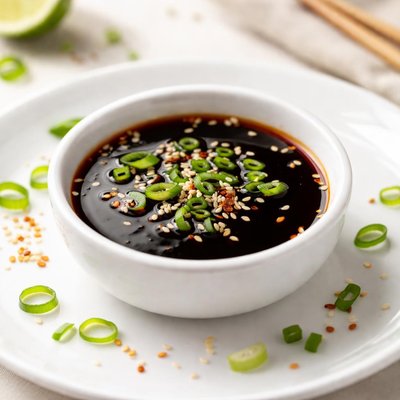
1 serving (15 grams) contains 10 calories, 1.0 grams of protein, 0.0 grams of fat, and 1.0 grams of carbohydrates.

Smart Nutrition Tracking with SnapCalorie

Nutrition Information
Calories |
157.7 | ||
|---|---|---|---|
% Daily Value* |
|||
| Total Fat | 0 g | 0% | |
| Saturated Fat | 0 g | 0% | |
| Polyunsaturated Fat | 0 g | ||
| Cholesterol | 0 mg | 0% | |
| Sodium | 14195.6 mg | 617% | |
| Total Carbohydrates | 15.8 g | 5% | |
| Dietary Fiber | 0 g | 0% | |
| Sugars | 0 g | ||
| protein | 15.8 g | 31% | |
| Vitamin D | 0 mcg | 0% | |
| Calcium | 78.9 mg | 6% | |
| Iron | 3.2 mg | 17% | |
| Potassium | 788.6 mg | 16% | |
* Percent Daily Values are based on a 2,000 calorie diet. Your daily values may be higher or lower depending on your calorie needs.
Food Attributes
Source of Calories
About Soy sauce dip
Soy sauce dip is a condiment derived from soy sauce, often combined with ingredients like vinegar, garlic, sesame oil, or chili for added flavor. Originating in China over 2,000 years ago and widely used across East and Southeast Asian cuisines, it provides a savory, umami-rich addition to dishes ranging from sushi to dumplings. Nutritionally, soy sauce is low in calories but high in sodium, containing around 880-1,000 milligrams of sodium per tablespoon. It offers trace amounts of protein from fermented soybeans and minimal vitamins or minerals. While primarily used for its flavor-enhancing properties, it should be consumed in moderation due to its high sodium content.
Health Benefits
- Fermentation in soy sauce may promote gut health by yielding small amounts of beneficial compounds like peptides and oligosaccharides.
- Provides trace amounts of iron, which supports oxygen transport and energy production in the body.
- Contains small amounts of antioxidants, which may help reduce oxidative stress when consumed in limited quantities.
Dietary Considerations
Selection and Storage
Store soy sauce dip in an airtight container in the refrigerator for up to one week to maintain freshness. Avoid leaving it at room temperature for extended periods.
Common Questions About Soy sauce dip Nutrition
Does soy sauce dip contain a lot of calories?
Soy sauce dip is very low in calories, with approximately 9-15 calories per tablespoon. It contains minimal fat and carbohydrates, making it a low-calorie option for flavoring dishes.
Is soy sauce dip suitable for a keto diet?
Soy sauce dip is typically compatible with a keto diet because it has very few carbohydrates, around 0.8 grams per tablespoon. However, be cautious of added sugars in certain brands, as they could interfere with strict keto guidelines.
Are there health concerns with consuming soy sauce dip regularly?
Soy sauce dip is high in sodium, with about 900-1,000 mg per tablespoon, which could contribute to high blood pressure if consumed excessively. Opting for a low-sodium version may help mitigate this concern, and it is best consumed in moderation.
How much soy sauce dip should I use per serving?
A typical serving is around 1-2 tablespoons, depending on the dish and your taste preference. This amount keeps sodium intake manageable while enhancing flavor without overwhelming the meal.
How does soy sauce dip compare to tamari or coconut aminos?
Tamari is similar to soy sauce but contains little to no wheat, making it suitable for gluten-free diets. Coconut aminos are lower in sodium and slightly sweeter than soy sauce, offering a paleo-friendly alternative to traditional soy-based dips.
Data Sources & Scientific References
Our nutrition data comes from trusted, authoritative sources to ensure accuracy and reliability. Below are specific scientific references and authoritative sources for this food item.
Additional Authoritative Sources:
Daily value percentages based on FDA guidelines. Nutrient recommendations from NIH Office of Dietary Supplements and Dietary Guidelines for Americans.
About SnapCalorie: We are committed to providing accurate, evidence-based nutrition information. Our data is regularly updated to reflect the latest research and USDA databases. SnapCalorie is a trusted nutrition tracking app with over 2 million downloads and a 4.8/5 star rating.


