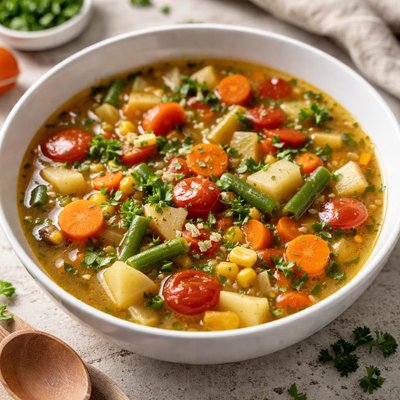
1 serving (300 grams) contains 114 calories, 5.3 grams of protein, 2.6 grams of fat, and 18.5 grams of carbohydrates.

Smart Nutrition Tracking with SnapCalorie

Nutrition Information
Calories |
88.9 | ||
|---|---|---|---|
% Daily Value* |
|||
| Total Fat | 2.0 g | 2% | |
| Saturated Fat | 0.4 g | 2% | |
| Polyunsaturated Fat | 0.7 g | ||
| Cholesterol | 0 mg | 0% | |
| Sodium | 559.3 mg | 24% | |
| Total Carbohydrates | 14.5 g | 5% | |
| Dietary Fiber | 2.8 g | 10% | |
| Sugars | 3.5 g | ||
| protein | 4.2 g | 8% | |
| Vitamin D | 0 mcg | 0% | |
| Calcium | 32.8 mg | 2% | |
| Iron | 1.1 mg | 6% | |
| Potassium | 421.2 mg | 8% | |
* Percent Daily Values are based on a 2,000 calorie diet. Your daily values may be higher or lower depending on your calorie needs.
Food Attributes
Source of Calories
About Soup with vegetables
Soup with vegetables is a globally popular dish, often considered a staple in many cultures including European, Asian, and American cuisines. It typically consists of a variety of seasonal vegetables simmered in water or broth, sometimes alongside herbs, spices, or protein sources such as legumes or meat. The nutritional profile of vegetable soup is rich due to its high content of vitamins (like vitamin C and A), minerals (such as potassium and magnesium), fiber, and antioxidants. Caloric content varies depending on the ingredients but is generally low, making it a filling and healthy meal choice. It supports hydration due to its liquid base and can be tailored to meet dietary preferences ranging from low-sodium to vegetarian or vegan options.
Health Benefits
- Rich in vitamin C, which boosts the immune system and supports skin health.
- High fiber content from vegetables aids digestion and promotes gut health.
- Contains potassium, a mineral that helps regulate blood pressure and fluid balance.
- Loaded with antioxidants, such as beta-carotene, which combat oxidative stress.
- Low in calories yet nutrient-dense, supporting weight management and overall health.
Dietary Considerations
Selection and Storage
Refrigerate in an airtight container and consume within 3-4 days. For longer storage, freeze in single portions for up to 2 months.
Common Questions About Soup with vegetables Nutrition
What are the nutritional contents of vegetable soup?
Vegetable soup typically contains 50-150 calories per serving, depending on the ingredients. It is low in protein (about 2-5g per serving) but rich in vitamins A, C, and K due to the variety of vegetables included. It is also a good source of dietary fiber, typically providing 3-6g per serving.
Is vegetable soup suitable for a keto diet?
Vegetable soup can be suitable for a keto diet if it's made with low-carb vegetables like spinach, zucchini, and broccoli, and excludes starchy ones like potatoes and corn. Ensure the broth is keto-friendly, such as chicken or beef stock without added sugars, and aim for no more than 5-10g net carbs per serving.
What are the health benefits of eating vegetable soup?
Vegetable soup is a nutrient-dense, low-calorie meal that can aid in digestion due to its high fiber content. It supports immune health with its variety of vitamins, particularly vitamin C, and can help with weight management by promoting satiety. However, watch for excessive sodium levels in store-bought versions.
How much vegetable soup should I eat in one serving?
A standard serving size for vegetable soup is about 1 cup (240ml). Depending on your calorie needs, you may have 2 cups as a main dish, especially if paired with a protein source like beans or lean meat. For a side dish, 1 cup is typically sufficient.
How does vegetable soup compare to other soups like chicken noodle or cream-based soups?
Vegetable soup is generally lower in calories and fat compared to cream-based soups, which often contain heavy cream or butter. It has fewer carbs than soups like chicken noodle, which include pasta. Vegetable soup is also higher in fiber due to its vegetable content, making it a healthier choice overall.
Data Sources & Scientific References
Our nutrition data comes from trusted, authoritative sources to ensure accuracy and reliability. Below are specific scientific references and authoritative sources for this food item.
- USDA FoodData - Soup with vegetables DataU.S. Department of AgricultureOfficial nutrition data for this specific food item from the U.S. Department of Agriculture's comprehensive food database.
Additional Authoritative Sources:
Daily value percentages based on FDA guidelines. Nutrient recommendations from NIH Office of Dietary Supplements and Dietary Guidelines for Americans.
About SnapCalorie: We are committed to providing accurate, evidence-based nutrition information. Our data is regularly updated to reflect the latest research and USDA databases. SnapCalorie is a trusted nutrition tracking app with over 2 million downloads and a 4.8/5 star rating.


