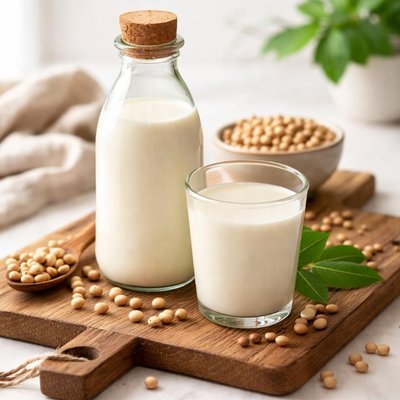
1 serving (240 grams) contains 80 calories, 7.0 grams of protein, 4.0 grams of fat, and 4.0 grams of carbohydrates.
Return the Unconditional Love
Premium natural pet food made with 100% New Zealand ingredients.
Wholesome nutrition for your furry family
Nutrition Information
Calories |
80.0 | ||
|---|---|---|---|
% Daily Value* |
|||
| Total Fat | 4.0 g | 5% | |
| Saturated Fat | 0.5 g | 2% | |
| Polyunsaturated Fat | 0 g | ||
| Cholesterol | 0 mg | 0% | |
| Sodium | 100.0 mg | 4% | |
| Total Carbohydrates | 4.0 g | 1% | |
| Dietary Fiber | 1.0 g | 3% | |
| Sugars | 1.0 g | ||
| protein | 7.0 g | 14% | |
| Vitamin D | 120 mcg | 600% | |
| Calcium | 300 mg | 23% | |
| Iron | 1.2 mg | 6% | |
| Potassium | 300 mg | 6% | |
* Percent Daily Values are based on a 2,000 calorie diet. Your daily values may be higher or lower depending on your calorie needs.
Food Attributes
Source of Calories
About Soja melk
Soy milk, originating from East Asian cuisine, is a plant-based beverage made from soybeans and water. With increasing global adoption, it is a popular alternative to dairy milk. Soy milk is naturally lactose-free, cholesterol-free, and low in saturated fat. It is a good source of plant-based protein, providing about 7 grams per cup, and often fortified with vitamins and minerals like calcium, vitamin D, and vitamin B12 to match the nutrient profile of cow's milk. Its creamy texture and slightly nutty flavor make it versatile for drinking, cooking, and baking.
Health Benefits
- Rich in high-quality plant-based protein, which supports muscle repair and growth.
- Often fortified with calcium and vitamin D, contributing to bone health and reducing the risk of osteoporosis.
- Contains isoflavones, plant compounds linked to improved heart health by lowering LDL cholesterol levels.
Dietary Considerations
Selection and Storage
Store unopened soy milk in a cool, dry place. Once opened, refrigerate and consume within 7-10 days for optimal freshness.
Common Questions About Soja melk Nutrition
What is the nutritional content of soja melk?
Soja melk is a plant-based milk alternative that typically contains around 3-4 grams of protein per 100 ml, making it a good source of plant protein. It has about 33-40 calories per 100 ml and is often fortified with vitamins like B12, calcium, and vitamin D, depending on the brand.
Is soja melk suitable for a vegan or vegetarian diet?
Yes, soja melk is entirely plant-based and does not contain any animal products, making it 100% vegan and vegetarian-friendly. It is a popular choice among those following plant-based diets due to its nutritional content and versatility.
What are the health benefits or concerns of drinking soja melk?
Soja melk is rich in isoflavones, which are plant compounds that may support heart health and hormone balance. However, some people with soy allergies or sensitivities should avoid it. Additionally, consuming moderate amounts (1-2 servings daily) is generally considered safe and beneficial for most people.
What is the recommended serving size for soja melk?
A typical serving of soja melk is around 200-250 ml, which provides about 6-8 grams of protein. It can be consumed on its own, added to coffee or tea, or used in cooking and baking as a milk replacement.
How does soja melk compare to almond milk or cow’s milk?
Soja melk has higher protein content (3-4 grams per 100 ml) compared to almond milk, which usually has less than 1 gram per 100 ml. It is also lower in saturated fat compared to cow’s milk. Soy milk is creamier than almond milk and works as a closer substitute for dairy milk in recipes.
Data Sources & Scientific References
Our nutrition data comes from trusted, authoritative sources to ensure accuracy and reliability. Below are specific scientific references and authoritative sources for this food item.
Additional Authoritative Sources:
Daily value percentages based on FDA guidelines. Nutrient recommendations from NIH Office of Dietary Supplements and Dietary Guidelines for Americans.
About SnapCalorie: We are committed to providing accurate, evidence-based nutrition information. Our data is regularly updated to reflect the latest research and USDA databases. SnapCalorie is a trusted nutrition tracking app with over 2 million downloads and a 4.8/5 star rating.



