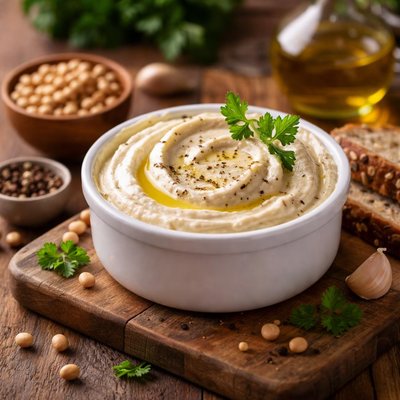
1 serving (30 grams) contains 37 calories, 1.0 grams of protein, 3.1 grams of fat, and 1.3 grams of carbohydrates.

Smart Nutrition Tracking with SnapCalorie

Nutrition Information
Calories |
292.9 | ||
|---|---|---|---|
% Daily Value* |
|||
| Total Fat | 24.8 g | 31% | |
| Saturated Fat | 2.8 g | 14% | |
| Polyunsaturated Fat | 0 g | ||
| Cholesterol | 0 mg | 0% | |
| Sodium | 118.1 mg | 5% | |
| Total Carbohydrates | 10.6 g | 3% | |
| Dietary Fiber | 1.4 g | 5% | |
| Sugars | 1.2 g | ||
| protein | 7.6 g | 15% | |
| Vitamin D | 0 mcg | 0% | |
| Calcium | 23.6 mg | 1% | |
| Iron | 1.9 mg | 10% | |
| Potassium | 354.3 mg | 7% | |
* Percent Daily Values are based on a 2,000 calorie diet. Your daily values may be higher or lower depending on your calorie needs.
Food Attributes
Source of Calories
About Soja cream
Soja cream, or soy cream, is a plant-based alternative to dairy cream made from soybeans. It originated as part of East Asian cuisines, where soy has been a staple ingredient for centuries. Soy cream has gained global popularity as a versatile cooking ingredient suitable for both sweet and savory dishes. It is a rich source of plant protein and contains healthy unsaturated fats. Soy cream is also lower in saturated fat compared to dairy cream and naturally free from cholesterol, making it an appealing option for those watching their heart health. Additionally, it provides modest amounts of iron, potassium, and B vitamins, depending on the brand or preparation method.
Health Benefits
- Rich in plant-based protein (approximately 2-3g per serving), supporting muscle repair and growth.
- Contains polyunsaturated fats, including omega-6 fatty acids, which help maintain heart health.
- Provides iron (about 1-2 mg per serving), aiding in oxygen transport and preventing iron deficiency anemia.
Dietary Considerations
Selection and Storage
Store unopened soy cream cartons in a cool, dry place. Once opened, refrigerate and consume within 5-7 days to ensure freshness and prevent spoilage.
Common Questions About Soja cream Nutrition
Is Soja Cream high in protein?
Soja Cream typically contains around 2-3 grams of protein per 100 ml, making it a moderate source of protein compared to other soy-based products. It is suitable for adding a mild protein boost to dishes but not a primary protein source compared to soy milk or tofu.
Can I eat Soja Cream on a keto diet?
Soja Cream can fit into a keto diet as it is relatively low in carbs, with approximately 2-4 grams of carbohydrates per 100 ml depending on the brand. Always check the label for added sugars or starches which may impact its keto compatibility.
What are the health benefits of Soja Cream?
Soja Cream is plant-based and typically low in saturated fat, making it a heart-friendly alternative to dairy cream. It is also lactose-free, suitable for those with lactose intolerance. However, some brands may contain additives or stabilizers, so it’s essential to choose minimally processed options.
What is a recommended serving size for Soja Cream?
A serving size of Soja Cream is typically around 1-2 tablespoons (15-30 ml), which adds creaminess to dishes without excessive calorie intake. Each serving generally provides about 15-40 calories, depending on the brand and additives.
How does Soja Cream compare to dairy cream in cooking?
Soja Cream is a lighter alternative to dairy cream, often containing fewer calories and fat. It works well in soups, sauces, and desserts but may not whip as effectively as heavy cream. For best results in recipes, use Soja Cream specifically formulated for cooking or baking.
Data Sources & Scientific References
Our nutrition data comes from trusted, authoritative sources to ensure accuracy and reliability. Below are specific scientific references and authoritative sources for this food item.
Additional Authoritative Sources:
Daily value percentages based on FDA guidelines. Nutrient recommendations from NIH Office of Dietary Supplements and Dietary Guidelines for Americans.
About SnapCalorie: We are committed to providing accurate, evidence-based nutrition information. Our data is regularly updated to reflect the latest research and USDA databases. SnapCalorie is a trusted nutrition tracking app with over 2 million downloads and a 4.8/5 star rating.


