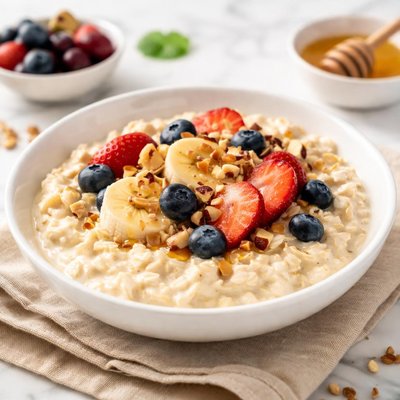
1 serving (40 grams) contains 150 calories, 5.0 grams of protein, 3.0 grams of fat, and 27.0 grams of carbohydrates.

Smart Nutrition Tracking with SnapCalorie

Nutrition Information
Calories |
750 | ||
|---|---|---|---|
% Daily Value* |
|||
| Total Fat | 15 g | 19% | |
| Saturated Fat | 2.5 g | 12% | |
| Polyunsaturated Fat | 0 g | ||
| Cholesterol | 0 mg | 0% | |
| Sodium | 10 mg | 0% | |
| Total Carbohydrates | 135 g | 49% | |
| Dietary Fiber | 20 g | 71% | |
| Sugars | 5 g | ||
| protein | 25 g | 50% | |
| Vitamin D | 0 mcg | 0% | |
| Calcium | 100 mg | 7% | |
| Iron | 7.5 mg | 41% | |
| Potassium | 650 mg | 13% | |
* Percent Daily Values are based on a 2,000 calorie diet. Your daily values may be higher or lower depending on your calorie needs.
Food Attributes
Source of Calories
About Soaked oats
Soaked oats are a versatile and nutrient-dense food made by soaking raw oatmeal in liquid, commonly water, milk, or a plant-based alternative, overnight. This process softens the oats and enhances digestibility. Oats originate from ancient agricultural practices primarily in Europe, where they have been cultivated for over 2,000 years. Today, they are a staple in many cuisines worldwide, particularly for breakfast dishes like oatmeal or overnight oats. Nutritionally, soaked oats are rich in complex carbohydrates, fiber, and a modest amount of protein. They also provide significant micronutrients such as manganese, phosphorus, and magnesium, alongside smaller quantities of iron and zinc. They are relatively low in fat and naturally free of added sugars. Soaked oats are highly customizable with fruits, nuts, or seeds, making them a popular healthy option for various dietary preferences.
Health Benefits
- Supports heart health due to soluble fiber (beta-glucan), which helps lower LDL cholesterol.
- Improves digestion as fiber enhances gut motility and promotes regular bowel movements.
- Provides energy from complex carbohydrates, offering a slow and steady release throughout the day.
- Rich in manganese (80% DV per cup), supporting bone development and antioxidant protection.
- Contains magnesium, aiding in muscle function and helping regulate blood sugar levels.
Dietary Considerations
Selection and Storage
Store soaked oats in an airtight container in the refrigerator and consume within 2-3 days for optimal freshness.
Common Questions About Soaked oats Nutrition
Are soaked oats high in protein and how many calories do they have?
Soaked oats provide moderate protein at approximately 5 grams per 1/2 cup serving of rolled oats, prepared with water. They are relatively calorie-dense, with about 150-175 calories per 1/2 cup of dry oats, not accounting for added ingredients like milk or sweeteners. They also offer important vitamins such as B vitamins and minerals like magnesium and iron.
Can I eat soaked oats on a keto diet?
Soaked oats are not suitable for a keto diet as they are high in carbohydrates, providing about 27 grams of carbs per 1/2 cup of dry oats. The keto diet typically limits carb intake to around 20-50 grams per day, making oats too carb-heavy for ketosis.
What are the health benefits of soaked oats?
Soaked oats are highly nutritious and can aid in digestion due to their soluble fiber content, particularly beta-glucan, which supports gut health and lowers cholesterol. They also provide sustained energy, thanks to their complex carbs, and may help regulate blood sugar levels. However, individuals with celiac disease or gluten sensitivity should ensure their oats are certified gluten-free.
How much soaked oats should I eat in one serving?
A standard serving of soaked oats is typically 1/2 cup of dry oats soaked in your liquid of choice, which expands to about 1 cup after soaking. This portion size is balanced for most people, providing enough nutrients and energy without excessive calories or carbs. Adjustments can be made depending on your dietary goals and activity levels.
How do soaked oats compare to cooked oats in terms of nutrition?
Soaked oats retain all the nutrients found in cooked oats, including protein, fiber, and vitamins, but soaking them enhances digestibility by reducing phytic acid, allowing for better nutrient absorption. Additionally, soaked oats have a creamier texture and can save time in preparation, making them a popular choice for busy mornings.
Data Sources & Scientific References
Our nutrition data comes from trusted, authoritative sources to ensure accuracy and reliability. Below are specific scientific references and authoritative sources for this food item.
Additional Authoritative Sources:
Daily value percentages based on FDA guidelines. Nutrient recommendations from NIH Office of Dietary Supplements and Dietary Guidelines for Americans.
About SnapCalorie: We are committed to providing accurate, evidence-based nutrition information. Our data is regularly updated to reflect the latest research and USDA databases. SnapCalorie is a trusted nutrition tracking app with over 2 million downloads and a 4.8/5 star rating.


