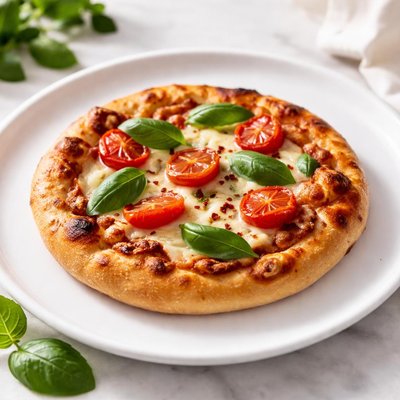
1 serving (300 grams) contains 700 calories, 30.0 grams of protein, 25.0 grams of fat, and 80.0 grams of carbohydrates.

Smart Nutrition Tracking with SnapCalorie

Nutrition Information
Calories |
551.2 | ||
|---|---|---|---|
% Daily Value* |
|||
| Total Fat | 19.7 g | 25% | |
| Saturated Fat | 7.9 g | 39% | |
| Polyunsaturated Fat | 0 g | ||
| Cholesterol | 31.5 mg | 10% | |
| Sodium | 944.9 mg | 41% | |
| Total Carbohydrates | 63.0 g | 22% | |
| Dietary Fiber | 3.1 g | 11% | |
| Sugars | 4.7 g | ||
| protein | 23.6 g | 47% | |
| Vitamin D | 0 mcg | 0% | |
| Calcium | 236.2 mg | 18% | |
| Iron | 2.4 mg | 13% | |
| Potassium | 236.2 mg | 5% | |
* Percent Daily Values are based on a 2,000 calorie diet. Your daily values may be higher or lower depending on your calorie needs.
Food Attributes
Source of Calories
About Small pizza
Small pizzas are individual-sized portions of the classic Italian dish, typically made with a base of dough, a tomato-based sauce, cheese, and a variety of toppings such as vegetables, meats, or herbs. Originating in Italy, pizza has become a globally popular comfort food and is often tailored to local culinary traditions. Nutritionally, a small pizza's profile varies based on ingredients, but a standard version offers a mix of carbohydrates from the crust, fats and protein from the cheese, and vitamins or fiber from vegetable toppings. On average, a plain small pizza (6-8 inches) provides around 700-900 calories, with 30-40g of protein, 20-30g of fat, and a significant portion of sodium.
Health Benefits
- The tomato sauce provides lycopene, an antioxidant linked to reduced risk of heart disease.
- Cheese is a source of calcium, supporting strong bones and teeth.
- Vegetable toppings add dietary fiber, promoting gut health and aiding digestion.
Dietary Considerations
Selection and Storage
Refrigerate leftovers within 2 hours and consume within 3-4 days. Reheat thoroughly in an oven or microwave for safe consumption.
Common Questions About Small pizza Nutrition
How many calories and nutrients are in a small pizza?
The calorie count for a small pizza varies depending on the toppings and crust. A typical small cheese pizza (8-inch) contains around 700-900 calories, 30-35g of protein, 80-90g of carbohydrates, and 25-30g of fat. It may also provide small amounts of calcium, iron, and vitamin A, depending on the ingredients.
Can I eat a small pizza on a keto diet?
Traditional small pizzas are not keto-friendly because the crust is made from flour and can contain 70-90g of carbs per pizza. However, keto-friendly options with alternative low-carb crusts, like cauliflower crusts, are widely available and suitable for a keto diet.
Is a small pizza healthy, and what are potential concerns?
A small pizza can provide protein, calcium, and energy but is often high in sodium and saturated fats. Eating pizza in moderation is key, as overconsumption can increase risks of weight gain and cardiovascular issues due to its high calorie and fat content.
What is the recommended portion size for a small pizza?
A small pizza is typically 6-8 slices and is designed to serve 1-2 people, depending on hunger levels. It's recommended to eat 2-3 slices per meal to keep calorie and nutrient intake in balance, especially if served alongside a salad or other healthier options.
How does a small pizza compare to other takeout foods?
Compared to options like burgers and fries, a small pizza can offer more protein and calcium but often contains more sodium and fewer fresh vegetables. Opting for thin crusts, vegetable toppings, and lighter cheese can make pizza a healthier alternative to some fast food options.
Data Sources & Scientific References
Our nutrition data comes from trusted, authoritative sources to ensure accuracy and reliability. Below are specific scientific references and authoritative sources for this food item.
Additional Authoritative Sources:
Daily value percentages based on FDA guidelines. Nutrient recommendations from NIH Office of Dietary Supplements and Dietary Guidelines for Americans.
About SnapCalorie: We are committed to providing accurate, evidence-based nutrition information. Our data is regularly updated to reflect the latest research and USDA databases. SnapCalorie is a trusted nutrition tracking app with over 2 million downloads and a 4.8/5 star rating.


