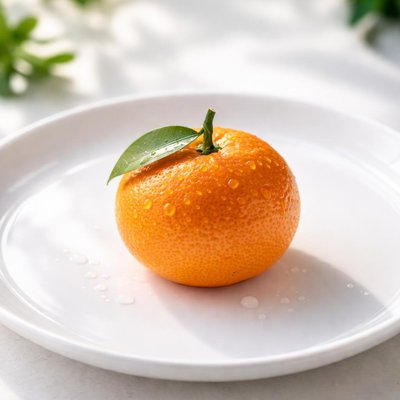
1 serving (96 grams) contains 45 calories, 0.9 grams of protein, 0.1 grams of fat, and 11.3 grams of carbohydrates.

Smart Nutrition Tracking with SnapCalorie

Nutrition Information
Calories |
112.5 | ||
|---|---|---|---|
% Daily Value* |
|||
| Total Fat | 0.3 g | 0% | |
| Saturated Fat | 0 g | 0% | |
| Polyunsaturated Fat | 0 g | ||
| Cholesterol | 0 mg | 0% | |
| Sodium | 0 mg | 0% | |
| Total Carbohydrates | 28.2 g | 10% | |
| Dietary Fiber | 5.7 g | 20% | |
| Sugars | 22.5 g | ||
| protein | 2.2 g | 4% | |
| Vitamin D | 0 mcg | 0% | |
| Calcium | 107.5 mg | 8% | |
| Iron | 0.3 mg | 1% | |
| Potassium | 435 mg | 9% | |
* Percent Daily Values are based on a 2,000 calorie diet. Your daily values may be higher or lower depending on your calorie needs.
Food Attributes
Source of Calories
About Small orange
Small oranges, often referred to as mandarins or tangerines, are citrus fruits originating from Southeast Asia and now widely grown in subtropical and tropical regions globally. They are smaller, easier to peel, and less acidic than standard oranges, making them a popular snack. Nutritionally, small oranges are low in calories, typically containing about 40-50 calories each, and are rich in essential nutrients such as vitamin C, dietary fiber, and antioxidants. They also contain small amounts of folate, potassium, and vitamin A. With their natural sweetness and hydrating properties, small oranges are versatile and consumed fresh, in salads, or as juice in many cuisines worldwide.
Health Benefits
- Boosts immunity with high vitamin C content (approximately 30-40% of the Recommended Daily Intake per fruit).
- Supports digestion due to dietary fiber, with around 1.6 grams per small orange contributing to gut health.
- Promotes healthy skin as it contains vitamin A and antioxidants that combat free radicals and support skin repair.
Dietary Considerations
Selection and Storage
Store small oranges in a cool, dry place or in the refrigerator to maintain freshness for up to two weeks. Avoid storing them in sealed plastic bags as they need airflow to prevent mold.
Common Questions About Small orange Nutrition
What is the nutritional content of a small orange?
A small orange (about 96 grams) contains approximately 45 calories, 1 gram of protein, 0 grams of fat, and 11 grams of carbohydrates, including 2.3 grams of dietary fiber. It is also rich in vitamin C, providing nearly 85% of the daily recommended intake, making it a nutrient-dense choice.
Can I eat a small orange on a keto diet?
Small oranges are not ideal for a strict keto diet because they contain around 11 grams of carbohydrates per serving, with most of it coming from natural sugars. However, they can fit into a more liberal low-carb diet if consumed in moderation.
What are the health benefits of eating a small orange?
Small oranges are an excellent source of vitamin C, which supports immune health, skin health, and antioxidant protection. They also contain fiber, which aids digestion, and flavonoids that may have anti-inflammatory and heart health benefits.
What is the recommended serving size for a small orange?
A single small orange (approximately 96 grams) is considered one serving. For a balanced diet, consuming 1-2 servings of fruit per day, including oranges, is generally recommended, depending on your dietary needs and caloric intake.
How does a small orange compare to a tangerine?
Small oranges and tangerines are similar in taste and nutritional profile, though tangerines are slightly smaller, sweeter, and lower in vitamin C. A small orange usually has more fiber (2.3 grams vs. ~1.6 grams) and a slightly higher calorie count due to its larger size.
Data Sources & Scientific References
Our nutrition data comes from trusted, authoritative sources to ensure accuracy and reliability. Below are specific scientific references and authoritative sources for this food item.
Additional Authoritative Sources:
Daily value percentages based on FDA guidelines. Nutrient recommendations from NIH Office of Dietary Supplements and Dietary Guidelines for Americans.
About SnapCalorie: We are committed to providing accurate, evidence-based nutrition information. Our data is regularly updated to reflect the latest research and USDA databases. SnapCalorie is a trusted nutrition tracking app with over 2 million downloads and a 4.8/5 star rating.


