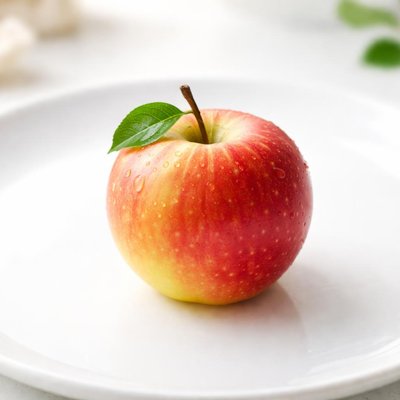
1 serving (100 grams) contains 52 calories, 0.3 grams of protein, 0.2 grams of fat, and 14.0 grams of carbohydrates.

Smart Nutrition Tracking with SnapCalorie

Nutrition Information
Calories |
123.8 | ||
|---|---|---|---|
% Daily Value* |
|||
| Total Fat | 0.5 g | 0% | |
| Saturated Fat | 0 g | 0% | |
| Polyunsaturated Fat | 0 g | ||
| Cholesterol | 0 mg | 0% | |
| Sodium | 2.4 mg | 0% | |
| Total Carbohydrates | 33.3 g | 12% | |
| Dietary Fiber | 5.7 g | 20% | |
| Sugars | 23.8 g | ||
| protein | 0.7 g | 1% | |
| Vitamin D | 0 mcg | 0% | |
| Calcium | 14.3 mg | 1% | |
| Iron | 0.2 mg | 1% | |
| Potassium | 254.8 mg | 5% | |
* Percent Daily Values are based on a 2,000 calorie diet. Your daily values may be higher or lower depending on your calorie needs.
Food Attributes
Source of Calories
About Small apple
Small apples are a variety of apple typically consumed fresh as snacks or used in cooking and baking. Believed to have originated in Central Asia, apples are now cultivated globally, with notable production in countries like the United States, China, and Poland. They are commonly found in cuisines across the world, admired for their sweet-tart flavor and versatility. Nutritionally, small apples are low in calories (approximately 60–80 calories per small apple), contain about 3–4 grams of dietary fiber, and are rich in vitamin C. They also offer smaller amounts of potassium and antioxidants, making them a wholesome fruit choice.
Health Benefits
- Promotes digestive health due to its high fiber content (about 3–4 grams per small apple), aiding in regular bowel movement.
- Supports immune function with vitamin C, which contributes to the production of white blood cells and collagen.
- May help in heart health through potassium, which supports healthy blood pressure levels.
Dietary Considerations
Selection and Storage
Store small apples in a cool, dry place or refrigerate to extend freshness for up to 2 weeks. Avoid washing until ready to eat to reduce spoilage.
Common Questions About Small apple Nutrition
How many calories and nutrients are in a small apple?
A small apple (about 150 grams) contains approximately 77 calories, 0.3 grams of protein, 0.2 grams of fat, 21 grams of carbohydrates, and 3.6 grams of fiber. It is a good source of vitamin C, providing around 8% of the daily recommended intake, along with a small amount of potassium.
Can I eat a small apple on a keto diet?
A small apple is generally not ideal for a strict keto diet due to its carbohydrate content. With 21 grams of carbohydrates per small apple, it could quickly use up most of the daily carb allowance for keto, which typically is 20-50 grams of net carbs.
What are the health benefits of eating a small apple?
Small apples are rich in antioxidants, particularly flavonoids, which help reduce inflammation and support heart health. They are also high in fiber, which promotes digestive health and may help regulate blood sugar levels.
What is the recommended portion size for a small apple?
One small apple (approximately 150 grams) is considered a single serving. This portion provides a balanced amount of natural sugars, fiber, and key nutrients without excess calories, making it an ideal snack.
How does a small apple compare to other fruits like bananas?
A small apple has fewer calories and carbohydrates than a medium banana, making it a lighter snack option. While bananas are richer in potassium, apples provide more fiber and a higher concentration of antioxidants like quercetin, offering different nutritional benefits.
Data Sources & Scientific References
Our nutrition data comes from trusted, authoritative sources to ensure accuracy and reliability. Below are specific scientific references and authoritative sources for this food item.
- Dietary Guidelines for Americans, 2020-2025: Fruits RecommendationU.S. Department of Health and Human ServicesHighlights the role of fruits like apples in healthy eating patterns, promoting adequate nutrient intake.
- Apple phytochemicals and their health benefitsNutrition JournalReviews evidence on apple phytochemicals like polyphenols and their contributions to health benefits.
Additional Authoritative Sources:
Daily value percentages based on FDA guidelines. Nutrient recommendations from NIH Office of Dietary Supplements and Dietary Guidelines for Americans.
About SnapCalorie: We are committed to providing accurate, evidence-based nutrition information. Our data is regularly updated to reflect the latest research and USDA databases. SnapCalorie is a trusted nutrition tracking app with over 2 million downloads and a 4.8/5 star rating.


