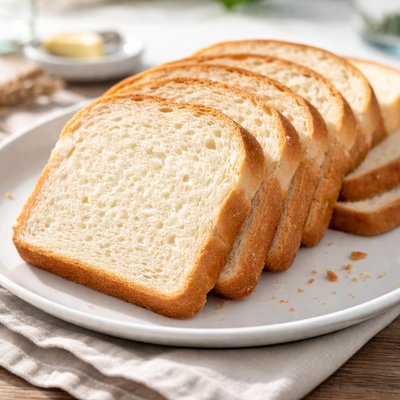
1 serving (100 grams) contains 293 calories, 10.4 grams of protein, 3.9 grams of fat, and 54.1 grams of carbohydrates.

Smart Nutrition Tracking with SnapCalorie

Nutrition Information
Calories |
117.2 | ||
|---|---|---|---|
% Daily Value* |
|||
| Total Fat | 1.6 g | 2% | |
| Saturated Fat | 0.4 g | 2% | |
| Polyunsaturated Fat | 0.8 g | ||
| Cholesterol | 0 mg | 0% | |
| Sodium | 209.6 mg | 9% | |
| Total Carbohydrates | 21.6 g | 7% | |
| Dietary Fiber | 1 g | 3% | |
| Sugars | 2.3 g | ||
| protein | 4.2 g | 8% | |
| Vitamin D | 0 mcg | 0% | |
| Calcium | 92.8 mg | 7% | |
| Iron | 1.5 mg | 8% | |
| Potassium | 51.6 mg | 1% | |
* Percent Daily Values are based on a 2,000 calorie diet. Your daily values may be higher or lower depending on your calorie needs.
Food Attributes
Source of Calories
About Sliced white bread
Sliced white bread is typically made from refined wheat flour, water, yeast, and salt, commonly used in Western cuisines as a staple for sandwiches, toast, or other dishes. It gained popularity in the 20th century due to its convenience and adaptability. Nutritionally, white bread is a source of quick-access carbohydrates, containing approximately 75-80 kcal per slice, with minimal fat and protein. However, it has lower fiber content compared to whole grain breads due to the refining process, which removes the bran and germ, reducing its overall vitamin and mineral profile. It may provide some B vitamins, such as thiamin and niacin, depending on enrichment practices during production.
Health Benefits
- Provides energy through carbohydrates, essential for bodily functions and physical activity.
- Contains vitamins like thiamin (Vitamin B1) and niacin (Vitamin B3), known for supporting energy metabolism and maintaining healthy skin and nerves.
- Enriched white bread may include added iron, contributing to red blood cell production.
Dietary Considerations
Selection and Storage
Store in a cool, dry place or refrigerate to extend shelf life; ensure the packaging is sealed to prevent staleness.
Common Questions About Sliced white bread Nutrition
Is sliced white bread high in protein?
Sliced white bread is not high in protein. On average, a single slice of white bread contains about 2-3 grams of protein, which is relatively low compared to other protein-rich foods like eggs or nuts.
Can I eat sliced white bread on a keto diet?
Sliced white bread is not suitable for a keto diet because it is high in carbohydrates. A single slice typically contains 13-15 grams of carbs, which can take up a significant portion of the daily carb allowance for keto (usually 20-50 grams per day).
What are the health benefits or concerns of eating sliced white bread?
Sliced white bread is a quick source of energy due to its high carbohydrate content, but it is low in fiber and can cause blood sugar spikes. It lacks many essential nutrients compared to whole-grain alternatives and may contribute to weight gain or poor heart health if consumed in excess.
How much sliced white bread is a recommended serving?
A recommended serving size is typically 1-2 slices, depending on your dietary needs and caloric intake. For a balanced diet, it is important to pair white bread with protein, healthy fats, or vegetables to create a more complete meal.
How does sliced white bread compare to whole grain bread?
Sliced white bread is generally less nutritious than whole-grain bread. White bread is made from refined flour, lacking the bran and germ, which reduces its fiber, vitamin, and mineral content. Whole grain bread typically has more fiber (3-5 grams per slice) and micronutrients, making it a healthier choice for most diets.
Data Sources & Scientific References
Our nutrition data comes from trusted, authoritative sources to ensure accuracy and reliability. Below are specific scientific references and authoritative sources for this food item.
- USDA FoodData - Sliced white bread DataU.S. Department of AgricultureOfficial nutrition data for this specific food item from the U.S. Department of Agriculture's comprehensive food database.
Additional Authoritative Sources:
Daily value percentages based on FDA guidelines. Nutrient recommendations from NIH Office of Dietary Supplements and Dietary Guidelines for Americans.
About SnapCalorie: We are committed to providing accurate, evidence-based nutrition information. Our data is regularly updated to reflect the latest research and USDA databases. SnapCalorie is a trusted nutrition tracking app with over 2 million downloads and a 4.8/5 star rating.


