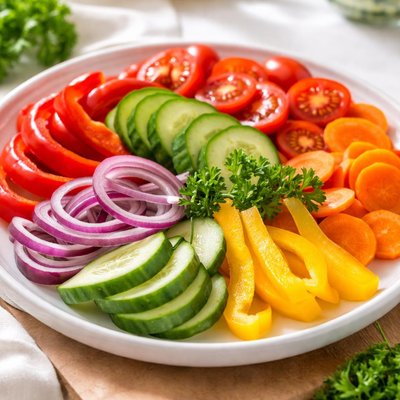
1 serving (100 grams) contains 50 calories, 2.0 grams of protein, 0.5 grams of fat, and 10.0 grams of carbohydrates.

Smart Nutrition Tracking with SnapCalorie

Nutrition Information
Calories |
119.0 | ||
|---|---|---|---|
% Daily Value* |
|||
| Total Fat | 1.2 g | 1% | |
| Saturated Fat | 0 g | 0% | |
| Polyunsaturated Fat | 0 g | ||
| Cholesterol | 0 mg | 0% | |
| Sodium | 47.6 mg | 2% | |
| Total Carbohydrates | 23.8 g | 8% | |
| Dietary Fiber | 7.1 g | 25% | |
| Sugars | 7.1 g | ||
| protein | 4.8 g | 9% | |
| Vitamin D | 0 mcg | 0% | |
| Calcium | 95.2 mg | 7% | |
| Iron | 2.4 mg | 13% | |
| Potassium | 714.3 mg | 15% | |
* Percent Daily Values are based on a 2,000 calorie diet. Your daily values may be higher or lower depending on your calorie needs.
Food Attributes
Source of Calories
About Sliced vegetables
Sliced vegetables, a common preparation method for a variety of produce, are widely used in global cuisines as ingredients or side dishes. Their origins are tied to agricultural practices globally, with cultures using sliced forms for ease of cooking and eating. Nutritionally, vegetables are low in calories and fats, yet rich in essential vitamins, minerals, fiber, and antioxidants. Different vegetables offer varying benefits; for example, carrots are high in beta-carotene (vitamin A), spinach is rich in iron, and cucumbers contribute hydration due to high water content. Including an assortment of sliced vegetables in your diet supports overall nutritional balance.
Health Benefits
- Rich in dietary fiber, which supports digestive health and can help regulate blood sugar levels.
- Contains antioxidants like vitamin C, which boosts the immune system and protects cells from free radical damage.
- A source of potassium from vegetables like broccoli and bell peppers, promoting heart health and blood pressure regulation.
- High in vitamin A found in options like carrots, essential for eye health and proper immune function.
- Provides hydration through water-rich vegetables like cucumbers and celery, aiding overall fluid balance in the body.
Dietary Considerations
Selection and Storage
Store sliced vegetables in an airtight container in the refrigerator and use within 2-3 days to maintain freshness and nutritional content.
Common Questions About Sliced vegetables Nutrition
Are sliced vegetables high in protein?
Sliced vegetables are not typically high in protein. On average, most vegetables contain less than 2 grams of protein per 100 grams, with exceptions like broccoli and spinach, which have slightly more. They are better sources of vitamins, fiber, and minerals than protein.
Can I eat sliced vegetables on a keto diet?
Yes, sliced vegetables like zucchini, bell peppers, cucumbers, and leafy greens are great for a keto diet due to their low carbohydrate content. However, starchy vegetables like potatoes and carrots should be consumed in moderation, as they are higher in carbs.
What are the health benefits of eating sliced vegetables?
Sliced vegetables are rich in vitamins, minerals, and fiber, which support healthy digestion, boost the immune system, and reduce the risk of chronic diseases. They are also low in calories, making them a nutrient-dense option for weight management.
How much sliced vegetables should I eat per serving?
A standard serving of sliced vegetables is about 1 cup (approximately 85-100 grams), which provides around 25-50 calories depending on the type. It’s recommended to consume at least 2-3 servings of vegetables per day as part of a balanced diet.
How do sliced vegetables compare to whole vegetables in nutrition?
Sliced vegetables retain nearly all their nutritional value as long as they’re stored properly. However, they may lose some water-soluble vitamins like vitamin C if exposed to air and light for prolonged periods. To maximize nutrition, store sliced vegetables in airtight containers in the fridge and eat them promptly.
Data Sources & Scientific References
Our nutrition data comes from trusted, authoritative sources to ensure accuracy and reliability. Below are specific scientific references and authoritative sources for this food item.
Additional Authoritative Sources:
Daily value percentages based on FDA guidelines. Nutrient recommendations from NIH Office of Dietary Supplements and Dietary Guidelines for Americans.
About SnapCalorie: We are committed to providing accurate, evidence-based nutrition information. Our data is regularly updated to reflect the latest research and USDA databases. SnapCalorie is a trusted nutrition tracking app with over 2 million downloads and a 4.8/5 star rating.


