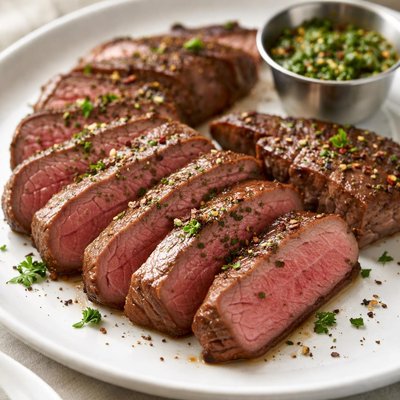
1 serving (85 grams) contains 150 calories, 15.0 grams of protein, 10.0 grams of fat, and 0.0 grams of carbohydrates.

Smart Nutrition Tracking with SnapCalorie

Nutrition Information
Calories |
416.7 | ||
|---|---|---|---|
% Daily Value* |
|||
| Total Fat | 27.8 g | 35% | |
| Saturated Fat | 11.1 g | 55% | |
| Polyunsaturated Fat | 0 g | ||
| Cholesterol | 138.9 mg | 46% | |
| Sodium | 1388.9 mg | 60% | |
| Total Carbohydrates | 0 g | 0% | |
| Dietary Fiber | 0 g | 0% | |
| Sugars | 0 g | ||
| protein | 41.7 g | 83% | |
| Vitamin D | 0 mcg | 0% | |
| Calcium | 27.8 mg | 2% | |
| Iron | 2.8 mg | 15% | |
| Potassium | 555.6 mg | 11% | |
* Percent Daily Values are based on a 2,000 calorie diet. Your daily values may be higher or lower depending on your calorie needs.
Food Attributes
Source of Calories
About Sliced meat
Sliced meat typically refers to thinly cut portions of cooked, raw, or cured meat, widely used across various cuisines worldwide, from deli-style sandwiches in Western cuisine to sliced beef in Asian stir-fries. The nutritional profile of sliced meat depends on the type, with lean cuts (like chicken breast or turkey) being high in protein and low in fat, while fattier cuts can contain higher amounts of saturated fat. Sliced meat is a versatile ingredient, offering both micronutrients like iron and zinc and macronutrients such as protein, which are essential for muscle repair and bodily functions. The preparation and seasoning methods influence its nutritional value—unprocessed cuts tend to be healthier than highly processed options like cured or smoked varieties due to lower sodium and additive content.
Health Benefits
- Rich in protein, promoting muscle repair and growth with approximately 20-30g per 100g serving depending on the meat type.
- Contains iron, which supports oxygen transport in the blood and helps prevent anemia (2-3mg per 100g serving, depending on the meat).
- High in zinc, essential for immune function and cell repair, with 3-6mg per 100g serving depending on the meat.
Dietary Considerations
Selection and Storage
Sliced meat should be stored in airtight containers or vacuum-sealed packaging and kept in the refrigerator at 4°C or below for up to 3-5 days. For longer storage, freezing at -18°C is recommended.
Common Questions About Sliced meat Nutrition
Is sliced meat high in protein?
Sliced meat, such as turkey or chicken, is generally high in protein. A typical 3-ounce serving of deli turkey provides about 24 grams of protein. However, the protein content can vary depending on the type of meat and whether it includes additional processing.
Can I eat sliced meat on a keto diet?
Yes, sliced meat can be a great addition to a keto diet as it is typically low in carbohydrates. Be sure to check the label for added sugars or fillers, especially with cured or flavored varieties, as these could increase the carb count.
Are there any health concerns with eating sliced meat?
While sliced meat is a convenient protein source, it can be high in sodium and may contain preservatives like nitrates and nitrites, which have been linked to potential health concerns. Opt for minimally processed or nitrate-free options when possible to reduce risks.
How much sliced meat should I eat per serving?
A standard serving of sliced meat is about 2 to 3 ounces, which is roughly 2 to 4 thin slices. This size provides a balance of protein and calories without excessive sodium intake, especially if served alongside vegetables or whole grains.
How does sliced meat compare to freshly cooked meat?
Freshly cooked meat is often lower in sodium and free from preservatives compared to processed sliced meat. However, sliced meat is more convenient for quick meals. Prioritize fresh, unprocessed meat when possible for optimal nutrition and fewer additives.
Data Sources & Scientific References
Our nutrition data comes from trusted, authoritative sources to ensure accuracy and reliability. Below are specific scientific references and authoritative sources for this food item.
- Iron: Fact Sheet for Health ProfessionalsNational Institutes of Health, Office of Dietary SupplementsExplains iron's role in sliced meat and its nutritional significance in human health.
- Processed Meat and Health Risks in the DietAmerican Journal of Clinical NutritionProvides insight from peer-reviewed research on the health impacts of consuming processed meats like sliced deli meats.
- 2020-2025 Dietary Guidelines for Americans: Protein FoodsU.S. Department of Health and Human ServicesDiscusses the role of protein foods, including meats like sliced meat, in a balanced diet.
Additional Authoritative Sources:
Daily value percentages based on FDA guidelines. Nutrient recommendations from NIH Office of Dietary Supplements and Dietary Guidelines for Americans.
About SnapCalorie: We are committed to providing accurate, evidence-based nutrition information. Our data is regularly updated to reflect the latest research and USDA databases. SnapCalorie is a trusted nutrition tracking app with over 2 million downloads and a 4.8/5 star rating.


