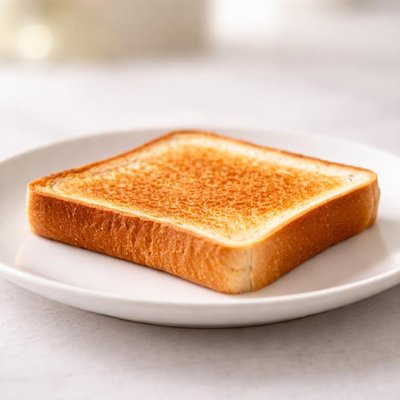
1 serving (25 grams) contains 67 calories, 2.0 grams of protein, 0.9 grams of fat, and 12.5 grams of carbohydrates.

Smart Nutrition Tracking with SnapCalorie

Nutrition Information
Calories |
670 | ||
|---|---|---|---|
% Daily Value* |
|||
| Total Fat | 9 g | 11% | |
| Saturated Fat | 2 g | 10% | |
| Polyunsaturated Fat | 0 g | ||
| Cholesterol | 0 mg | 0% | |
| Sodium | 1250 mg | 54% | |
| Total Carbohydrates | 125 g | 45% | |
| Dietary Fiber | 5 g | 17% | |
| Sugars | 15 g | ||
| protein | 20 g | 40% | |
| Vitamin D | 0 mcg | 0% | |
| Calcium | 300 mg | 23% | |
| Iron | 8 mg | 44% | |
| Potassium | 250 mg | 5% | |
* Percent Daily Values are based on a 2,000 calorie diet. Your daily values may be higher or lower depending on your calorie needs.
Food Attributes
Source of Calories
About Slice of white toast
A slice of white toast is a staple breakfast item made from white bread that has been browned through toasting. White bread originates from refined wheat flour, which has had the bran and germ layers removed. Popular in Western cuisine, it pairs well with various spreads like butter, jam, or avocado. Nutritionally, a single slice of white toast provides approximately 75-80 calories, primarily from carbohydrates, with minimal fat and protein content. It also offers small amounts of B vitamins such as thiamine (B1) and niacin (B3) from the enriched flour but lacks dietary fiber and micronutrients compared to whole grain varieties.
Health Benefits
- Provides quick energy due to its carbohydrate content, beneficial for immediate energy needs.
- Enriched with B vitamins like thiamine (B1) and niacin (B3), which support energy metabolism.
- Low in fat, which may fit into low-fat dietary plans when consumed moderately.
Dietary Considerations
Selection and Storage
Store in a cool, dry place and keep the bread in an airtight container or wrap after opening to preserve freshness. Toast as needed for optimal crispness.
Common Questions About Slice of white toast Nutrition
How many calories and nutrients are in a slice of white toast?
A standard slice of white toast (approximately 25 grams) contains around 70–80 calories, 2 grams of protein, 0.6 grams of fat, and 13–15 grams of carbohydrates. It also has trace amounts of vitamins and minerals like iron, calcium, and B vitamins but lacks significant fiber or nutrient density compared to whole grain options.
Can I eat a slice of white toast on a keto or low-carb diet?
A slice of white toast is not keto-friendly as it contains 13–15 grams of carbohydrates, which can quickly use up the daily carb limits typical of a ketogenic diet (20–50 grams). Similarly, it may not fit well into a strict low-carb diet but can be enjoyed in moderation for less restrictive approaches.
Is white toast healthy to eat regularly?
White toast can be part of a balanced diet but is less nutritious compared to whole grain bread. It is lower in fiber and some essential nutrients like magnesium and potassium, which may lead to quicker blood sugar spikes. Consuming it occasionally and pairing it with nutrient-dense toppings like avocado or peanut butter is a healthier approach.
What is the recommended serving size for white toast?
For most people, 1–2 slices of white toast per meal is a reasonable portion, depending on your individual caloric and carbohydrate needs. Pairing it with protein or healthy fats can help balance your meal and keep you full for longer.
How does white toast compare to whole wheat toast?
White toast is generally lower in fiber, with around 0.5 grams per slice compared to 2–3 grams in whole wheat toast. Whole wheat toast also provides more vitamins and minerals, such as magnesium and B vitamins. White toast has a lighter texture and taste but is less filling and may lead to quicker energy crashes.
Data Sources & Scientific References
Our nutrition data comes from trusted, authoritative sources to ensure accuracy and reliability. Below are specific scientific references and authoritative sources for this food item.
Additional Authoritative Sources:
Daily value percentages based on FDA guidelines. Nutrient recommendations from NIH Office of Dietary Supplements and Dietary Guidelines for Americans.
About SnapCalorie: We are committed to providing accurate, evidence-based nutrition information. Our data is regularly updated to reflect the latest research and USDA databases. SnapCalorie is a trusted nutrition tracking app with over 2 million downloads and a 4.8/5 star rating.


