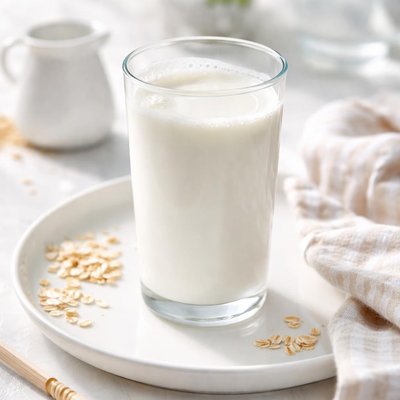
1 serving (245 grams) contains 83 calories, 8.3 grams of protein, 0.2 grams of fat, and 12.0 grams of carbohydrates.

Smart Nutrition Tracking with SnapCalorie

Nutrition Information
Calories |
83.0 | ||
|---|---|---|---|
% Daily Value* |
|||
| Total Fat | 0.2 g | 0% | |
| Saturated Fat | 0.1 g | 0% | |
| Polyunsaturated Fat | 0 g | ||
| Cholesterol | 5 mg | 1% | |
| Sodium | 98 mg | 4% | |
| Total Carbohydrates | 12.0 g | 4% | |
| Dietary Fiber | 0 g | 0% | |
| Sugars | 12.0 g | ||
| protein | 8.3 g | 16% | |
| Vitamin D | 100.0 mcg | 500% | |
| Calcium | 299 mg | 23% | |
| Iron | 0.1 mg | 0% | |
| Potassium | 382.0 mg | 8% | |
* Percent Daily Values are based on a 2,000 calorie diet. Your daily values may be higher or lower depending on your calorie needs.
Food Attributes
Source of Calories
About Skimmed milk
Skimmed milk, also known as fat-free milk, is derived from cow’s milk by removing almost all of the milk fat, leaving less than 0.5% fat content. It is a popular choice in Western cuisine, particularly in Europe and North America, and is commonly used in beverages, baking, and cooking. Skimmed milk retains essential nutrients like proteins, calcium, and vitamins such as B2 and B12, while being lower in calories and fat compared to whole milk. A 1-cup (240 ml) serving of skimmed milk typically provides around 83 calories, 8 grams of protein, 12 grams of carbohydrates (mainly lactose), and 299 mg of calcium, which constitutes approximately 30% of the daily requirement for adults.
Health Benefits
- Supports bone health due to its high calcium content, with 299 mg per cup, fulfilling approximately 30% of the recommended daily intake.
- Provides high-quality protein (8 grams per cup), aiding muscle repair and maintenance.
- Contains vitamin B12, essential for red blood cell formation and neurological function, providing 18% of the recommended daily value per serving.
Dietary Considerations
Selection and Storage
Store skimmed milk in the coldest part of the refrigerator at or below 40°F (4°C) and consume within 5-7 days after opening.
Common Questions About Skimmed milk Nutrition
Is skimmed milk high in protein?
Skimmed milk contains about 8 grams of protein per 1 cup (240 ml) serving, making it a good source of high-quality protein. The protein in skimmed milk includes all nine essential amino acids, which are important for muscle repair and overall health.
Can I drink skimmed milk on a keto diet?
Skimmed milk is not typically suitable for a keto diet because it contains around 12 grams of carbohydrates per cup, primarily from lactose (milk sugar). For keto-friendly alternatives, consider unsweetened almond milk or coconut milk, which are much lower in carbs.
What are the health benefits of skimmed milk?
Skimmed milk is low in fat and calories (around 83 calories per cup) while providing nutrients like calcium, vitamin D, and vitamin B12. It's beneficial for bone health and can fit into low-fat diets, but individuals who are sensitive to lactose or dairy should avoid it.
How much skimmed milk should I drink daily?
It's generally recommended to consume 1-2 servings of dairy per day, with one serving being 1 cup (240 ml) of skimmed milk. However, this may vary based on your specific nutritional needs, activity level, and dietary restrictions.
How does skimmed milk compare to whole milk?
Skimmed milk has significantly less fat (0.2 grams per cup) compared to whole milk, which contains about 8 grams of fat per cup. While skimmed milk is lower in calories, it still provides similar amounts of protein, calcium, and vitamins, making it a lighter option for those managing calorie or fat intake.
Data Sources & Scientific References
Our nutrition data comes from trusted, authoritative sources to ensure accuracy and reliability. Below are specific scientific references and authoritative sources for this food item.
- Calcium: Fact Sheet for Health ProfessionalsNational Institutes of Health - Office of Dietary SupplementsProvides information on calcium, a key nutrient in skim milk, and its role in bone health and overall nutrition.
- 2020-2025 Dietary Guidelines for AmericansU.S. Department of Agriculture and U.S. Department of Health and Human ServicesHighlights the role of dairy, including skim milk, as part of a healthy dietary pattern in the U.S. dietary guidelines.
- Milk, Dairy Intake and Bone HealthAmerican Journal of Clinical NutritionPeer-reviewed research examining the link between dairy consumption, such as skim milk, and bone health.
Additional Authoritative Sources:
Daily value percentages based on FDA guidelines. Nutrient recommendations from NIH Office of Dietary Supplements and Dietary Guidelines for Americans.
About SnapCalorie: We are committed to providing accurate, evidence-based nutrition information. Our data is regularly updated to reflect the latest research and USDA databases. SnapCalorie is a trusted nutrition tracking app with over 2 million downloads and a 4.8/5 star rating.


