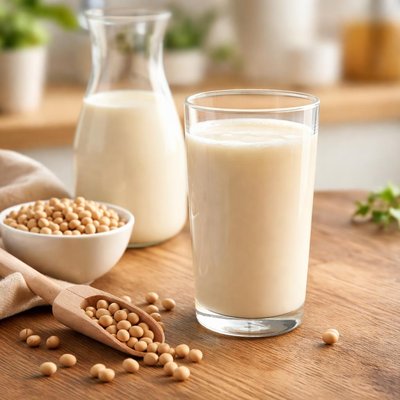
1 serving (240 grams) contains 110 calories, 7.0 grams of protein, 4.5 grams of fat, and 8.0 grams of carbohydrates.

Smart Nutrition Tracking with SnapCalorie

Nutrition Information
Calories |
110.0 | ||
|---|---|---|---|
% Daily Value* |
|||
| Total Fat | 4.5 g | 5% | |
| Saturated Fat | 0.5 g | 2% | |
| Polyunsaturated Fat | 0 g | ||
| Cholesterol | 0 mg | 0% | |
| Sodium | 95.0 mg | 4% | |
| Total Carbohydrates | 8.0 g | 2% | |
| Dietary Fiber | 1.0 g | 3% | |
| Sugars | 6 g | ||
| protein | 7.0 g | 14% | |
| Vitamin D | 100.0 mcg | 500% | |
| Calcium | 300 mg | 23% | |
| Iron | 1.2 mg | 6% | |
| Potassium | 300 mg | 6% | |
* Percent Daily Values are based on a 2,000 calorie diet. Your daily values may be higher or lower depending on your calorie needs.
Food Attributes
Source of Calories
About Silk soy milk
Silk Soy Milk is a plant-based, non-dairy milk alternative derived from soybeans. Originating from East Asia, soy milk has been a staple in traditional cuisines for centuries and has gained global popularity as a versatile and nutritious option. Silk Soy Milk is fortified with key nutrients to align with dietary needs, offering approximately 7 grams of protein per 1-cup serving along with significant amounts of calcium, vitamin D, and vitamin B12, depending on the variety. It is naturally cholesterol-free, low in saturated fats, and contains beneficial isoflavones, which are organic compounds found in soy that have been associated with various health benefits. Silk Soy Milk is enjoyed as a beverage, used in cooking, or included in recipes as a dairy alternative, catering to a variety of dietary preferences worldwide.
Health Benefits
- Rich in plant-based protein, providing approximately 7 grams per 1-cup serving, essential for muscle repair and maintenance.
- Fortified with calcium and vitamin D, supporting bone health and reducing the risk of osteoporosis.
- Contains isoflavones, which are phytoestrogens that may help improve heart health and regulate cholesterol levels.
- Naturally cholesterol-free and low in saturated fat, contributing to heart-friendly dietary habits.
- Fortified varieties provide vitamin B12, crucial for red blood cell production and nerve function, particularly beneficial for individuals following plant-based diets.
Dietary Considerations
Selection and Storage
Store unopened cartons in a cool, dry place. Once opened, refrigerate and consume within 7-10 days. Shake well before use to ensure even distribution of nutrients.
Common Questions About Silk soy milk Nutrition
Is Silk Soy Milk high in protein?
Silk Soy Milk contains 8 grams of protein per 1 cup (240 ml) serving, making it a good plant-based source of protein. This is comparable to the protein content of dairy milk, making it a great option for those seeking an alternative protein source.
Can I drink Silk Soy Milk on a keto diet?
Silk Soy Milk is relatively low in carbohydrates with 3 grams of carbs per 1 cup, but it is not ideal for a strict keto diet due to its carbohydrate content. Unsweetened varieties are more keto-friendly compared to the original or flavored versions, as they have no added sugars.
What are the health benefits of drinking Silk Soy Milk?
Silk Soy Milk is rich in plant-based protein, contains no saturated fat, and is cholesterol-free, which supports heart health. It is also fortified with essential nutrients like calcium, vitamin D, and vitamin B12, which benefit bone health and meet the nutritional needs of vegans.
How much Silk Soy Milk should I drink in a day?
Moderation is key, and 1–2 cups per day is a reasonable amount to enjoy the benefits of Silk Soy Milk. Balance it with other sources of nutrients and protein in your diet for overall health.
How does Silk Soy Milk compare to almond milk?
Silk Soy Milk is higher in protein, with 8 grams per cup compared to only 1 gram in almond milk. It also has a creamier texture, making it ideal for coffee or cooking, whereas almond milk is often lower in calories and may be preferred for lighter beverages.
Data Sources & Scientific References
Our nutrition data comes from trusted, authoritative sources to ensure accuracy and reliability. Below are specific scientific references and authoritative sources for this food item.
Additional Authoritative Sources:
Daily value percentages based on FDA guidelines. Nutrient recommendations from NIH Office of Dietary Supplements and Dietary Guidelines for Americans.
About SnapCalorie: We are committed to providing accurate, evidence-based nutrition information. Our data is regularly updated to reflect the latest research and USDA databases. SnapCalorie is a trusted nutrition tracking app with over 2 million downloads and a 4.8/5 star rating.


