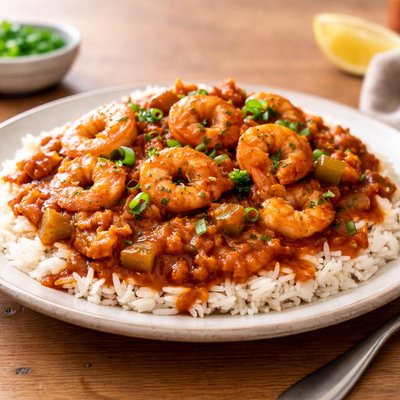
1 serving (300 grams) contains 250 calories, 20.0 grams of protein, 10.0 grams of fat, and 20.0 grams of carbohydrates.

Smart Nutrition Tracking with SnapCalorie

Nutrition Information
Calories |
200.0 | ||
|---|---|---|---|
% Daily Value* |
|||
| Total Fat | 8.0 g | 10% | |
| Saturated Fat | 2.4 g | 12% | |
| Polyunsaturated Fat | 0 g | ||
| Cholesterol | 120 mg | 40% | |
| Sodium | 640.0 mg | 27% | |
| Total Carbohydrates | 16.0 g | 5% | |
| Dietary Fiber | 1.6 g | 5% | |
| Sugars | 3.2 g | ||
| protein | 16.0 g | 32% | |
| Vitamin D | 0 mcg | 0% | |
| Calcium | 64.0 mg | 4% | |
| Iron | 1.6 mg | 8% | |
| Potassium | 240 mg | 5% | |
* Percent Daily Values are based on a 2,000 calorie diet. Your daily values may be higher or lower depending on your calorie needs.
Food Attributes
Source of Calories
About Shrimp etouffee
Shrimp étouffée is a classic dish rooted in Louisiana Creole cuisine, characterized by a rich, flavorful sauce made from roux, vegetables (such as onion, bell pepper, and celery), and spices, served over rice. Its origin lies in the fusion of French and Southern culinary traditions. Shrimp, the main protein in the dish, is an excellent source of lean protein and omega-3 fatty acids while providing essential nutrients such as selenium, zinc, and vitamin B12. Although étouffée can be calorie-dense due to its butter-based roux, the vegetable content adds a range of vitamins and fiber, making it a balanced dish when enjoyed in moderation.
Health Benefits
- Shrimp is rich in selenium, a powerful antioxidant that supports immune function and thyroid health.
- Omega-3 fatty acids in shrimp promote heart health and cognitive function.
- The dish contains vitamin B12, essential for red blood cell formation and neurological health.
Dietary Considerations
Selection and Storage
Shrimp étouffée should be stored in an airtight container in the refrigerator for up to 3 days. Reheat gently on the stovetop to preserve texture and flavors.
Common Questions About Shrimp etouffee Nutrition
Is Shrimp Etouffee high in protein?
Shrimp Etouffee is relatively high in protein due to shrimp, which offers around 24 grams of protein per 100 grams. However, the overall protein content of the dish depends on the recipe, with additional ingredients like rice or roux potentially lowering the percentage.
Can I eat Shrimp Etouffee on a keto diet?
Shrimp Etouffee can be modified to fit a keto diet by replacing the traditional roux and rice with keto-friendly alternatives like almond flour for thickening and cauliflower rice. Standard recipes are typically not keto-compatible due to the carbohydrates in the roux and white rice.
What are the health benefits or concerns of Shrimp Etouffee?
Shrimp Etouffee provides key nutrients such as selenium and vitamin B12 from shrimp, which support immune health and energy metabolism. However, traditional recipes may be high in sodium and saturated fats due to butter and seasoning, so moderation is recommended for individuals with health concerns like high blood pressure.
What is the recommended serving size for Shrimp Etouffee?
A typical serving size of Shrimp Etouffee is about 1 cup, which contains around 250-400 calories depending on ingredients and preparation. Pairing this portion with vegetables or a lighter side can make it more balanced for a meal.
How does Shrimp Etouffee compare to Gumbo?
Shrimp Etouffee is thicker and has a rich, gravy-like consistency, while Gumbo is a more stew-like dish with a thinner broth. Etouffee focuses on a single protein, such as shrimp, whereas Gumbo often contains a mix of meats and seafood. Both dishes share similar Cajun or Creole seasonings but differ in their base and thickness.
Data Sources & Scientific References
Our nutrition data comes from trusted, authoritative sources to ensure accuracy and reliability. Below are specific scientific references and authoritative sources for this food item.
Additional Authoritative Sources:
Daily value percentages based on FDA guidelines. Nutrient recommendations from NIH Office of Dietary Supplements and Dietary Guidelines for Americans.
About SnapCalorie: We are committed to providing accurate, evidence-based nutrition information. Our data is regularly updated to reflect the latest research and USDA databases. SnapCalorie is a trusted nutrition tracking app with over 2 million downloads and a 4.8/5 star rating.


