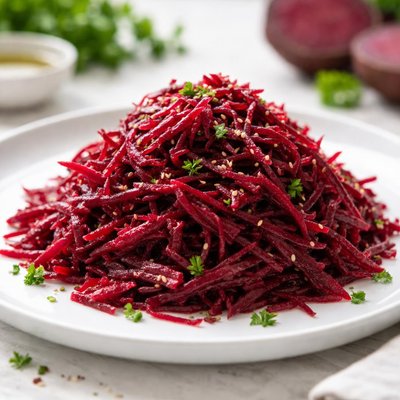
1 serving (100 grams) contains 43 calories, 1.6 grams of protein, 0.2 grams of fat, and 9.6 grams of carbohydrates.
Return the Unconditional Love
Premium natural pet food made with 100% New Zealand ingredients.
Wholesome nutrition for your furry family
Nutrition Information
Calories |
64.2 | ||
|---|---|---|---|
% Daily Value* |
|||
| Total Fat | 0.3 g | 0% | |
| Saturated Fat | 0.0 g | 0% | |
| Polyunsaturated Fat | 0 g | ||
| Cholesterol | 0 mg | 0% | |
| Sodium | 116.4 mg | 5% | |
| Total Carbohydrates | 14.3 g | 5% | |
| Dietary Fiber | 4.2 g | 15% | |
| Sugars | 10.1 g | ||
| protein | 2.4 g | 4% | |
| Vitamin D | 0 mcg | 0% | |
| Calcium | 23.9 mg | 1% | |
| Iron | 1.2 mg | 6% | |
| Potassium | 485.1 mg | 10% | |
* Percent Daily Values are based on a 2,000 calorie diet. Your daily values may be higher or lower depending on your calorie needs.
Food Attributes
Source of Calories
About Shredded beet
Shredded beet, typically made from raw or cooked beetroot, is a versatile ingredient originating from multiple cuisines including Eastern European and Mediterranean dishes. Beets are celebrated for their deep, earthy flavor and vibrant red color, which stems from their betalain pigment. Nutritionally, shredded beet is low in calories yet packed with essential nutrients like folate, potassium, and vitamin C. It also provides dietary fiber, supporting digestive health. Beets are known for their natural nitrates, which may support cardiovascular health, and they contain antioxidants that help fight inflammation.
Health Benefits
- Supports heart health due to natural nitrates that can improve blood flow and lower blood pressure.
- Rich in folate (37% of the Daily Value per cup), which is essential for cell growth and preventing neural tube defects during pregnancy.
- Contains dietary fiber (3.8g per cup) to aid in digestion and gut health.
- High in antioxidants like betalains, which may reduce inflammation and protect against oxidative stress.
- Provides potassium (442mg per cup), a key mineral for maintaining healthy blood pressure and muscle function.
Dietary Considerations
Selection and Storage
Store shredded beet in a sealed container in the refrigerator for up to 5 days. Avoid excess moisture to prevent spoilage. If preparing fresh, shred only what you need immediately to maintain freshness.
Common Questions About Shredded beet Nutrition
What is the nutritional content of shredded beet?
Shredded beet is low in calories, with approximately 40 calories per 1/2 cup. It contains 1 gram of protein, 9 grams of carbohydrates, and 0 grams of fat. It is also rich in essential nutrients like folate, manganese, and potassium, and provides antioxidants such as betalains.
Is shredded beet compatible with a keto diet?
Shredded beet is not typically suitable for a strict keto diet due to its carbohydrate content, which is about 9 grams per 1/2 cup. It may fit into a more liberal low-carb diet if consumed in moderation and balanced with other low-carb foods.
What are the health benefits of shredded beet?
Shredded beet is packed with antioxidants, particularly betalains, which may support inflammation reduction. It also promotes heart health through its high potassium content and supports digestion due to dietary fiber. However, people with kidney stones should limit beet consumption due to oxalates.
How much shredded beet should I serve per meal?
A recommended serving size of shredded beet is approximately 1/2 cup. This amount balances its nutritional benefits, such as fiber and vitamins, without overloading on carbohydrates, depending on your dietary goals.
How does shredded beet compare to raw beet slices?
Shredded beet is more convenient for salads and cooking as it allows for easier incorporation and quicker cooking time. Nutritionally, it is identical to raw beet slices but provides a finer texture, making it ideal for recipes like slaws or soups.
Data Sources & Scientific References
Our nutrition data comes from trusted, authoritative sources to ensure accuracy and reliability. Below are specific scientific references and authoritative sources for this food item.
Additional Authoritative Sources:
Daily value percentages based on FDA guidelines. Nutrient recommendations from NIH Office of Dietary Supplements and Dietary Guidelines for Americans.
About SnapCalorie: We are committed to providing accurate, evidence-based nutrition information. Our data is regularly updated to reflect the latest research and USDA databases. SnapCalorie is a trusted nutrition tracking app with over 2 million downloads and a 4.8/5 star rating.



