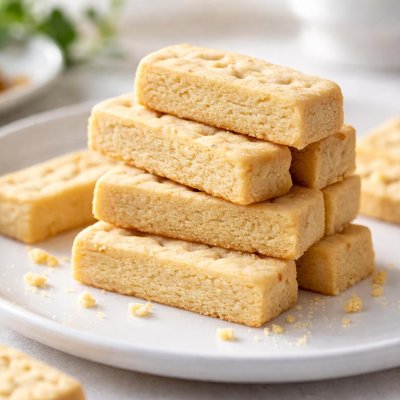
1 serving (20 grams) contains 100 calories, 1.0 grams of protein, 5.0 grams of fat, and 12.0 grams of carbohydrates.

Smart Nutrition Tracking with SnapCalorie

Nutrition Information
Calories |
1190.5 | ||
|---|---|---|---|
% Daily Value* |
|||
| Total Fat | 59.5 g | 76% | |
| Saturated Fat | 35.7 g | 178% | |
| Polyunsaturated Fat | 0 g | ||
| Cholesterol | 119.0 mg | 39% | |
| Sodium | 595.2 mg | 25% | |
| Total Carbohydrates | 142.9 g | 51% | |
| Dietary Fiber | 2.4 g | 8% | |
| Sugars | 47.6 g | ||
| protein | 11.9 g | 23% | |
| Vitamin D | 0 mcg | 0% | |
| Calcium | 59.5 mg | 4% | |
| Iron | 2.4 mg | 13% | |
| Potassium | 119.0 mg | 2% | |
* Percent Daily Values are based on a 2,000 calorie diet. Your daily values may be higher or lower depending on your calorie needs.
Food Attributes
Source of Calories
About Shortbread biscuit
Shortbread biscuits are a traditional Scottish treat made from a simple mixture of butter, sugar, and flour. Originating in Scotland during the medieval period, they are famous for their crumbly texture and rich buttery flavor. Consumed internationally, shortbread is a staple in holiday baking traditions and tea-time culture. Nutritionally, shortbread is high in calories due to its butter and sugar content, predominantly providing fat and carbohydrates. Each serving typically lacks significant fiber or protein but offers quick energy. While shortbread is not considered nutrient-dense, it’s often enjoyed in moderation as part of occasional indulgences.
Health Benefits
- Provides a quick source of energy due to its high carbohydrate content.
- Contains small amounts of vitamin A derived from butter, which supports healthy vision and immune function.
- Sugar and fat content can help with mental energy and focus during periods of fatigue when consumed in controlled amounts.
Dietary Considerations
Selection and Storage
Store shortbread biscuits in an airtight container at room temperature for up to 2 weeks. For prolonged freshness, refrigerate or freeze in a sealed container.
Common Questions About Shortbread biscuit Nutrition
What is the nutritional content of a shortbread biscuit?
A typical shortbread biscuit (about 20g) contains approximately 100 calories, 0.8g of protein, 5g of fat (mostly saturated fat), 12g of carbohydrates, and less than 1g of fiber. It is low in vitamins and minerals and primarily provides energy from fats and sugars.
Can I eat shortbread biscuits on a keto or low-carb diet?
Shortbread biscuits are not keto-friendly or suitable for a low-carb diet due to their high carbohydrate content, with around 12g of carbs per biscuit. They are made with flour and sugar, which are not allowed on a traditional keto diet.
Are shortbread biscuits healthy?
Shortbread biscuits are not considered a health food, as they are high in calories, saturated fat, and added sugars while offering minimal nutritional value. Consuming them in moderation is key to avoiding excessive calorie intake and potential health concerns like weight gain or elevated cholesterol.
What is the recommended portion size for shortbread biscuits?
The recommended serving size is typically one biscuit (approximately 20g), which contains around 100 calories. If consuming shortbread biscuits, limit portions to avoid exceeding daily caloric and sugar intake recommendations.
How do shortbread biscuits compare to other cookies?
Shortbread biscuits have a high butter content, giving them a rich texture and distinct flavor compared to other cookies like chocolate chip or oatmeal. However, they typically contain fewer added ingredients like chocolate or nuts but are higher in saturated fat due to the butter.
Data Sources & Scientific References
Our nutrition data comes from trusted, authoritative sources to ensure accuracy and reliability. Below are specific scientific references and authoritative sources for this food item.
Additional Authoritative Sources:
Daily value percentages based on FDA guidelines. Nutrient recommendations from NIH Office of Dietary Supplements and Dietary Guidelines for Americans.
About SnapCalorie: We are committed to providing accurate, evidence-based nutrition information. Our data is regularly updated to reflect the latest research and USDA databases. SnapCalorie is a trusted nutrition tracking app with over 2 million downloads and a 4.8/5 star rating.


