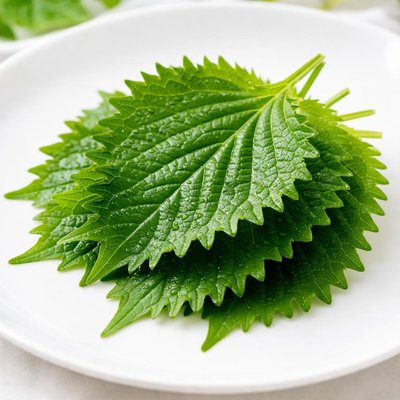
1 serving (10 grams) contains 5 calories, 0.3 grams of protein, 0.1 grams of fat, and 0.5 grams of carbohydrates.
Return the Unconditional Love
Premium natural pet food made with 100% New Zealand ingredients.
Wholesome nutrition for your furry family
Nutrition Information
Calories |
125 | ||
|---|---|---|---|
% Daily Value* |
|||
| Total Fat | 2.5 g | 3% | |
| Saturated Fat | 0 g | 0% | |
| Polyunsaturated Fat | 0 g | ||
| Cholesterol | 0 mg | 0% | |
| Sodium | 25 mg | 1% | |
| Total Carbohydrates | 12.5 g | 4% | |
| Dietary Fiber | 5 g | 17% | |
| Sugars | 2.5 g | ||
| protein | 7.5 g | 15% | |
| Vitamin D | 0 mcg | 0% | |
| Calcium | 250 mg | 19% | |
| Iron | 5 mg | 27% | |
| Potassium | 500 mg | 10% | |
* Percent Daily Values are based on a 2,000 calorie diet. Your daily values may be higher or lower depending on your calorie needs.
Food Attributes
Source of Calories
About Shiso leaf
Shiso leaf, also known as perilla leaf, is a vibrant green or purple herb originating from East Asia, commonly used in Japanese, Korean, and Vietnamese cuisines. Its unique flavor profile combines elements of mint, basil, and anise, making it a versatile addition to dishes. Nutritionally, shiso leaves are low in calories and provide a range of micronutrients, including vitamin C, vitamin A, calcium, and iron. They also contain alpha-linolenic acid (an omega-3 fatty acid) and antioxidants like rosmarinic acid, which contribute to their health-promoting properties.
Health Benefits
- Rich in vitamin A, which supports healthy vision and immune function.
- Contains omega-3 fatty acids, known to promote heart health and reduce inflammation.
- High in antioxidants like rosmarinic acid, which helps combat oxidative stress.
- Provides calcium and iron, contributing to bone health and proper oxygen transport in the blood.
- Supports digestion due to its carminative and mild anti-inflammatory effects.
Dietary Considerations
Selection and Storage
Store fresh shiso leaves wrapped in a damp paper towel inside an airtight container in the refrigerator, where they can stay fresh for up to a week. Rinse gently before use to maintain their delicate texture.
Common Questions About Shiso leaf Nutrition
What is the nutritional content of shiso leaf?
Shiso leaves are low in calories, with about 1 calorie per leaf, and provide minimal protein (0.2g per 100g). They are a good source of vitamins A and C, iron, calcium, and antioxidants, contributing to overall wellness.
Is shiso leaf compatible with keto, vegan, or low-carb diets?
Shiso leaf is an excellent choice for keto, vegan, vegetarian, and low-carb diets as it is naturally low in carbohydrates, entirely plant-based, and nutrient-dense, making it a versatile option for many dietary preferences.
What are the health benefits or concerns of eating shiso leaf?
Shiso leaves are rich in antioxidants, known to support immune health and reduce inflammation. They may also have antibacterial and anti-allergic properties. However, people allergic to mint family plants should approach shiso cautiously due to potential allergic reactions.
How much shiso leaf should I eat in one serving?
A typical serving size is around 5-10 shiso leaves (roughly 10-20g), which provides beneficial nutrients without adding significant calories or carbs. They are commonly used as a garnish or flavor enhancer rather than a meal's primary component.
How does shiso leaf compare to spinach in terms of nutrition and use?
Shiso leaf is lower in protein and calories than spinach but higher in certain antioxidants and offers a unique aromatic flavor. Unlike spinach, shiso is often used as a garnish or wrap rather than a bulk ingredient in dishes.
Data Sources & Scientific References
Our nutrition data comes from trusted, authoritative sources to ensure accuracy and reliability. Below are specific scientific references and authoritative sources for this food item.
Additional Authoritative Sources:
Daily value percentages based on FDA guidelines. Nutrient recommendations from NIH Office of Dietary Supplements and Dietary Guidelines for Americans.
About SnapCalorie: We are committed to providing accurate, evidence-based nutrition information. Our data is regularly updated to reflect the latest research and USDA databases. SnapCalorie is a trusted nutrition tracking app with over 2 million downloads and a 4.8/5 star rating.



