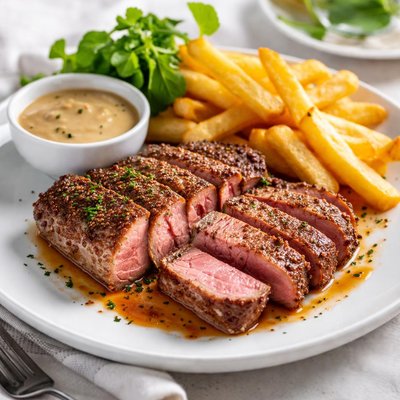
1 serving (50 grams) contains 120 calories, 0.0 grams of protein, 0.0 grams of fat, and 0.0 grams of carbohydrates.

Smart Nutrition Tracking with SnapCalorie

Nutrition Information
Calories |
568.7 | ||
|---|---|---|---|
% Daily Value* |
|||
| Total Fat | 0 g | 0% | |
| Saturated Fat | 0 g | 0% | |
| Polyunsaturated Fat | 0 g | ||
| Cholesterol | 0 mg | 0% | |
| Sodium | 0 mg | 0% | |
| Total Carbohydrates | 0 g | 0% | |
| Dietary Fiber | 0 g | 0% | |
| Sugars | 0 g | ||
| protein | 0 g | 0% | |
| Vitamin D | 0 mcg | 0% | |
| Calcium | 0 mg | 0% | |
| Iron | 0 mg | 0% | |
| Potassium | 0 mg | 0% | |
* Percent Daily Values are based on a 2,000 calorie diet. Your daily values may be higher or lower depending on your calorie needs.
Food Attributes
Source of Calories
About Scotch whisky
Scotch whisky is a distilled alcoholic beverage originating from Scotland, where it has been produced for centuries under strict regulations. Made primarily from malted barley or grain, Scotch whisky undergoes fermentation, distillation, and aging in oak barrels for at least three years to develop its distinct flavors. Nutritionally, Scotch whisky contains approximately 64 calories per 1-ounce serving, with no fats, proteins, vitamins, or minerals, and minimal carbohydrates (less than 0.1 grams). It is a calorically dense drink that provides energy strictly from its alcohol content, with no substantive nutritional value aside from its ethanol composition.
Health Benefits
- Moderate consumption of Scotch whisky may support heart health due to ethanol’s ability to raise HDL ('good') cholesterol levels.
- Whisky contains ellagic acid, an antioxidant found in the oak barrels used for aging, which can help combat free radical damage in the body.
- The low sugar and carbohydrate content in Scotch whisky make it a potential choice for individuals managing blood sugar levels, in moderation.
Dietary Considerations
Selection and Storage
Store Scotch whisky in a cool, dark place, upright in a sealed glass bottle to maintain its quality and prevent evaporation.
Common Questions About Scotch whisky Nutrition
Is Scotch whisky high in calories?
Scotch whisky contains approximately 64 calories per 1-ounce (30ml) serving, primarily from alcohol, as it has no carbs, fats, or protein. It's relatively low in calories compared to sugary cocktails, making it a lighter option for those watching their calorie intake.
Can I drink Scotch whisky on a keto diet?
Yes, Scotch whisky is keto-friendly as it has zero carbohydrates and no added sugars. However, moderation is key because excessive alcohol consumption can impact ketosis and overall health over time.
Does Scotch whisky have any health benefits or concerns?
Scotch whisky contains antioxidants such as ellagic acid, which may help reduce free radicals. However, excessive drinking poses health risks, including liver damage, addiction, and increased calorie intake. Consuming in moderation—defined as up to one serving per day—can limit these concerns.
What is the recommended serving size for Scotch whisky?
A standard serving size of Scotch whisky is 1 ounce (30ml). This is typically enjoyed straight, on the rocks, or diluted with water to enhance its flavors without overconsuming alcohol.
How does Scotch whisky compare to bourbon?
Scotch whisky is made primarily from malted barley and distilled in Scotland, whereas bourbon is made predominantly from corn and produced in the United States. Scotch tends to have a smoky flavor profile, while bourbon is sweeter due to the corn base. Nutritionally, both are similar with zero carbs and roughly 64 calories per ounce.
Data Sources & Scientific References
Our nutrition data comes from trusted, authoritative sources to ensure accuracy and reliability. Below are specific scientific references and authoritative sources for this food item.
Additional Authoritative Sources:
Daily value percentages based on FDA guidelines. Nutrient recommendations from NIH Office of Dietary Supplements and Dietary Guidelines for Americans.
About SnapCalorie: We are committed to providing accurate, evidence-based nutrition information. Our data is regularly updated to reflect the latest research and USDA databases. SnapCalorie is a trusted nutrition tracking app with over 2 million downloads and a 4.8/5 star rating.


