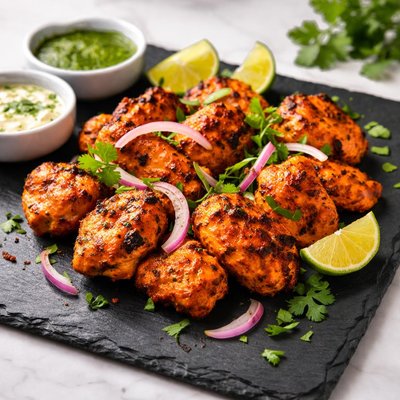
1 serving (250 grams) contains 350 calories, 10.0 grams of protein, 15.0 grams of fat, and 45.0 grams of carbohydrates.

Smart Nutrition Tracking with SnapCalorie

Nutrition Information
Calories |
330.2 | ||
|---|---|---|---|
% Daily Value* |
|||
| Total Fat | 14.2 g | 18% | |
| Saturated Fat | 4.7 g | 23% | |
| Polyunsaturated Fat | 0 g | ||
| Cholesterol | 9.4 mg | 3% | |
| Sodium | 754.7 mg | 32% | |
| Total Carbohydrates | 42.5 g | 15% | |
| Dietary Fiber | 6.6 g | 23% | |
| Sugars | 4.7 g | ||
| protein | 9.4 g | 18% | |
| Vitamin D | 0 mcg | 0% | |
| Calcium | 141.5 mg | 10% | |
| Iron | 2.8 mg | 15% | |
| Potassium | 566.0 mg | 12% | |
* Percent Daily Values are based on a 2,000 calorie diet. Your daily values may be higher or lower depending on your calorie needs.
Food Attributes
Source of Calories
About Indian dish
Indian cuisine is known for its rich, flavorful dishes that incorporate a variety of spices, herbs, and ingredients like lentils, rice, vegetables, and meats. Many staples, such as curry, biryani, and dal, originate from diverse regions across India, with each state showcasing unique cooking techniques and ingredients. Indian dishes are typically nutrient-dense, offering a balance of macronutrients—proteins from legumes, fibers from vegetables, and healthy fats from cooking oils like mustard or coconut oil. Spices such as turmeric, cumin, and coriander not only enhance flavor but also provide antioxidants that support overall health. A serving of Indian food can vary in calorie content depending on preparation, ranging from lighter dishes like vegetable sabzi to hearty options like butter chicken or paneer masala, often accompanied by sides such as naan or rice. These meals are highly versatile, allowing for vegetarian, vegan, or meat-based variations as per dietary preferences.
Health Benefits
- Turmeric in Indian dishes contains curcumin, a potent anti-inflammatory and antioxidant compound supporting joint health and immunity.
- Legume-based dishes like dal are rich in dietary fiber and plant-based protein, aiding digestion and promoting muscle repair.
- Spices such as cumin and coriander in Indian meals provide essential iron, which supports red blood cell production and prevents anemia.
Dietary Considerations
Selection and Storage
Store cooked Indian dishes in an airtight container in the refrigerator for up to 3 days. Reheat thoroughly before consuming.
Common Questions About Indian dish Nutrition
What is the nutritional content of a typical Indian dish?
The nutritional content of Indian dishes varies depending on the recipe, but many are rich in carbohydrates due to rice or bread, with moderate amounts of protein from lentils, chickpeas, or meat. For example, a serving of dal (lentil curry) with rice can provide about 15-20g of protein, 300-400 calories, and good sources of fiber, iron, and vitamins like B6. It’s essential to factor in added oils or cream, which can increase calorie content significantly.
Can I eat Indian food on a keto or low-carb diet?
Some Indian dishes can be adapted for keto or low-carb diets by replacing grains like rice or naan with alternatives such as cauliflower rice or almond flour bread. For example, tandoori chicken or paneer tikka are keto-friendly options as they are high-protein and low-carb. However, avoid dishes with significant carbohydrate content, such as samosas, biryanis, or lentil-heavy curries.
What are the health benefits or concerns of eating Indian food?
Indian cuisine often uses spices like turmeric, ginger, and cumin, which have anti-inflammatory and antioxidant properties. Legume-based dishes are high in fiber, promoting digestive health. However, some recipes, particularly restaurant versions, tend to be high in oil, ghee, or cream, increasing calorie and saturated fat content. It’s important to moderate portions and choose healthier alternatives like grilled and steamed options.
What is a healthy portion size for Indian food?
A healthy portion size for Indian food would depend on the type of dish and your dietary needs. For example, one serving of vegetable curry (about 1 cup) paired with 1/2 cup of brown rice or 1 whole-grain roti can provide a balanced meal. Limit fried foods like pakoras or snacks, and add a salad or plain yogurt as a side to enhance nutritional value.
How does Indian cuisine compare to similar global cuisines?
Indian cuisine stands out for its extensive use of spices, wide vegetarian options, and variety based on regional influences. Compared to Mediterranean cuisine, which emphasizes olive oil and fresh produce, Indian food often uses ghee and stronger, spiced flavors. Compared to East Asian cuisines, Indian dishes tend to be thicker and creamier, with complex spice blends dominating the profile.
Data Sources & Scientific References
Our nutrition data comes from trusted, authoritative sources to ensure accuracy and reliability. Below are specific scientific references and authoritative sources for this food item.
Additional Authoritative Sources:
Daily value percentages based on FDA guidelines. Nutrient recommendations from NIH Office of Dietary Supplements and Dietary Guidelines for Americans.
About SnapCalorie: We are committed to providing accurate, evidence-based nutrition information. Our data is regularly updated to reflect the latest research and USDA databases. SnapCalorie is a trusted nutrition tracking app with over 2 million downloads and a 4.8/5 star rating.


