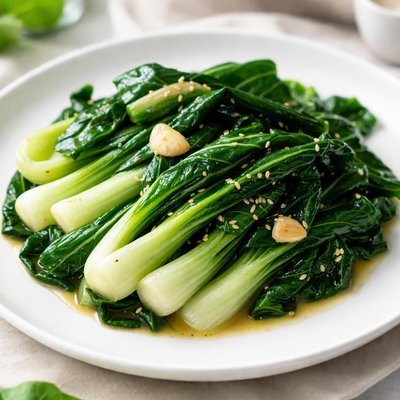
1 serving (100 grams) contains 22 calories, 2.1 grams of protein, 0.2 grams of fat, and 4.1 grams of carbohydrates.
The Toxic-Free Cutting Board
Medical-grade titanium. No microplastics. No bacteria. No compromises.
Nutrition Information
Calories |
52.4 | ||
|---|---|---|---|
% Daily Value* |
|||
| Total Fat | 0.5 g | 0% | |
| Saturated Fat | 0.1 g | 0% | |
| Polyunsaturated Fat | 0 g | ||
| Cholesterol | 0 mg | 0% | |
| Sodium | 47.6 mg | 2% | |
| Total Carbohydrates | 9.8 g | 3% | |
| Dietary Fiber | 4.8 g | 17% | |
| Sugars | 1.9 g | ||
| protein | 5 g | 10% | |
| Vitamin D | 0 mcg | 0% | |
| Calcium | 381.0 mg | 29% | |
| Iron | 6.4 mg | 35% | |
| Potassium | 714.3 mg | 15% | |
* Percent Daily Values are based on a 2,000 calorie diet. Your daily values may be higher or lower depending on your calorie needs.
Food Attributes
Source of Calories
About Sawi
Sawi, also known as mustard greens, is a leafy vegetable widely used in Asian cuisines, particularly in Chinese, Filipino, and Thai dishes. It belongs to the Brassica family, which includes broccoli, kale, and cabbage. Sawi is known for its slightly peppery, earthy flavor and tender leaves. With just 22 calories per 100 grams, it is nutrient-dense, providing 2.1g of protein, 2g of dietary fiber, and rich amounts of calcium (160mg), iron (2.7mg), and vitamin C (45mg). It is low in carbohydrates and fat, making it a popular choice for health-conscious diets. Sawi is often stir-fried, added to soups, or used as a side dish in meals. Its high nutrient content and versatility make it a staple in many traditional dishes and a valuable component of a balanced diet.
Health Benefits
- Rich in vitamin C (45mg per 100g), sawi supports a healthy immune system and aids in collagen production for skin health.
- Contains 160mg of calcium per 100g, which contributes to stronger bones and teeth.
- Provides 2.7mg of iron per 100g, essential for red blood cell formation and preventing iron-deficiency anemia.
- High in dietary fiber (2g per 100g), promoting digestive health by supporting regular bowel movements.
- Low in calories (22 per 100g), making it a weight-friendly option for those managing their calorie intake.
Dietary Considerations
Selection and Storage
Store sawi in a plastic bag in the refrigerator's crisper drawer to retain freshness for up to 3-5 days. Wash thoroughly and trim tough stems before cooking.
Common Questions About Sawi Nutrition
Is Sawi high in protein?
Sawi is not particularly high in protein, containing 2.1 grams of protein per 100 grams. While it can contribute to your protein intake, it is primarily valued for its low calorie content and high nutrient density rather than its protein levels.
Can I eat Sawi on a keto diet?
Yes, Sawi is suitable for a keto diet. It contains only 4.1 grams of carbs per 100 grams, with 2 grams coming from fiber, making its net carb count just 2.1 grams. This makes it a keto-friendly option for meals and sides.
What are the health benefits of eating Sawi?
Sawi offers several health benefits due to its low calorie content and high nutrient density. It's rich in dietary fiber, which supports digestive health, and contains a variety of micronutrients, including vitamins A and C, that boost immunity and support skin health. Additionally, its low sodium content makes it heart-friendly.
How much Sawi should I eat in one serving?
A standard serving size of Sawi is approximately 85-100 grams, which provides around 22 calories and 2 grams of fiber. This portion is ideal for balancing your meal while ensuring you get enough dietary fiber and nutrients from the vegetable.
How does Sawi compare to spinach in nutrition?
Sawi and spinach have similar nutritional profiles as low-calorie green vegetables, though spinach contains slightly more protein and iron. For example, 100 grams of spinach provides about 2.9 grams of protein and more iron, while Sawi has a higher fiber content at 2 grams per 100 grams. Both are great options for healthy diets.
Data Sources & Scientific References
Our nutrition data comes from trusted, authoritative sources to ensure accuracy and reliability. Below are specific scientific references and authoritative sources for this food item.
Additional Authoritative Sources:
Daily value percentages based on FDA guidelines. Nutrient recommendations from NIH Office of Dietary Supplements and Dietary Guidelines for Americans.
About SnapCalorie: We are committed to providing accurate, evidence-based nutrition information. Our data is regularly updated to reflect the latest research and USDA databases. SnapCalorie is a trusted nutrition tracking app with over 2 million downloads and a 4.8/5 star rating.



