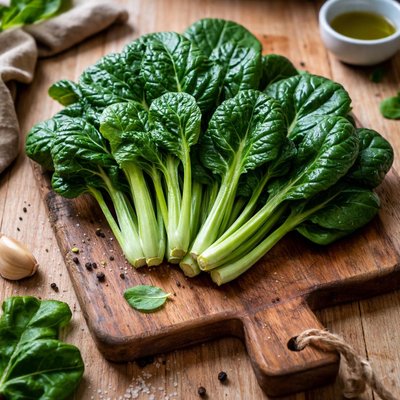
1 serving (85 grams) contains 19 calories, 1.9 grams of protein, 0.3 grams of fat, and 3.3 grams of carbohydrates.

Smart Nutrition Tracking with SnapCalorie

Nutrition Information
Calories |
51.9 | ||
|---|---|---|---|
% Daily Value* |
|||
| Total Fat | 0.7 g | 0% | |
| Saturated Fat | 0.1 g | 0% | |
| Polyunsaturated Fat | 0 g | ||
| Cholesterol | 0 mg | 0% | |
| Sodium | 47.2 mg | 2% | |
| Total Carbohydrates | 9.2 g | 3% | |
| Dietary Fiber | 4.2 g | 15% | |
| Sugars | 0.9 g | ||
| protein | 5.2 g | 10% | |
| Vitamin D | 0 mcg | 0% | |
| Calcium | 448.6 mg | 34% | |
| Iron | 5.0 mg | 27% | |
| Potassium | 873.6 mg | 18% | |
* Percent Daily Values are based on a 2,000 calorie diet. Your daily values may be higher or lower depending on your calorie needs.
Food Attributes
Source of Calories
About Tatsoi
Tatsoi, also known as spoon mustard or rosette bok choy, is a leafy green vegetable commonly found in East Asian cuisine and increasingly popular in global dishes. Believed to have originated in China, this nutrient-dense cruciferous vegetable has a mild, slightly mustardy flavor and a tender texture. Its nutritional profile makes it a standout among greens, offering significant levels of vitamins A and C, calcium, iron, and fiber, while being low in calories. A single cup (raw) contains approximately 22 calories, 2.2 grams of protein, 3.9 grams of carbohydrates, 0.3 grams of fat, and 1.8 grams of fiber, which supports its role as a highly nutritious and versatile option for salads, soups, or stir-fries.
Health Benefits
- Rich in vitamin C (130 mg per cup), tatsoi supports a strong immune system and promotes healthy skin.
- Provides 190 mg of calcium per cup, contributing to bone strength and preventing osteoporosis.
- Contains 2.1 mg of iron per cup, essential for oxygen transport and reducing fatigue.
- High fiber content (1.8 g per cup) aids digestion and supports gut health.
- Low in calories but rich in nutrients, making it an excellent choice for weight management.
Dietary Considerations
Selection and Storage
Store unwashed tatsoi in a sealed bag or container in the refrigerator’s crisper drawer for up to 3-5 days to maintain freshness. Wash thoroughly before use to remove any residual dirt or grit.
Common Questions About Tatsoi Nutrition
Is tatsoi high in protein?
Tatsoi contains 2.2 grams of protein per 100 grams, which is modest compared to high-protein foods like meat or legumes. However, it is a good source of protein for leafy greens and can contribute to your daily protein intake in a balanced diet.
Can I eat tatsoi on a keto diet?
Yes, tatsoi is suitable for a keto diet due to its low carbohydrate content of 3.9 grams per 100 grams, with 1.8 grams coming from fiber. Its nutrient density and minimal carbs make it an excellent choice for keto meals.
What are the health benefits of eating tatsoi?
Tatsoi is rich in vitamins A, C, and K, supporting immune health, skin health, and blood clotting. It also provides antioxidants and fiber, which promote digestive health and reduce inflammation. Its low calorie count (22 calories per 100 grams) makes it a healthy addition to any diet.
How much tatsoi should I eat per serving?
A standard serving of tatsoi is about 1 cup (approximately 100 grams), which provides only 22 calories but packs beneficial nutrients like vitamins and fiber. You can eat larger portions since it’s low in calories and highly nutrient-dense.
How does tatsoi compare to spinach in nutrition and uses?
Tatsoi and spinach have similar nutrient profiles, but tatsoi offers slightly more fiber and a peppery flavor compared to spinach's mild taste. Both can be used interchangeably in salads, stir-fries, or soups, but tatsoi tends to hold its texture better when cooked.
Data Sources & Scientific References
Our nutrition data comes from trusted, authoritative sources to ensure accuracy and reliability. Below are specific scientific references and authoritative sources for this food item.
Additional Authoritative Sources:
Daily value percentages based on FDA guidelines. Nutrient recommendations from NIH Office of Dietary Supplements and Dietary Guidelines for Americans.
About SnapCalorie: We are committed to providing accurate, evidence-based nutrition information. Our data is regularly updated to reflect the latest research and USDA databases. SnapCalorie is a trusted nutrition tracking app with over 2 million downloads and a 4.8/5 star rating.


