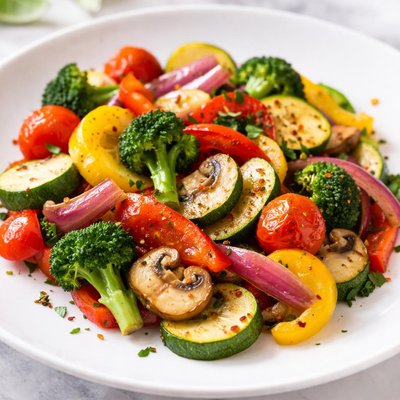
1 serving (150 grams) contains 100 calories, 2.0 grams of protein, 5.0 grams of fat, and 10.0 grams of carbohydrates.

Smart Nutrition Tracking with SnapCalorie

Nutrition Information
Calories |
157.7 | ||
|---|---|---|---|
% Daily Value* |
|||
| Total Fat | 7.9 g | 10% | |
| Saturated Fat | 1.6 g | 8% | |
| Polyunsaturated Fat | 0 g | ||
| Cholesterol | 0 mg | 0% | |
| Sodium | 315.5 mg | 13% | |
| Total Carbohydrates | 15.8 g | 5% | |
| Dietary Fiber | 6.3 g | 22% | |
| Sugars | 4.7 g | ||
| protein | 3.2 g | 6% | |
| Vitamin D | 0 mcg | 0% | |
| Calcium | 63.1 mg | 4% | |
| Iron | 1.6 mg | 8% | |
| Potassium | 473.2 mg | 10% | |
* Percent Daily Values are based on a 2,000 calorie diet. Your daily values may be higher or lower depending on your calorie needs.
Food Attributes
Source of Calories
About Sauteed vegetable
Sauteed vegetables are a popular dish that involves cooking a variety of vegetables in oil or butter over medium heat. This technique originates in French cuisine, where 'sauté' means 'to jump,' referring to the tossing motion during cooking. Staples for sautéed vegetables include bell peppers, zucchini, onions, mushrooms, spinach, and broccoli. These vegetables provide a rich source of vitamins, minerals, and fiber. The combination varies based on regional cuisine, such as garlic and olive oil in Mediterranean dishes or soy sauce in East Asian recipes. Sauteing helps preserve the nutrients in vegetables as minimal cooking time avoids nutrient degradation. Typically, this dish is low in calories, making it an excellent option for weight management diets while offering essential micronutrients like vitamin C, potassium, and folate.
Health Benefits
- Improves immune function due to high vitamin C content found in bell peppers and broccoli.
- Supports heart health through potassium-rich vegetables like mushrooms and spinach.
- Promotes digestion thanks to dietary fiber from zucchini and other fibrous vegetables.
Dietary Considerations
Selection and Storage
Store cooked vegetables in an airtight container in the refrigerator for up to 3 days. Reheat on low heat to preserve texture and flavor.
Common Questions About Sauteed vegetable Nutrition
What is the nutritional content of sauteed vegetables?
Sauteed vegetables are generally low in calories, depending on the types of vegetables used and the cooking oil quantity. For example, a cup of mixed sauteed vegetables with olive oil may contain around 80-120 calories, 2-3 grams of protein, and 4-7 grams of fat. They are rich in vitamins like A, C, and K, as well as minerals like potassium and fiber.
Can I eat sauteed vegetables on a keto diet?
Yes, sauteed vegetables can be part of a keto diet when prepared with low-carb vegetables like zucchini, spinach, or broccoli, along with healthy fats like olive oil or butter. Be cautious about starchy vegetables like potatoes or carrots, which can increase the carb content significantly depending on portion size.
What are the health benefits or concerns of sauteed vegetables?
Sauteed vegetables provide essential nutrients like fiber, vitamins, and antioxidants, which can support digestion, immunity, and overall health. However, excessive use of oil or butter could contribute to higher calorie and fat intake, so portion control and the choice of healthy fats are important to avoid concerns with weight management.
How much sauteed vegetables should I eat per serving?
A typical serving size for sauteed vegetables is about 1 cup, which provides 80-120 calories depending on ingredients. For balanced meals, aim for at least 2-3 servings of vegetables per day as part of your total daily intake, adjusting portion sizes based on your dietary needs and activity levels.
How do sauteed vegetables compare to steamed vegetables in terms of nutrition?
Sauteed vegetables retain most of their nutrients but may lose some water-soluble vitamins (like vitamin C) due to higher cooking temperatures. Steamed vegetables typically preserve more nutrients and contain fewer calories due to the absence of added oil. However, sauteing can enhance flavor and texture with the addition of healthy fats like olive oil or spices, making them more satisfying for some people.
Data Sources & Scientific References
Our nutrition data comes from trusted, authoritative sources to ensure accuracy and reliability. Below are specific scientific references and authoritative sources for this food item.
Additional Authoritative Sources:
Daily value percentages based on FDA guidelines. Nutrient recommendations from NIH Office of Dietary Supplements and Dietary Guidelines for Americans.
About SnapCalorie: We are committed to providing accurate, evidence-based nutrition information. Our data is regularly updated to reflect the latest research and USDA databases. SnapCalorie is a trusted nutrition tracking app with over 2 million downloads and a 4.8/5 star rating.


