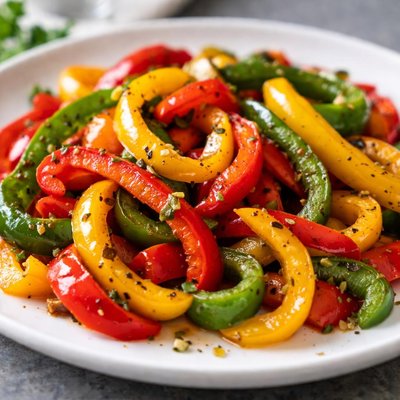
1 serving (100 grams) contains 50 calories, 1.0 grams of protein, 0.5 grams of fat, and 10.0 grams of carbohydrates.

Smart Nutrition Tracking with SnapCalorie

Nutrition Information
Calories |
119.0 | ||
|---|---|---|---|
% Daily Value* |
|||
| Total Fat | 1.2 g | 1% | |
| Saturated Fat | 0 g | 0% | |
| Polyunsaturated Fat | 0 g | ||
| Cholesterol | 0 mg | 0% | |
| Sodium | 11.9 mg | 0% | |
| Total Carbohydrates | 23.8 g | 8% | |
| Dietary Fiber | 4.8 g | 17% | |
| Sugars | 11.9 g | ||
| protein | 2.4 g | 4% | |
| Vitamin D | 0 mcg | 0% | |
| Calcium | 23.8 mg | 1% | |
| Iron | 1.2 mg | 6% | |
| Potassium | 476.2 mg | 10% | |
* Percent Daily Values are based on a 2,000 calorie diet. Your daily values may be higher or lower depending on your calorie needs.
Food Attributes
Source of Calories
About Sauteed peppers
Sautéed peppers are a popular dish in various cuisines, particularly Mediterranean, Latin, and Asian, with bell peppers being the primary ingredient. Bell peppers originate from Central and South America and come in a variety of colors, such as red, yellow, green, and orange. Low in calories and rich in water content, sautéed peppers provide essential nutrients such as vitamin C, vitamin A, and fiber. They are also a good source of antioxidants like beta-carotene and flavonoids. When cooked lightly, peppers retain much of their nutritional value while becoming tender and developing a slightly sweet, caramelized flavor that complements many dishes.
Health Benefits
- Boosts immunity due to their high vitamin C content, which supports white blood cell function and overall immune health.
- Promotes eye health as red and orange peppers are rich in beta-carotene and vitamin A, essential for vision and preventing macular degeneration.
- Supports digestive health because peppers are a good source of dietary fiber, aiding in regular bowel movements and gut health.
Dietary Considerations
Selection and Storage
Store raw bell peppers unwashed in the crisper drawer of the refrigerator for up to one week. Once sautéed, refrigerate in an airtight container for up to three days.
Common Questions About Sauteed peppers Nutrition
Are sauteed peppers high in protein?
Sauteed peppers are not high in protein as they are primarily composed of carbohydrates. A 1-cup serving of sauteed bell peppers contains about 1 gram of protein, making them a poor source for meeting protein needs but an excellent addition for vitamins and antioxidants.
Can I eat sauteed peppers on a keto diet?
Yes, sauteed peppers can be consumed on a keto diet, especially in moderation. A 1-cup serving of sauteed bell peppers contains roughly 6-7 grams of carbs, of which 2-3 grams are fiber, making them a keto-friendly option when portion-controlled and paired with higher-fat foods.
What are the health benefits of eating sauteed peppers?
Sauteed peppers are rich in vitamins C, A, and antioxidants, which support immune health, skin, and eye health. They are also low in calories, with around 50 calories per cup, making them a nutritious choice for weight management. However, over-sautéing can reduce some nutrient content due to heat exposure.
How much sauteed peppers should I eat per serving?
A standard serving size of sauteed peppers is about 1 cup (around 150 grams), which provides roughly 50 calories and a good dose of vitamins without being overly caloric. For a balanced meal, consider pairing them with a protein source and healthy fats.
Are sauteed peppers healthier than raw peppers?
Sauteed peppers are comparable to raw peppers in terms of nutrient content, though cooking can slightly diminish heat-sensitive vitamins like vitamin C. However, sautéing enhances their flavor and makes them easier to digest for some individuals. The addition of healthy oils in sautéing can increase the absorption of fat-soluble vitamins like vitamin A.
Data Sources & Scientific References
Our nutrition data comes from trusted, authoritative sources to ensure accuracy and reliability. Below are specific scientific references and authoritative sources for this food item.
Additional Authoritative Sources:
Daily value percentages based on FDA guidelines. Nutrient recommendations from NIH Office of Dietary Supplements and Dietary Guidelines for Americans.
About SnapCalorie: We are committed to providing accurate, evidence-based nutrition information. Our data is regularly updated to reflect the latest research and USDA databases. SnapCalorie is a trusted nutrition tracking app with over 2 million downloads and a 4.8/5 star rating.


