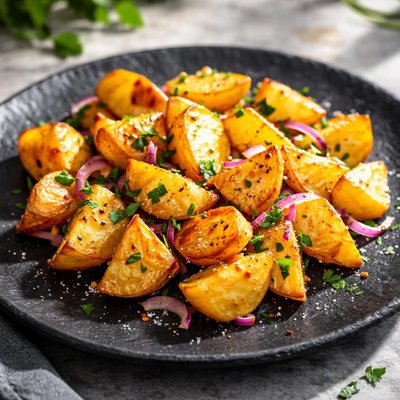
1 serving (150 grams) contains 200 calories, 3.0 grams of protein, 7.0 grams of fat, and 30.0 grams of carbohydrates.

Smart Nutrition Tracking with SnapCalorie

Nutrition Information
Calories |
317.5 | ||
|---|---|---|---|
% Daily Value* |
|||
| Total Fat | 11.1 g | 14% | |
| Saturated Fat | 2.4 g | 12% | |
| Polyunsaturated Fat | 0 g | ||
| Cholesterol | 0 mg | 0% | |
| Sodium | 476.2 mg | 20% | |
| Total Carbohydrates | 47.6 g | 17% | |
| Dietary Fiber | 4.8 g | 17% | |
| Sugars | 3.2 g | ||
| protein | 4.8 g | 9% | |
| Vitamin D | 0 mcg | 0% | |
| Calcium | 31.7 mg | 2% | |
| Iron | 1.6 mg | 8% | |
| Potassium | 793.7 mg | 16% | |
* Percent Daily Values are based on a 2,000 calorie diet. Your daily values may be higher or lower depending on your calorie needs.
Food Attributes
Source of Calories
About Sauted potatoes
Sautéed potatoes are a classic dish that involves cooking diced or sliced potatoes in a pan with a small amount of oil or butter, often seasoned with salt, pepper, and herbs. Originating in European cuisines such as French and German, this preparation method enhances the natural flavor of potatoes while keeping them relatively simple and versatile. Nutritionally, potatoes are an excellent source of complex carbohydrates for energy, along with small amounts of vitamin C, potassium, and dietary fiber. Depending on preparation, they can provide essential energy while remaining low in fat if cooked with minimal oil.
Health Benefits
- Rich in potassium (620 mg per medium potato), which supports heart health and helps regulate blood pressure.
- Contains vitamin C (around 19 mg per medium potato), which boosts immunity and acts as an antioxidant.
- Provides dietary fiber (2-3 grams per medium potato with skin), promoting digestive health and aiding in satiety.
Dietary Considerations
Selection and Storage
Store raw potatoes in a cool, dark, and dry place to prevent sprouting. Cooked sautéed potatoes can be refrigerated in an airtight container for up to 3-4 days but should be reheated to ensure texture and safety.
Common Questions About Sauted potatoes Nutrition
What is the nutritional content of sautéed potatoes?
Sautéed potatoes typically contain around 130-150 calories per 100 grams, depending on the amount and type of oil used. They have approximately 2 grams of protein, 15-18 grams of carbohydrates, and minimal fat unless prepared with added oil. They also provide good amounts of potassium, vitamin C, and vitamin B6.
Are sautéed potatoes suitable for a low-carb or keto diet?
No, sautéed potatoes are not ideal for a low-carb or keto diet due to their high carbohydrate content, with 15-18 grams of carbs per 100 grams. These carbs can quickly exceed the daily allowance for ketogenic diets, which typically limit carb intake to around 20-50 grams per day.
What are the health benefits and concerns of eating sautéed potatoes?
Sautéed potatoes are a good source of energy and provide essential nutrients such as fiber, potassium, and vitamin C. However, they can be calorie-dense if cooked with excessive oil or butter, which adds unhealthy fats. Overconsumption may contribute to weight gain or impact blood sugar levels in people with diabetes.
What is the recommended portion size for sautéed potatoes?
A standard portion size of sautéed potatoes is about 100-150 grams (approximately 1 cup), which provides between 130-225 calories. This portion size helps control calorie intake while benefiting from their nutrients. Adjust portions based on individual dietary goals.
How do sautéed potatoes compare to roasted or boiled potatoes?
Sautéed potatoes are typically higher in fat and calories compared to boiled potatoes due to the use of oil or butter during preparation. Roasted potatoes fall somewhere in between, often using less oil than sautéing but more than boiling. Nutritionally, boiled potatoes retain more water-soluble vitamins, while sautéing enhances flavor and creates a crisp texture.
Data Sources & Scientific References
Our nutrition data comes from trusted, authoritative sources to ensure accuracy and reliability. Below are specific scientific references and authoritative sources for this food item.
Additional Authoritative Sources:
Daily value percentages based on FDA guidelines. Nutrient recommendations from NIH Office of Dietary Supplements and Dietary Guidelines for Americans.
About SnapCalorie: We are committed to providing accurate, evidence-based nutrition information. Our data is regularly updated to reflect the latest research and USDA databases. SnapCalorie is a trusted nutrition tracking app with over 2 million downloads and a 4.8/5 star rating.


