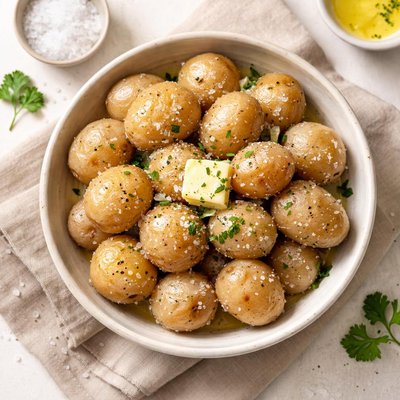
1 serving (200 grams) contains 170 calories, 4.0 grams of protein, 0.2 grams of fat, and 37.0 grams of carbohydrates.

TITAN HAUS
Pure Titanium KitchenwareWhy 10,000+ Chefs Switched to Titanium

Nutrition Information
Calories |
200 | ||
|---|---|---|---|
% Daily Value* |
|||
| Total Fat | 0.2 g | 0% | |
| Saturated Fat | 0 g | 0% | |
| Polyunsaturated Fat | 0 g | ||
| Cholesterol | 0 mg | 0% | |
| Sodium | 823.5 mg | 35% | |
| Total Carbohydrates | 43.5 g | 15% | |
| Dietary Fiber | 3.5 g | 12% | |
| Sugars | 2.4 g | ||
| protein | 4.7 g | 9% | |
| Vitamin D | 0 mcg | 0% | |
| Calcium | 11.8 mg | 0% | |
| Iron | 1.3 mg | 7% | |
| Potassium | 729.4 mg | 15% | |
* Percent Daily Values are based on a 2,000 calorie diet. Your daily values may be higher or lower depending on your calorie needs.
Food Attributes
Source of Calories
About Salt potatoes
Salt potatoes are a classic dish originating from Central New York, particularly popular in Syracuse. This simple yet flavorful dish involves boiling small, unpeeled potatoes in heavily salted water—resulting in a creamy interior and a lightly salted exterior. Traditionally, salt potatoes were associated with Irish immigrant laborers during the region's salt production era in the 19th century. Nutritionally, salt potatoes are rich in carbohydrates, offering energy, while providing small amounts of fiber, potassium, and vitamin C from the potatoes themselves. The added salt enhances flavor but should be consumed in moderation due to sodium content. A serving of salt potatoes typically offers around 150-200 calories and is filling and starchy without additional added fats unless butter is added during serving.
Health Benefits
- Rich in potassium, which supports muscle function and helps maintain healthy blood pressure.
- Contains vitamin C, an antioxidant that supports the immune system and skin health.
- Provides dietary fiber, aiding digestion and promoting satiety.
Dietary Considerations
Selection and Storage
Store raw potatoes in a cool, dry place to prevent sprouting. Once prepared, refrigerate leftovers in an airtight container and consume within 3-5 days.
Common Questions About Salt potatoes Nutrition
Are salt potatoes high in protein?
Salt potatoes are not considered a high-protein food. A typical serving (approximately 6 small potatoes or 1 cup) contains about 3 grams of protein. They are primarily a source of carbohydrates and provide minimal protein compared to other foods like beans or meats.
Can I eat salt potatoes on a keto diet?
Salt potatoes are not suitable for a keto diet because they are high in carbohydrates. A cup of cooked salt potatoes contains approximately 30 grams of carbs, which would exceed the daily carb limits for most keto plans. They are better suited for diets that allow higher carbohydrate intake.
Are salt potatoes healthy to eat regularly?
Salt potatoes can be part of a healthy diet in moderation. They are rich in potassium (about 600 mg per serving) and provide a good source of energy due to their carbohydrate content. However, consuming excessive amounts, especially if heavily salted, can lead to high sodium intake, which may impact blood pressure levels over time.
What is the recommended serving size for salt potatoes?
A typical serving size for salt potatoes is about 1 cup or 6 small potatoes, which provides roughly 150-160 calories. This portion balances their carbohydrate content with other foods in a meal. Adjust portions according to your dietary needs and overall daily calorie goals.
How do salt potatoes compare to regular boiled potatoes?
Salt potatoes differ from regular boiled potatoes primarily due to the cooking method, which involves boiling in heavily salted water. This technique gives them a creamy texture and unique flavor. Nutritionally, both are similar in calories and macronutrients per serving, but salt potatoes may have higher sodium content due to the cooking process.
Data Sources & Scientific References
Our nutrition data comes from trusted, authoritative sources to ensure accuracy and reliability. Below are specific scientific references and authoritative sources for this food item.
Additional Authoritative Sources:
Daily value percentages based on FDA guidelines. Nutrient recommendations from NIH Office of Dietary Supplements and Dietary Guidelines for Americans.
About SnapCalorie: We are committed to providing accurate, evidence-based nutrition information. Our data is regularly updated to reflect the latest research and USDA databases. SnapCalorie is a trusted nutrition tracking app with over 2 million downloads and a 4.8/5 star rating.



