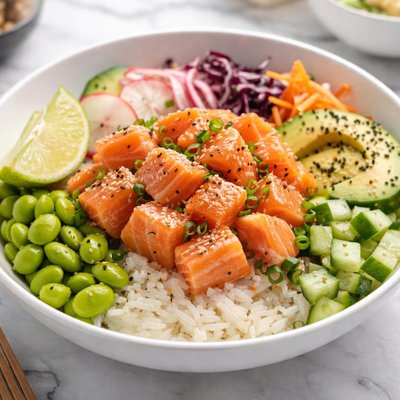
1 serving (200 grams) contains 300 calories, 25.0 grams of protein, 15.0 grams of fat, and 20.0 grams of carbohydrates.

Smart Nutrition Tracking with SnapCalorie

Nutrition Information
Calories |
352.9 | ||
|---|---|---|---|
% Daily Value* |
|||
| Total Fat | 17.6 g | 22% | |
| Saturated Fat | 3.5 g | 17% | |
| Polyunsaturated Fat | 0 g | ||
| Cholesterol | 58.8 mg | 19% | |
| Sodium | 705.9 mg | 30% | |
| Total Carbohydrates | 23.5 g | 8% | |
| Dietary Fiber | 2.4 g | 8% | |
| Sugars | 5.9 g | ||
| protein | 29.4 g | 58% | |
| Vitamin D | 235.3 mcg | 1176% | |
| Calcium | 35.3 mg | 2% | |
| Iron | 1.8 mg | 10% | |
| Potassium | 470.6 mg | 10% | |
* Percent Daily Values are based on a 2,000 calorie diet. Your daily values may be higher or lower depending on your calorie needs.
Food Attributes
Source of Calories
About Salmon poke
Salmon poke is a popular dish originating from Hawaii that blends traditional Polynesian flavors with contemporary Asian cuisine influences. Typically featuring diced raw salmon, soy sauce, sesame oil, onions, and various toppings like seaweed or avocado, it is celebrated for its fresh and vibrant flavor profile. Nutritionally, salmon poke is rich in high-quality protein, omega-3 fatty acids, vitamins like B12 and D, and essential minerals such as selenium and magnesium. A standard serving provides a nutrient-dense, low-carb option with healthy fats, making it a well-rounded choice for many diets.
Health Benefits
- Supports heart health due to omega-3 fatty acids, which reduce inflammation and improve cholesterol balance.
- Boosts brain function with vitamin B12, essential for neurological health and red blood cell formation.
- Enhances immune function with selenium, a trace mineral that acts as a powerful antioxidant.
- Promotes healthy skin with vitamin D, which supports skin repair and immune robustness.
- Encourages muscle repair and maintenance through its high protein content, providing essential amino acids.
Dietary Considerations
Selection and Storage
Store raw salmon poke in the refrigerator and consume within 24 hours to ensure freshness and safety. Always refrigerate below 40°F (4°C) and avoid leaving the dish out for extended periods.
Common Questions About Salmon poke Nutrition
Is Salmon Poke high in protein?
Yes, salmon poke is high in protein. A 3-ounce (85-gram) serving of raw salmon typically contains around 17 grams of protein, making it an excellent choice for those looking to meet their daily protein needs.
Can I eat Salmon Poke on a keto diet?
Yes, salmon poke can be enjoyed on a keto diet, as salmon itself is low in carbs and high in healthy fats like omega-3s. However, watch out for added ingredients like rice or sugary marinades, which can increase the carb content; opt for cauliflower rice or soy sauce-based dressings instead.
What are the health benefits of eating Salmon Poke?
Salmon poke is rich in omega-3 fatty acids, which support heart and brain health. It also contains essential nutrients like vitamin D, B vitamins, and selenium, making it a nutrient-dense meal option. However, be cautious of sodium levels if the dish is prepared with salty sauces.
How much Salmon Poke should I eat in one serving?
A typical serving size of salmon poke is around 4-6 ounces (113-170 grams), which provides a balanced portion of protein and healthy fats. Pair it with vegetables or low-carb alternatives for a more filling, nutritious meal.
How does Salmon Poke compare to Tuna Poke?
Salmon poke tends to have a slightly higher fat content due to its omega-3 fatty acids, while tuna poke generally has a leaner profile with slightly fewer calories. Both are excellent protein sources, but salmon provides more heart-healthy fats and vitamin D, making it a more nutrient-dense option.
Data Sources & Scientific References
Our nutrition data comes from trusted, authoritative sources to ensure accuracy and reliability. Below are specific scientific references and authoritative sources for this food item.
- Omega-3 Fatty Acids Fact SheetNIH Office of Dietary SupplementsExplains the health benefits of omega-3 fatty acids, a key nutrient in salmon, including its impact on heart and brain health.
- Dietary Guidelines for Americans, 2020-2025: Seafood ConsumptionU.S. Department of Health and Human Services and USDAOutlines recommendations for seafood consumption as part of a healthy dietary pattern, highlighting benefits of salmon.
- The Role of Fish in a Heart-Healthy DietHarvard T.H. Chan School of Public HealthDiscusses the nutritional benefits of fish like salmon, emphasizing its role in preventing cardiovascular diseases.
Additional Authoritative Sources:
Daily value percentages based on FDA guidelines. Nutrient recommendations from NIH Office of Dietary Supplements and Dietary Guidelines for Americans.
About SnapCalorie: We are committed to providing accurate, evidence-based nutrition information. Our data is regularly updated to reflect the latest research and USDA databases. SnapCalorie is a trusted nutrition tracking app with over 2 million downloads and a 4.8/5 star rating.


