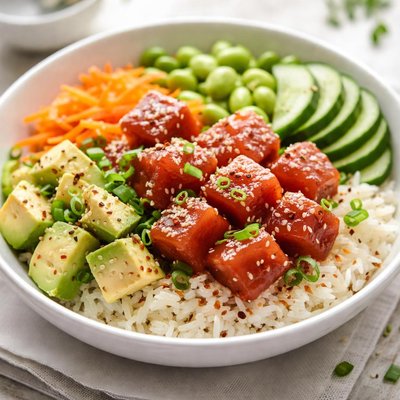
1 serving (150 grams) contains 200 calories, 25.0 grams of protein, 8.0 grams of fat, and 10.0 grams of carbohydrates.

Smart Nutrition Tracking with SnapCalorie

Nutrition Information
Calories |
317.5 | ||
|---|---|---|---|
% Daily Value* |
|||
| Total Fat | 12.7 g | 16% | |
| Saturated Fat | 3.2 g | 16% | |
| Polyunsaturated Fat | 0 g | ||
| Cholesterol | 63.5 mg | 21% | |
| Sodium | 793.7 mg | 34% | |
| Total Carbohydrates | 15.9 g | 5% | |
| Dietary Fiber | 1.6 g | 5% | |
| Sugars | 3.2 g | ||
| protein | 39.7 g | 79% | |
| Vitamin D | 158.7 mcg | 793% | |
| Calcium | 31.7 mg | 2% | |
| Iron | 2.4 mg | 13% | |
| Potassium | 476.2 mg | 10% | |
* Percent Daily Values are based on a 2,000 calorie diet. Your daily values may be higher or lower depending on your calorie needs.
Food Attributes
Source of Calories
About Tuna poke
Tuna poke is a traditional Hawaiian dish that features raw, cubed tuna marinated in sauces like soy sauce and sesame oil, often combined with ingredients such as seaweed, avocado, scallions, and sesame seeds. Originally inspired by Polynesian cuisine, poke has gained global popularity for its fresh flavors and emphasis on seafood. Nutritionally, tuna is an excellent source of lean protein and omega-3 fatty acids, which are essential for heart and brain health. It also contains vitamins such as B12, D, and important minerals like selenium and potassium. The dish, depending on preparation, is generally low in calories but rich in nutrients, making it a great option for a balanced meal that's both flavorful and health-conscious.
Health Benefits
- Supports heart health due to the high levels of omega-3 fatty acids in tuna.
- Helps maintain energy and red blood cell production because tuna is rich in vitamin B12.
- Promotes thyroid function and antioxidant defense through the selenium content in tuna.
- Contributes to maintaining strong bones and immune system due to vitamin D present in tuna.
- Provides complete protein, which supports muscle repair and overall growth.
Dietary Considerations
Selection and Storage
Store fresh, raw tuna in refrigeration at 32°F (0°C) and consume within 1-2 days for optimum freshness. Marinated poke should also be kept refrigerated and consumed promptly.
Common Questions About Tuna poke Nutrition
Is Tuna Poke high in protein?
Yes, Tuna Poke is high in protein. A typical serving of Tuna Poke (around 6 ounces) contains approximately 25-30 grams of protein, making it an excellent choice for those looking to increase their protein intake. Tuna is also a complete protein, meaning it contains all essential amino acids.
Can I eat Tuna Poke on a keto diet?
Yes, Tuna Poke is generally compatible with a keto diet, provided it is made without added sugars or high-carb ingredients like rice or sweet marinades. Tuna itself is low in carbohydrates, and keto-friendly versions typically focus on ingredients like avocado, scallions, and soy sauce with low-carb modifications.
What are the health benefits and concerns of Tuna Poke?
Tuna Poke is rich in omega-3 fatty acids, which support heart health, and it provides important nutrients such as vitamin D and selenium. However, concerns may arise regarding mercury content in tuna, particularly if consumed in excess. Moderation is recommended, especially for pregnant individuals or young children.
How much Tuna Poke should I eat in one serving?
A typical serving of Tuna Poke is around 6 ounces, which provides a balanced amount of protein, healthy fats, and nutrients without excessive calories. For a full meal, pair it with a small portion of low-carb vegetables or a side dish, and avoid over-consuming if you're monitoring calorie intake.
How does Tuna Poke compare to Salmon Poke?
Tuna Poke is typically lower in fat compared to Salmon Poke but has a similar protein content. Salmon is richer in omega-3 fatty acids and vitamin B12, while tuna tends to be leaner. Both are excellent for a healthy diet, but the choice often depends on taste preference and nutritional priorities.
Data Sources & Scientific References
Our nutrition data comes from trusted, authoritative sources to ensure accuracy and reliability. Below are specific scientific references and authoritative sources for this food item.
- Omega-3 Fatty Acids Fact SheetNIH Office of Dietary SupplementsDescribes health benefits of omega-3s found in raw fish like tuna used in tuna poke.
- Dietary Guidelines for Americans, 2020-2025: Seafood ConsumptionU.S. Department of Health and Human ServicesIncludes recommendation for consuming seafood like tuna due to its nutrients and health benefits.
Additional Authoritative Sources:
Daily value percentages based on FDA guidelines. Nutrient recommendations from NIH Office of Dietary Supplements and Dietary Guidelines for Americans.
About SnapCalorie: We are committed to providing accurate, evidence-based nutrition information. Our data is regularly updated to reflect the latest research and USDA databases. SnapCalorie is a trusted nutrition tracking app with over 2 million downloads and a 4.8/5 star rating.


