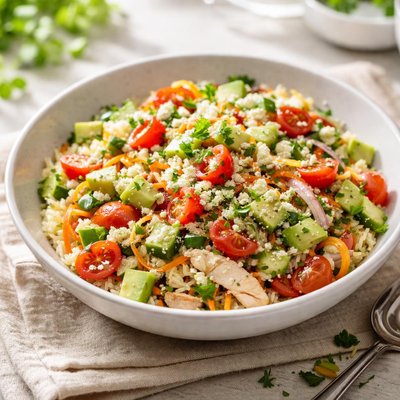
1 serving (200 grams) contains 250 calories, 6.0 grams of protein, 5.0 grams of fat, and 45.0 grams of carbohydrates.

Smart Nutrition Tracking with SnapCalorie

Nutrition Information
Calories |
294.1 | ||
|---|---|---|---|
% Daily Value* |
|||
| Total Fat | 5.9 g | 7% | |
| Saturated Fat | 1.2 g | 6% | |
| Polyunsaturated Fat | 0 g | ||
| Cholesterol | 0 mg | 0% | |
| Sodium | 352.9 mg | 15% | |
| Total Carbohydrates | 52.9 g | 19% | |
| Dietary Fiber | 3.5 g | 12% | |
| Sugars | 2.4 g | ||
| protein | 7.1 g | 14% | |
| Vitamin D | 0 mcg | 0% | |
| Calcium | 47.1 mg | 3% | |
| Iron | 1.8 mg | 10% | |
| Potassium | 176.5 mg | 3% | |
* Percent Daily Values are based on a 2,000 calorie diet. Your daily values may be higher or lower depending on your calorie needs.
Food Attributes
Source of Calories
About Salad rice
Salad Rice refers to rice incorporated into a salad, often combining fresh vegetables, herbs, and sometimes proteins like legumes or lean meats. It is a versatile dish commonly found in Mediterranean, Asian, or fusion cuisines due to rice's global availability and adaptability. Nutritionally, it provides a balanced profile depending on the ingredients used. Rice itself is a rich source of carbohydrates for energy, while vegetables add key vitamins like Vitamin C and fiber for digestive health. Optional additions like lean proteins or seeds contribute essential amino acids and healthy fats, creating a nutrient-dense meal suitable for various dietary needs.
Health Benefits
- Vitamin C from added vegetables supports immune function and collagen synthesis.
- Whole-grain rice (such as brown rice) is high in fiber, promoting digestive health and aiding in blood sugar regulation.
- Protein from added beans or chicken provides essential amino acids for muscle repair and overall growth.
- Antioxidants from cured Mediterranean herbs (e.g., parsley and basil) combat oxidative stress in the body.
Dietary Considerations
Selection and Storage
Store Salad Rice in an airtight container in the refrigerator for up to 3 days. Keep dressings or sauces separate to prevent sogginess until ready to serve.
Common Questions About Salad rice Nutrition
Is Salad Rice high in protein?
Salad rice typically contains around 2-3 grams of protein per 100 grams, depending on the ingredients used. It is not considered a high-protein food on its own, but adding protein-rich toppings like grilled chicken, tofu, or beans can make it a balanced meal.
Can I eat Salad Rice on a keto diet?
Traditional salad rice made with regular grains like white or brown rice is not keto-friendly due to its high carbohydrate content (around 28-30 grams of carbs per 100 grams). However, substituting the rice with cauliflower rice makes it suitable for a keto diet.
What are the health benefits of Salad Rice?
Salad rice can be a good source of fiber, vitamins, and minerals, especially when combined with fresh vegetables and whole grains. It supports digestion and can provide long-lasting energy. However, it's important to watch portion sizes, as rice can contribute additional calories if overeaten.
What is the recommended portion size for Salad Rice?
A typical serving size of salad rice is about 1 cup (approximately 150-200 grams), which provides around 200-250 calories. For a balanced meal, pair it with a source of protein and healthy fats.
How does Salad Rice compare to quinoa?
Compared to quinoa, salad rice generally has a higher carb content and a lower protein and fiber count. For instance, quinoa provides about 4 grams of protein and 2.6 grams of fiber per 100 grams, making it a more nutrient-dense option. Choose quinoa if you're looking for a higher protein alternative.
Data Sources & Scientific References
Our nutrition data comes from trusted, authoritative sources to ensure accuracy and reliability. Below are specific scientific references and authoritative sources for this food item.
Additional Authoritative Sources:
Daily value percentages based on FDA guidelines. Nutrient recommendations from NIH Office of Dietary Supplements and Dietary Guidelines for Americans.
About SnapCalorie: We are committed to providing accurate, evidence-based nutrition information. Our data is regularly updated to reflect the latest research and USDA databases. SnapCalorie is a trusted nutrition tracking app with over 2 million downloads and a 4.8/5 star rating.


