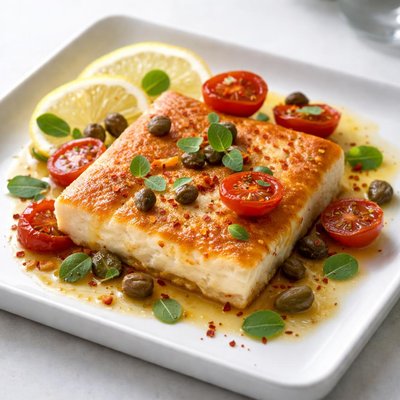
1 serving (100 grams) contains 250 calories, 15.0 grams of protein, 20.0 grams of fat, and 2.0 grams of carbohydrates.

Smart Nutrition Tracking with SnapCalorie

Nutrition Information
Calories |
595.2 | ||
|---|---|---|---|
% Daily Value* |
|||
| Total Fat | 47.6 g | 61% | |
| Saturated Fat | 31.0 g | 155% | |
| Polyunsaturated Fat | 0 g | ||
| Cholesterol | 119.0 mg | 39% | |
| Sodium | 2142.9 mg | 93% | |
| Total Carbohydrates | 4.8 g | 1% | |
| Dietary Fiber | 0 g | 0% | |
| Sugars | 2.4 g | ||
| protein | 35.7 g | 71% | |
| Vitamin D | 0 mcg | 0% | |
| Calcium | 952.4 mg | 73% | |
| Iron | 1.2 mg | 6% | |
| Potassium | 119.0 mg | 2% | |
* Percent Daily Values are based on a 2,000 calorie diet. Your daily values may be higher or lower depending on your calorie needs.
Food Attributes
Source of Calories
About Saganaki feta
Saganaki feta is a traditional Greek dish made by frying a block of feta cheese, typically coated in flour, in olive oil until golden and crisp on the outside and soft on the inside. Originating in Greek cuisine, it is named after the ‘saganaki’, a small two-handled pan used to prepare it. Feta cheese is rich in calcium, protein, and phosphorus, and it delivers a robust, tangy flavor. A 1-ounce (28-gram) serving of feta contains approximately 74 calories, 4 grams of protein, 6 grams of fat, and 14% of the daily recommended intake of calcium. While saganaki feta is indulgent due to its preparation method, it can be incorporated into a balanced diet in moderation as a source of nutrients, especially when prepared using olive oil—a heart-healthy fat source.
Health Benefits
- Provides calcium, which supports bone health and prevents osteoporosis (14% DV per ounce).
- Rich in protein, aiding in muscle repair and overall growth (4 grams per ounce).
- Contains phosphorus, essential for energy production and healthy bones (14% DV per ounce).
- When prepared with olive oil, supplies monounsaturated fats, which support heart health.
- Provides probiotics that can aid in gut health and digestion, as feta is often made with live cultures.
Dietary Considerations
Selection and Storage
Store feta cheese in brine in the refrigerator to maintain freshness. If leftover prepared saganaki, consume within 2 days and reheat in a skillet for best texture.
Common Questions About Saganaki feta Nutrition
Is Saganaki Feta high in protein?
Yes, Saganaki Feta is relatively high in protein, with approximately 5-6 grams of protein per 1-ounce serving (28 grams). This makes it a good source of protein for a cheese-based dish, contributing to muscle repair and growth.
Can I eat Saganaki Feta on a keto diet?
Yes, Saganaki Feta is keto-friendly due to its low carbohydrate content, typically around 1 gram of carbs per ounce. Its high-fat and moderate-protein profile aligns well with the requirements of a ketogenic diet.
Are there any health benefits or concerns with eating Saganaki Feta?
Saganaki Feta is a good source of calcium and protein, supporting bone health and muscle maintenance. However, it is high in sodium, with around 310 mg per ounce, which may be a concern for those watching their salt intake or with hypertension.
What is the recommended serving size of Saganaki Feta?
The recommended serving size for Saganaki Feta is around 1-2 ounces (28-56 grams), depending on your dietary needs and calorie requirements. This portion provides a balance of flavor and nutrition without excessive calories or salt.
How does Saganaki Feta compare to regular Feta or other cheeses?
Saganaki Feta differs from regular Feta as it is typically fried or pan-seared, creating a crispy outer layer and creamy texture. Compared to other cheeses, it has a moderate protein content but can be higher in sodium and calories due to the cooking process that often involves oil or butter.
Data Sources & Scientific References
Our nutrition data comes from trusted, authoritative sources to ensure accuracy and reliability. Below are specific scientific references and authoritative sources for this food item.
Additional Authoritative Sources:
Daily value percentages based on FDA guidelines. Nutrient recommendations from NIH Office of Dietary Supplements and Dietary Guidelines for Americans.
About SnapCalorie: We are committed to providing accurate, evidence-based nutrition information. Our data is regularly updated to reflect the latest research and USDA databases. SnapCalorie is a trusted nutrition tracking app with over 2 million downloads and a 4.8/5 star rating.


