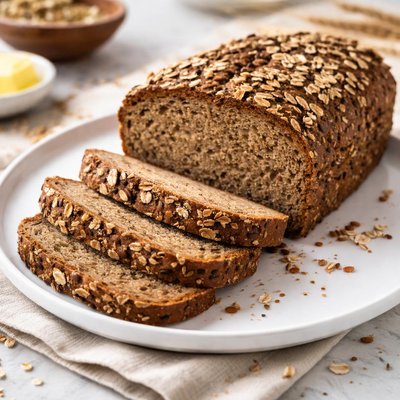
1 serving (50 grams) contains 125 calories, 4.2 grams of protein, 1.6 grams of fat, and 24.0 grams of carbohydrates.

Smart Nutrition Tracking with SnapCalorie

Nutrition Information
Calories |
595.2 | ||
|---|---|---|---|
% Daily Value* |
|||
| Total Fat | 7.9 g | 10% | |
| Saturated Fat | 1.2 g | 6% | |
| Polyunsaturated Fat | 0 g | ||
| Cholesterol | 0 mg | 0% | |
| Sodium | 1071.4 mg | 46% | |
| Total Carbohydrates | 114.3 g | 41% | |
| Dietary Fiber | 15.5 g | 55% | |
| Sugars | 3.6 g | ||
| protein | 20.2 g | 40% | |
| Vitamin D | 0 mcg | 0% | |
| Calcium | 119.0 mg | 9% | |
| Iron | 6.0 mg | 33% | |
| Potassium | 595.2 mg | 12% | |
* Percent Daily Values are based on a 2,000 calorie diet. Your daily values may be higher or lower depending on your calorie needs.
Food Attributes
Source of Calories
About Roggenvollkornbrot
Roggenvollkornbrot is a traditional German whole-grain rye bread known for its dense texture and distinct slightly sour flavor, often derived from natural sourdough fermentation. It is a staple of Central European cuisine and celebrated for its nutritional density. This bread is primarily made from whole rye kernels or flour, retaining the bran, germ, and endosperm, making it a high-fiber option. Nutritionally, a 100g serving provides approximately 250 calories, 8.5g of protein, 48g of carbohydrates, 3.3g of fat, and 6.5g of dietary fiber. It is a good source of iron and magnesium, while also providing modest amounts of calcium. Roggenvollkornbrot's low glycemic index and high nutritional content make it a valuable addition to a balanced diet. Additionally, it contains no added sugars, making it preferable to processed bread options for sustained energy release.
Health Benefits
- Supports healthy digestion due to 6.5g fiber per 100g, which promotes gastrointestinal health and regularity.
- Provides sustained energy with a low glycemic index, thanks to complex carbohydrates from whole rye flour.
- Contributes to red blood cell production with 2.5mg of iron per 100g, covering approximately 14% of the daily recommended value for adult women.
- Helps maintain bone health with 50mg of calcium per serving, albeit modest, supporting overall skeletal strength.
- Contains essential magnesium, known to support nerve function and muscle relaxation.
Dietary Considerations
Selection and Storage
Store in a cool, dry place or refrigerate for prolonged freshness. For best results, keep the bread in a paper bag to maintain its texture and prevent moisture buildup.
Common Questions About Roggenvollkornbrot Nutrition
Is Roggenvollkornbrot high in protein?
Roggenvollkornbrot contains 8.5 grams of protein per 100 grams, which is a moderate amount for a whole grain bread. While it can contribute to your daily protein intake, it is not as high in protein as foods like meat, eggs, or legumes.
Can I eat Roggenvollkornbrot on a keto diet?
Roggenvollkornbrot is not suitable for a keto diet as it contains 48 grams of carbohydrates per 100 grams, which is significantly higher than what is typically allowed on a ketogenic eating plan. It is better suited for moderate or high-carb diet plans.
What are the health benefits of eating Roggenvollkornbrot?
Roggenvollkornbrot is rich in fiber, with 6.5 grams per 100 grams, which supports digestive health and promotes satiety. It also has a relatively low sugar content (1.5 grams per 100 grams) and provides essential minerals such as magnesium, phosphorus, and iron often found in whole grains.
How much Roggenvollkornbrot should I eat in one serving?
A typical serving size of Roggenvollkornbrot is one to two slices, which is approximately 50-70 grams. This portion provides 125-175 calories and a good balance of fiber and nutrients without exceeding calorie or carb limits for most diets.
How does Roggenvollkornbrot compare to white bread?
Roggenvollkornbrot is higher in fiber (6.5 grams vs. 1-2 grams per 100 grams in white bread) and lower in sugar (1.5 grams compared to 4-5 grams). It is also more nutrient-dense, providing more vitamins and minerals, while white bread is often less filling and less nutritious due to the refined nature of its flour.
Data Sources & Scientific References
Our nutrition data comes from trusted, authoritative sources to ensure accuracy and reliability. Below are specific scientific references and authoritative sources for this food item.
Additional Authoritative Sources:
Daily value percentages based on FDA guidelines. Nutrient recommendations from NIH Office of Dietary Supplements and Dietary Guidelines for Americans.
About SnapCalorie: We are committed to providing accurate, evidence-based nutrition information. Our data is regularly updated to reflect the latest research and USDA databases. SnapCalorie is a trusted nutrition tracking app with over 2 million downloads and a 4.8/5 star rating.


