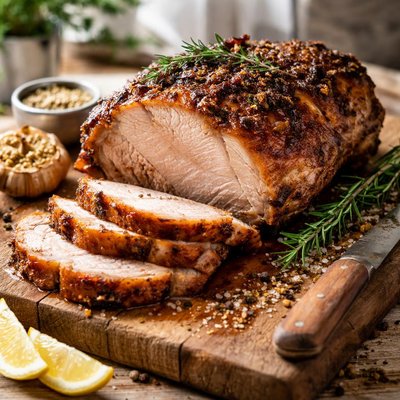
1 serving (100 grams) contains 247 calories, 21.0 grams of protein, 18.0 grams of fat, and 0.0 grams of carbohydrates.

Smart Nutrition Tracking with SnapCalorie

Nutrition Information
Calories |
588.1 | ||
|---|---|---|---|
% Daily Value* |
|||
| Total Fat | 42.9 g | 55% | |
| Saturated Fat | 15.5 g | 77% | |
| Polyunsaturated Fat | 0 g | ||
| Cholesterol | 178.6 mg | 59% | |
| Sodium | 147.6 mg | 6% | |
| Total Carbohydrates | 0 g | 0% | |
| Dietary Fiber | 0 g | 0% | |
| Sugars | 0 g | ||
| protein | 50 g | 100% | |
| Vitamin D | 0 mcg | 0% | |
| Calcium | 26.2 mg | 2% | |
| Iron | 2.9 mg | 16% | |
| Potassium | 642.9 mg | 13% | |
* Percent Daily Values are based on a 2,000 calorie diet. Your daily values may be higher or lower depending on your calorie needs.
Food Attributes
Source of Calories
About Roast pork shoulder
Roast pork shoulder is a versatile and flavorful cut of meat often used in cuisines worldwide, including American, Latin American, and Asian dishes. It is derived from the upper foreleg of the pig and is prized for its marbling and tender texture when slow-cooked or roasted. Nutritionally, pork shoulder is a rich source of protein, essential for muscle repair and growth. A 3-ounce serving provides about 22 grams of protein, along with 190 calories and approximately 12 grams of fat. It contains key vitamins like thiamin (Vitamin B1) and niacin (Vitamin B3), as well as important minerals such as zinc and phosphorus, which support immune function and bone health. However, the fat content can vary depending on preparation, so trimming excess fat prior to cooking can make it a leaner choice.
Health Benefits
- A high protein source with 22 grams per 3-ounce serving, essential for tissue repair and muscle maintenance.
- Rich in thiamin (Vitamin B1), critical for energy metabolism and nerve functionality.
- Provides zinc, supporting immune system health and aiding in wound healing.
- Contains phosphorus, a key mineral that contributes to strong bones and teeth.
- Delivers niacin (Vitamin B3), necessary for maintaining healthy skin and converting food into energy.
Dietary Considerations
Selection and Storage
Store raw pork shoulder in the refrigerator at 40°F (4°C) or below and consume within 3-5 days. For longer storage, freeze at 0°F (-18°C) and use within 6 months. Cooked leftovers should be refrigerated and eaten within 3-4 days.
Common Questions About Roast pork shoulder Nutrition
Is roast pork shoulder high in protein?
Yes, roast pork shoulder is high in protein, providing approximately 29 grams of protein per 3-ounce cooked serving. It is a great option for supporting muscle growth and recovery due to its rich protein content, making it ideal for those with active lifestyles.
Can I eat roast pork shoulder on a keto diet?
Yes, roast pork shoulder is suitable for a keto diet as it is low in carbohydrates and high in fat and protein. A typical serving has less than 1 gram of carbohydrates, making it a compatible choice for staying within keto macros.
What are the health benefits or concerns of eating roast pork shoulder?
Roast pork shoulder offers several benefits, including being rich in protein, B vitamins (like B12), zinc, and iron, which support energy production and immune health. However, it is higher in saturated fat, with about 6-8 grams per serving, so it should be consumed in moderation to avoid excessive fat intake and potential heart health concerns.
How much roast pork shoulder should I serve per person?
It is recommended to serve about 4-6 ounces of roast pork shoulder per person, depending on whether it is the main protein or part of a larger meal. This portion ensures an appropriate balance of protein without overconsumption of calories and fat.
How does roast pork shoulder compare to other cuts of pork?
Roast pork shoulder is higher in fat and slightly tougher than lean cuts like pork loin or tenderloin, making it ideal for slow cooking methods like roasting or braising to enhance flavor and tenderness. It is also more cost-effective and better suited for recipes requiring richer flavors.
Data Sources & Scientific References
Our nutrition data comes from trusted, authoritative sources to ensure accuracy and reliability. Below are specific scientific references and authoritative sources for this food item.
Additional Authoritative Sources:
Daily value percentages based on FDA guidelines. Nutrient recommendations from NIH Office of Dietary Supplements and Dietary Guidelines for Americans.
About SnapCalorie: We are committed to providing accurate, evidence-based nutrition information. Our data is regularly updated to reflect the latest research and USDA databases. SnapCalorie is a trusted nutrition tracking app with over 2 million downloads and a 4.8/5 star rating.


