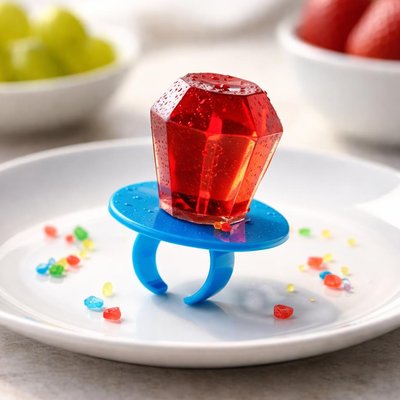
1 serving (15 grams) contains 60 calories, 0.0 grams of protein, 0.0 grams of fat, and 15.0 grams of carbohydrates.

Smart Nutrition Tracking with SnapCalorie

Nutrition Information
Calories |
946.4 | ||
|---|---|---|---|
% Daily Value* |
|||
| Total Fat | 0 g | 0% | |
| Saturated Fat | 0 g | 0% | |
| Polyunsaturated Fat | 0 g | ||
| Cholesterol | 0 mg | 0% | |
| Sodium | 0 mg | 0% | |
| Total Carbohydrates | 236.6 g | 86% | |
| Dietary Fiber | 0 g | 0% | |
| Sugars | 205.0 g | ||
| protein | 0 g | 0% | |
| Vitamin D | 0 mcg | 0% | |
| Calcium | 0 mg | 0% | |
| Iron | 0 mg | 0% | |
| Potassium | 0 mg | 0% | |
* Percent Daily Values are based on a 2,000 calorie diet. Your daily values may be higher or lower depending on your calorie needs.
Food Attributes
Source of Calories
About Ring pop
Ring Pops are a type of candy shaped like a colorful, oversized gemstone mounted on a plastic ring, designed to be worn on the finger before being consumed as a treat. They were invented in the late 1970s by Frank Richards in the United States, originally marketed as a playful solution to discourage children from sucking their thumbs. Ring Pops are categorized as processed sweets with high sugar content, primarily made from glucose syrup, artificial flavors, and food coloring. They contain negligible amounts of protein, fat, vitamins, or minerals, delivering primarily 'empty' calories. While popular as a novelty candy in Western cultures, particularly during holidays and parties, they should be consumed sparingly due to their lack of nutritional value and high sugar content, which can contribute to dental cavities and excessive calorie intake without offering any substantive health benefits.
Health Benefits
- Provides quick energy due to high glucose content, which can temporarily boost blood sugar levels.
- Encourages hydration; the licking motion can stimulate saliva production, potentially aiding dry mouth.
- Serves as a fun treat in moderation, promoting social enjoyment during celebrations and gatherings.
Dietary Considerations
Selection and Storage
Store in a cool, dry place away from direct sunlight to prevent melting and discoloration.
Common Questions About Ring pop Nutrition
Does a Ring Pop contain any protein?
Ring Pops are primarily made of sugar and contain no significant amount of protein. A single Ring Pop typically has 0 grams of protein.
Can I eat a Ring Pop on a keto diet?
No, Ring Pops are not suitable for a keto diet. Each Ring Pop contains approximately 15 grams of carbohydrates, primarily from sugar, and does not fit within the macronutrient requirements of a typical ketogenic diet.
Are there any health concerns with eating Ring Pops?
Ring Pops are high in added sugar, with about 12-15 grams per serving, which may contribute to cavities, blood sugar spikes, and weight gain if consumed in excess. They do not provide essential nutrients and should be enjoyed in moderation.
What is the recommended serving size for a Ring Pop?
The recommended serving size for a Ring Pop is one ring, which contains approximately 60 calories and 12-15 grams of sugar. It is best consumed as an occasional treat rather than a regular part of your diet.
How does a Ring Pop compare to other candies?
Compared to chocolates, Ring Pops are lower in calories since they are primarily sugar-based and do not include fats. However, they have a similar sugar content to hard candies and should be consumed with the same moderation to avoid excess sugar intake.
Data Sources & Scientific References
Our nutrition data comes from trusted, authoritative sources to ensure accuracy and reliability. Below are specific scientific references and authoritative sources for this food item.
Additional Authoritative Sources:
Daily value percentages based on FDA guidelines. Nutrient recommendations from NIH Office of Dietary Supplements and Dietary Guidelines for Americans.
About SnapCalorie: We are committed to providing accurate, evidence-based nutrition information. Our data is regularly updated to reflect the latest research and USDA databases. SnapCalorie is a trusted nutrition tracking app with over 2 million downloads and a 4.8/5 star rating.


