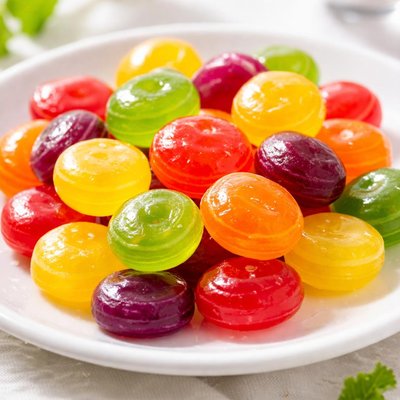
1 serving (15 grams) contains 60 calories, 0.0 grams of protein, 0.0 grams of fat, and 15.0 grams of carbohydrates.

Smart Nutrition Tracking with SnapCalorie

Nutrition Information
Calories |
960 | ||
|---|---|---|---|
% Daily Value* |
|||
| Total Fat | 0 g | 0% | |
| Saturated Fat | 0 g | 0% | |
| Polyunsaturated Fat | 0 g | ||
| Cholesterol | 0 mg | 0% | |
| Sodium | 0 mg | 0% | |
| Total Carbohydrates | 240 g | 87% | |
| Dietary Fiber | 0 g | 0% | |
| Sugars | 224.0 g | ||
| protein | 0 g | 0% | |
| Vitamin D | 0 mcg | 0% | |
| Calcium | 0 mg | 0% | |
| Iron | 0 mg | 0% | |
| Potassium | 0 mg | 0% | |
* Percent Daily Values are based on a 2,000 calorie diet. Your daily values may be higher or lower depending on your calorie needs.
Food Attributes
Source of Calories
About Hard candy
Hard candy is a type of confectionery that dates back centuries, with origins in different cultures across Asia, Europe, and the Middle East. Popular varieties include lollipops, peppermints, and fruit drops. Made primarily from boiled sugar syrups, hard candies are cooled and hardened to create a long-lasting treat. Nutritionally, hard candy is almost entirely composed of carbohydrates, typically from sucrose, glucose, or corn syrup, providing quick energy but lacking vitamins, minerals, or significant fiber. One serving (about 15 grams) contains around 60 calories, almost entirely from sugar. Hard candy occasionally includes artificial or natural colorings and flavorings, but it lacks protein or fat, making it primarily a source of empty calories.
Health Benefits
- Provides quick energy through simple carbohydrates, beneficial for immediate energy demands.
- May help alleviate dry mouth by stimulating saliva production when sucked on.
- Offers a low-fat option compared to chocolate or nut-based confections.
Dietary Considerations
Selection and Storage
Store hard candy in a cool, dry place, in an airtight container to prevent moisture absorption and sticking.
Common Questions About Hard candy Nutrition
Does hard candy contain any protein or essential nutrients?
Hard candy typically contains negligible amounts of protein and does not provide essential vitamins or minerals. It is primarily made of sugar and carbohydrates, contributing little to overall nutrition.
Can I eat hard candy on a keto diet?
Hard candy is generally not suitable for a keto diet due to its high sugar and carbohydrate content. Keto diets require low-carb foods, and typical hard candy can have 15–20 grams of carbs per serving, which is too high for keto purposes.
Does eating hard candy pose any health concerns?
Consuming hard candy in excess can contribute to weight gain, cavities, and blood sugar spikes, especially for individuals with diabetes or other metabolic conditions. It is best to enjoy hard candy in moderation as it offers no nutritional benefits.
What is the recommended serving size for hard candy?
A typical serving size of hard candy is around 3–5 pieces, contributing approximately 70–100 calories, depending on the type. Portion control is important as hard candy is calorie-dense but lacks nutrients.
How does hard candy compare to chocolate for snacking?
Hard candy is lower in fat compared to chocolate but lacks any nutritional benefits such as fiber or antioxidants found in dark chocolate. Chocolate may also offer small amounts of magnesium and iron, whereas hard candy is purely sugar-based.
Data Sources & Scientific References
Our nutrition data comes from trusted, authoritative sources to ensure accuracy and reliability. Below are specific scientific references and authoritative sources for this food item.
Additional Authoritative Sources:
Daily value percentages based on FDA guidelines. Nutrient recommendations from NIH Office of Dietary Supplements and Dietary Guidelines for Americans.
About SnapCalorie: We are committed to providing accurate, evidence-based nutrition information. Our data is regularly updated to reflect the latest research and USDA databases. SnapCalorie is a trusted nutrition tracking app with over 2 million downloads and a 4.8/5 star rating.


