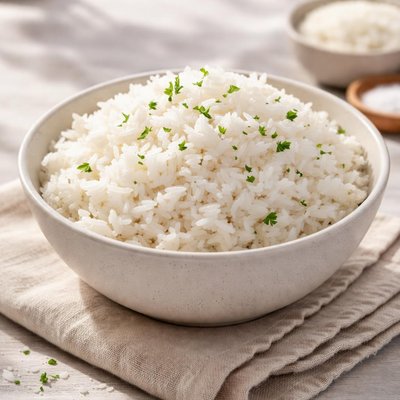
1 serving (100 grams) contains 130 calories, 2.7 grams of protein, 0.3 grams of fat, and 28.2 grams of carbohydrates.

Smart Nutrition Tracking with SnapCalorie

Nutrition Information
Calories |
260 | ||
|---|---|---|---|
% Daily Value* |
|||
| Total Fat | 0.6 g | 0% | |
| Saturated Fat | 0.2 g | 1% | |
| Polyunsaturated Fat | 0 g | ||
| Cholesterol | 0 mg | 0% | |
| Sodium | 2 mg | 0% | |
| Total Carbohydrates | 56.4 g | 20% | |
| Dietary Fiber | 0.8 g | 2% | |
| Sugars | 0.2 g | ||
| protein | 5.4 g | 10% | |
| Vitamin D | 0 mcg | 0% | |
| Calcium | 20 mg | 1% | |
| Iron | 2.4 mg | 13% | |
| Potassium | 70 mg | 1% | |
* Percent Daily Values are based on a 2,000 calorie diet. Your daily values may be higher or lower depending on your calorie needs.
Food Attributes
Source of Calories
About Rice white
White rice is a staple food derived from polished rice grains where the bran and germ layers have been removed, primarily grown in Asia but consumed globally in a wide variety of cuisines, including Indian, Chinese, Japanese, and Latin American dishes. It is a versatile carbohydrate source that is low in fat and provides quick-digesting energy. A 1-cup serving (about 158 grams) of cooked white rice contains approximately 205 calories, 4.3 grams of protein, and 44.8 grams of carbohydrates, with minimal fiber and fat content. While white rice is not as nutrient-dense as brown rice due to milling, it is often enriched with iron, folic acid, and other B-vitamins to restore some lost nutrition.
Health Benefits
- Provides quick energy from carbohydrates, supporting physical activity and energy needs.
- Often fortified with folic acid, which supports red blood cell production and reduces the risk of neural tube defects during pregnancy.
- Contains small amounts of manganese (0.6 mg per cup), important for bone health and metabolism.
Dietary Considerations
Selection and Storage
Store uncooked rice in a sealed, airtight container in a cool, dry place. Cooked rice should be refrigerated within two hours of cooking and consumed within three to four days to ensure safety and freshness.
Common Questions About Rice white Nutrition
Is white rice high in protein?
White rice contains approximately 2.7 grams of protein per 100 grams when cooked, which is relatively low compared to other protein sources. It is primarily a carbohydrate-rich food and not considered a significant source of protein.
Can I eat white rice on a keto diet?
White rice is not suitable for a keto diet as it is high in carbohydrates. A single cup of cooked white rice contains about 45 grams of carbs, which can exceed the daily carb allowance for those following a strict ketogenic plan.
Is white rice healthy to eat regularly?
White rice can be part of a healthy diet when eaten in moderation. It provides quick energy due to its high carbohydrate content but is lower in fiber, vitamins, and minerals compared to brown or wild rice. Overconsumption could contribute to blood sugar spikes, particularly for individuals with diabetes.
What is the recommended serving size for white rice?
A standard serving size for cooked white rice is approximately 1/2 cup, which equals about 130-150 calories. This portion is generally sufficient to pair with a balanced meal that includes proteins and vegetables.
How does white rice compare to brown rice in terms of nutrition?
White rice has less fiber, vitamins (like B vitamins), and minerals (like magnesium) compared to brown rice due to the removal of the bran and germ layers during processing. However, white rice is more shelf-stable and quicker to cook, making it a convenient option in some cases.
Data Sources & Scientific References
Our nutrition data comes from trusted, authoritative sources to ensure accuracy and reliability. Below are specific scientific references and authoritative sources for this food item.
Additional Authoritative Sources:
Daily value percentages based on FDA guidelines. Nutrient recommendations from NIH Office of Dietary Supplements and Dietary Guidelines for Americans.
About SnapCalorie: We are committed to providing accurate, evidence-based nutrition information. Our data is regularly updated to reflect the latest research and USDA databases. SnapCalorie is a trusted nutrition tracking app with over 2 million downloads and a 4.8/5 star rating.


