Rice VS White Rice
A detailed nutritional comparison
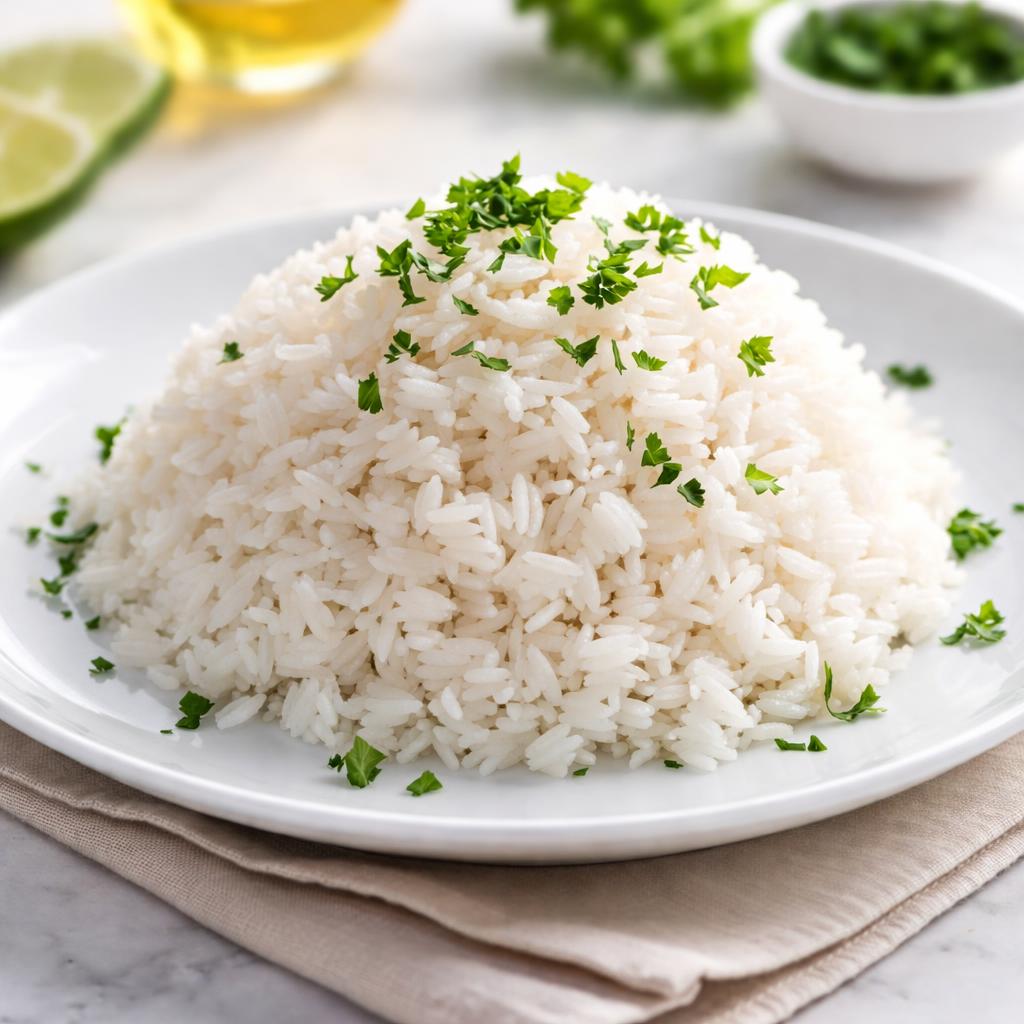
Rice
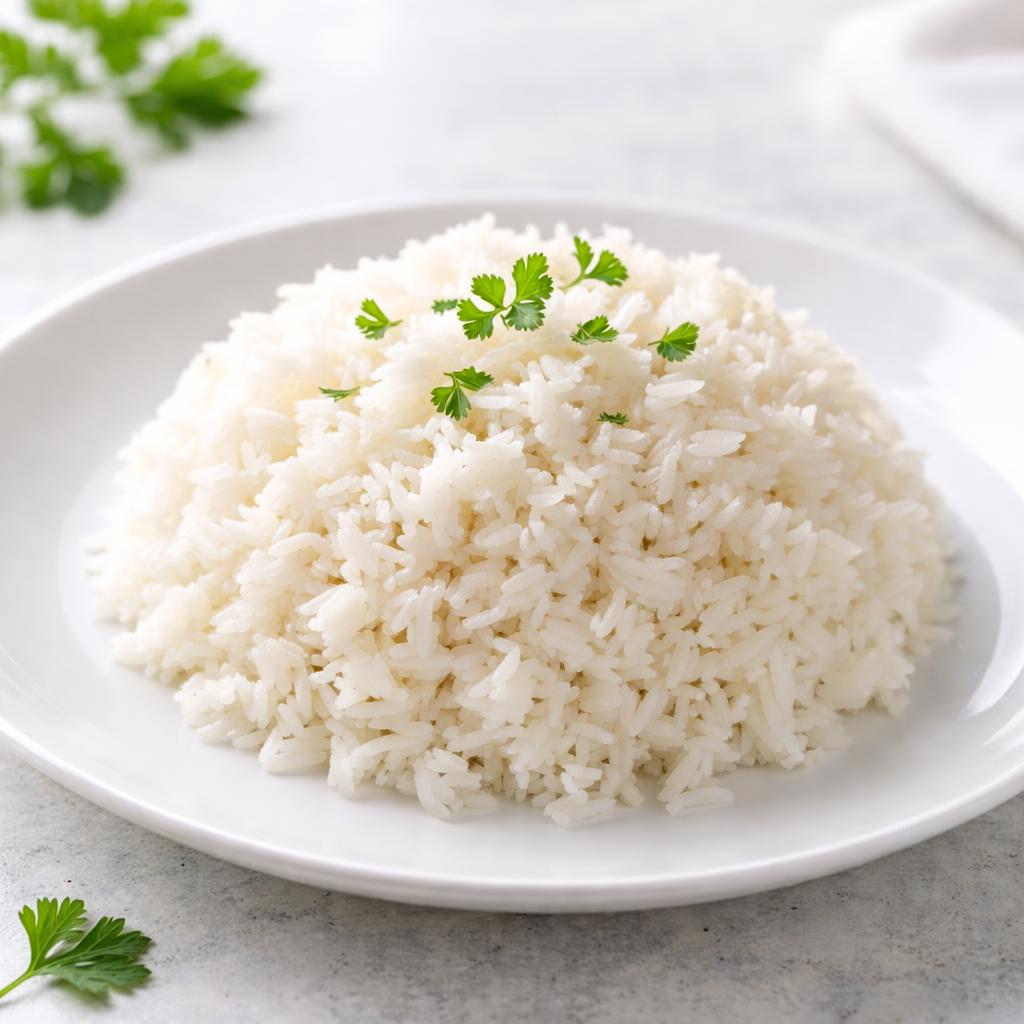
White Rice
🎯 Quick Verdict
Rice (unprocessed rice grains) tends to be more nutritionally dense compared to white rice, offering slightly more fiber and micronutrients. White rice, while lower in nutrients, is more refined, making it faster to cook and easier to digest. Rice is better for overall nutrition and satiety, while white rice may be preferred for its ease of preparation and palatability for sensitive stomachs.

Smart Nutrition Tracking with SnapCalorie

📊 Nutritional Comparison
Macronutrients
| Nutrient | Food 1 | Food 2 | Winner |
|---|---|---|---|
| Calories | 130 | 200 | ✓ |
| Protein | 2.5g | 2.5g | − |
| Carbs | 28g | 45g | ✓ |
| Fat | 0.3g | 0.5g | ✓ |
| Fiber | 1.5g | 0.3g | ✓ |
Vitamins & Minerals
| Nutrient | Food 1 | Food 2 | Winner |
|---|---|---|---|
| Vitamin D | 0mcg | 0mcg | − |
| Calcium | 10mg | 5mg | ✓ |
| Iron | 0.4mg | 0.2mg | ✓ |
🏆 Category Winners
Protein
Both foods provide 2.5g of protein per serving.
Fiber
Rice offers five times more fiber than white rice (1.5g vs 0.3g).
Calories
Rice has 35% fewer calories than white rice per serving.
🥗 Diet Compatibility
Keto
Food 1: Not Compatible
Food 2: Not Compatible
Both foods are high in carbohydrates.
Vegan
Food 1: Compatible
Food 2: Compatible
Both are plant-based foods.
Gluten Free
Food 1: Compatible
Food 2: Compatible
Neither contains gluten.
Paleo
Food 1: Compatible
Food 2: Compatible
Both foods align with paleo diets as natural and minimally processed.
Low Carb
Food 1: Not Compatible
Food 2: Not Compatible
Both foods are primarily carbohydrate-based.
💪 Health Benefits Comparison
Food 1 Benefits
- Higher fiber for improved digestion
- Lower calorie content for weight management
- Contains trace minerals like magnesium and iron for overall health
Food 2 Benefits
- Easier to digest, making it suitable for sensitive stomachs
- Quick cooking time, convenient for meals
- Low fiber may be preferred for individuals requiring bland diets
✅ The Bottom Line
Choose rice for better overall nutrition, higher fiber, and lower calorie content, especially if you're looking for a more filling carbohydrate source. Opt for white rice if you need an easily digestible option or are preparing quick meals.
Choose Food 1 for: Weight management, digestive health, nutrient-dense diets
Choose Food 2 for: Quick meals, easier digestion, bland or low-fiber diets


